

Solution Manual for Biology Laboratory Manual, 11th Edition
- Biology
- 595 pages
- Shared May 2025
Solution Manual for Biology Laboratory Manual, 11th Edition gives you the clarity you need to excel in your studies.
Preview 16 of 595 pages
See the first 16 pages exactly as they appear in the document.
Page 1 Read page 1 as text
INVESTIGATIONS IN BIOLOGY The best way to learn biology is to do biology. There are many ways to do this. For example, throughout this manual you’ll find directed labs that use traditional skills and activities (e.g., how to use a microscope) to immerse you in the process of biology. Similarly, thematic labs will involve you in discovering the themes of biology (e.g., evolution, ecology). These activities will help you experience the biology you have learned from lectures, your textbook, and this manual. We also want you to design your own experiments so that you can learn biology your way. These activities, which are part of every lab, are investigative labs . Some of these investigations are independent activities, whereas others are extensions of topics studied in directed labs and thematic labs. In investigative labs, you’ll apply the skills you’ve learned to answer your own questions about biology. In doing so, you’ll be challenged to create and develop your way of answering scientific questions. Investigations in biology often go far beyond simply following the steps of the scientific method. Indeed, investigation is a broad pursuit that includes observations, experiments, analysis of the work of others, reliable procedures, and repetition. It’s more of an approach to answering questions than it is a set of rigid procedures. Although investigation doesn’t have to be complicated, it does require creativity, planning, patience, and attention to detail. Investigations proceed along a variety of paths, depending on the investigator and the question being asked. But the steps we’ve described below can improve any investigation, including those suggested in this lab manual. Establish a clear question. Investigations begin with observations and questions. Simple, straightforward questions are usually the best. When you’ve decided on your question, write it down . You will be surprised how much easier it is to recall and refine a written question than it is to develop a vague idea rattling around in your head. Make sure your question is stated clearly. And here's a tip for asking productive questions: Learn as much as you can about what you’re proposing to do. The more background information you have, the better your questions will be, and the more likely your results will make sense. Not all questions require controlled experiments. For example, some investigations are descriptive rather than experimental. Decide whether your question is best answered with experiments in controlled systems or with observations in natural systems. You may investigate the impact of pollutants by administering them to controlled organisms, or you may choose to describe observations about a pollutant’s effects in a natural community. Both approaches can lead to interesting and important results. Design a reliable experiment. Outline what you are going to do, and write down the steps of your procedure in numerical order. The most reliable experiments are usually the simplest ones. Complicated procedures are often hard to repeat and are prone to error. Remember that a hallmark of good science is that it’s repeatable. To keep things simple and repeatable it’s best — whenever you can — to isolate a single variable and hold all other conditions constant. That way you can easily repeat your experiment and refine your ability to reliably measure the most important variable. Simple, reliable procedures also make it easier to establish appropriate controls. If all conditions surrounding your experiment except one variable are held constant, then it is relatively easy to design a good control. A good control is a replicate procedure with the variable of interest either held constant or absent. For example, if you want to detect the effects of a pollutant on plant growth, then yo u need a control with the same growth conditions as the pollutant treatments, but without the pollutant you are studying. Another good tip for
Page 2 Page 3 Read page 3 as text
designing successful investigations is to use readily available organisms and materials for procedures. Good science does not have to be complicated with expensive equipment or exotic organisms. There is no need to use a rat if a fruit fly will do. If the experiment you’re proposing requires materials other than the ones provided, ask your instructor if those materials are available. Also, get input from other people about your proposed work — investing time before you do the work can save much time later. Work objectively. Decide beforehand what result will validate your hypothesis and answer your question, and what result will invalidate your hypothesis. If possible, use tables and graphs to show your results. Write down not just your data, but also what your data mean. Try not to think about what your results should be . Instead, accept what they are . Some of the most interesting results are those that we didn’t predict, for unexpected results often lead to more questions. And that’s a good thing! Strengthen your conclusions. The best way to strengthen your conclusions is to repeat your work. Along with repetition, conclusions are stronger when they are supported by different kinds of evidence. For example, if you are investigating the effects of a nutrient on plant growth, then your conclusion is stronger if you investigated more than one species of plant. Similarly, conclusions based on highly controlled laboratory experiments are strengthened by corroborative data on plant growth in natural communities with various levels of that nutrient. Be prepared to revise your questions and experimental design. You’d be surprised how many initial experiments in an investigation “don’t work.” The results make no sense, or you can’t measure the variable you thought you were going to measure with the precision you expected. Or, the first experiment gives one result and the second experiment gives another. If this happens, do not be overly concerned — this is precisely how “real science” goes. Think about what might be the problem; perhaps it’s arising from some source of variation in one replicate that’s not in the other replicates. The cure for that problem is revision and repetition. It’s worth saying again … good science is reliable and repeatable. Figure out what your data mean. Discuss your data in light of your original question or hypothesis. Do your results support or falsify your hypothesis? Use your data to explain your reasoning. What is the significance of your work? That is, what can you conclude from your investigation? Are there other interpretations from results? How do your results compare with those of others? Based on what you’ve learned, can you now ask different or more probing questions to learn even more? Remember that correlation does not necessarily indicate cause and effect. If you had problems with your investigation, discuss how these problems might have been avoided. If you could repeat or revise your work, what would you do differently? Be prepared to report your work. Scientists often remark that “you haven’t done science until you have published your work.” Lab write - ups are the beginning of a publication.
Page 4 Read page 4 as text
INVESTIGATION WORKSHEET 1 Name ________________ How Temperature Affects the P roduction of CO 2 by Y east Observation: Fermentation of nutrients by yeast produces CO 2 , and the production - rate of this CO 2 can be used to measure growth of the yeast. In this lab you’ve already investigated how CO 2 production is affected by different nutrients (i.e., sugar, protein). Formulate and record a question regarding temperature how it influences CO 2 production by yeast. ____________________________________________________________________________________ ____________________________________________________________________________________ ____________________________________________________________________________________ Write a your null hypothesis for this experiment: ___________________________________________________________________________________ _ ____________________________________________________________________________________ Write an alternate hypothesis for this experiment: ___________________________________________________________________________________ _ ____________________________________________________________________________________ Identify the independent variable:________________________________________________________ Identify the dependent variable:__________________________________________________________ Describe your e xp erimental design and procedures. Identify your control and experimental groups. Remember to keep the single variable difference between your control and experimental groups, and specify how you will analyze your data. What safety procedure s should you be sure to incorporate in your methodology?____________________ ___________ _______________________________________________________________________________________________ ________________________________________________________________________________________________
Page 5 Read page 5 as text
Results: What would be an appropriate way to graphically represent your data?_________________________________________ Do your data support your null or alternate hypothesis? _____________________________________________________ Answer your question: ________________________________________________________________________________ __________________________________________________________________________________________________ What ideas do you have for experiments that will build on this experiment?_____________________________________ _________________________________________________________________________________________________ _________________________________________________________________________________________________ _________________________________________________________________________________________________ Comments: _______________________________________________________________________________________ _________________________________________________________________________________________________ _________________________________________________________________________________________________
Page 6 Read page 6 as text
INVESTIGATION WORKSHEET 2 Name ________________ Variation in the Areas and Shapes of L eaves Observation: Leaves, which are the primary photosynthetic organ of most plants, are adapted for absorbing light. This involves exposing large surface - areas to the environment. Formulate and record a question regarding surface area and the shape of leaves. ____________________________________________________________________________________ __________ ____________________________________________________________________________________ __________ ____________________________________________________________________________________ __________ Write a your null hypothesis for this experiment: ___________________________________________________________________________________ ___________ ___________________________________________________________________________________ ___________ Write an alternate hypothesis for this experiment: ___________________________________________________________________________________ ___________ ____________________________________________________________________________________ __________ Identify the independent variable:___________________________________________________________________ Identify the dependent variable:____________________________________________________________________ Describe your e xp erimental design and procedures. Remember to keep the single variable difference between your control and experimental groups, and specify how you will analyze your data. What safety procedures should you be sure to incorporate in your methodology?____________________ ___________ _______________________________________________________________________________________________ ________________________________________________________________________________________________
Page 7 Read page 7 as text
Results: Modify this table to record your data Leaf Number Species _________________________________________________________________________________________________ _________________________________________________________________________________________________ _________________________________________________________________________________________________ _________________________________________________________________________________________________ _________________________________________________________________________________________________ _________________________________________________________________________________________________ What would be an appropriate way to graphically represent your data?_________________________________________ Do your data support your null or alternate hypothesis? _____________________________________________________ Answer your question: _ _______________________________________________________________________________ __________________________________________________________________________________________________ Do you think your results would have been different if you had selected different leaves? What if you had chosen leaves grown outdoors instead of leaves grown indoors, or vice versa? _______________________________________________________________________________________ _________________________________________________________________________________________________ _________________________________________________________________________________________________ What ideas do you have for experiments that will build on this experiment?_ ____________________________________ _________________________________________________________________________________________________ _________________________________________________________________________________________________ _________________________________________________________________________________________________ Comments: ________________________________________________________________________________
Page 8 Read page 8 as text
INVESTIGATION WORKSHEET 3 Name ________________ The Shapes, Surface Areas, and Volumes of Red Blood Cells Red blood cells, which are the most common type of blood cell, are used by vertebrates to deliver oxygen to body tissues. Red blood cells are filled with hemoglobin, which gives them their characteristic color. Formulate and record a question regarding shape, surface area, and volume of RBCs. ____________________________________________________________________________________ ____________________________________________________________________________________ ____________________________________________________________________________________ Write a your null hypothesis for this experiment: ___________________________________________________________________________________ _ ____________________________________________________________________________________ Write an alternate hypothesis for this experiment: ___________________________________________________________________________________ _ ____________________________________________________________________________________ Identify the independent variable:________________________________________________________ Identify the dependent variable:__________________________________________________________ Describe your e xp erimental design and procedures. Identify your control and experimental groups. Remember to keep the single variable difference between your control and experimental groups, and specify how you will analyze your data. What safety procedures should you be sure to incorporate in your methodology?_ ______________________________ _______________________________________________________________________________________________ ________________________________________________________________________________________________
Page 9 Read page 9 as text
Results: What would be an appropriate way to graphically represent your data?_________________________________________ Do your data support your null or alternate hypothesis? _____________________________________________________ Answer your question: ________________________________________________________________________________ __________________________________________________________________________________________________ What ideas do you have for experiments that will build on this experiment?_____________________________________ _________________________________________________________________________________________________ _________________________________________________________________________________________________ _________________________________________________________________________________________________ Comments: _______________________________________________________________________________________ _________________________________________________________________________________________________ _________________________________________________________________________________________________
Page 10 Read page 10 as text
INVESTIGATION WORKSHEET 4 Name ________________ The Responses of Single - C el led Organisms to Environmental S timuli Observation: Single - celled protists such as Paramecium and Amoeba live in water and are sensitive to environmental stimuli. Formulate and record a question regarding the effect of temperature on the movement of protists. ____________________________________________________________________________________ ____________________________________________________________________________________ ____________________________________________________________________________________ Write a your null hypothesis for this experiment: ___________________________________________________________________________________ _ ____________________________________________________________________________________ Write an alternate hypothesis for this experiment: ___________________________________________________________________________________ _ ____________________________________________________________________________________ Identify the independent variable:________________________________________________________ Identify the dependent variable:__________________________________________________________ Describe your e xp erimental design and procedures. Identify your control and experimental groups. Remember to keep the single variable difference between your control and experimental groups, and specify how you will analyze your data. What safety procedures should you be sure to incorporate in your methodology?_______________________________ _______________________________________________________________________________________________ ________________________________________________________________________________________________
Page 11 Read page 11 as text
Results: What would be an appropriate way to graphically represent your data?_________________________________________ Do your data support your null or alternate hypothesis? _____________________________________________________ Answer your question: ________________________________________________________________________________ __________________________________________________________________________________________________ What ideas do you have for experiments that will build on this experiment?_____________________________________ _________________________________________________________________________________________________ _________________________________________________________________________________________________ _________________________________________________________________________________________________ Comments: _______________________________________________________________________________________ _________________________________________________________________________________________________ _________________________________________________________________________________________________
Page 12 Read page 12 as text
INVESTIGATION WORKSHEET 5 Name ________________ The P roperties of Phillips Milk of Magnesia , a Popular A ntacid. Observation: Phillips Milk of Magnesia is a milky - white liquid that is a popular over - the - counter laxative and antacid. Phillips Milk of Magnesia is often taken by people suffering from “acid indigestion.” Formulate and record a question about how efficient Phillips Milk of Magnesia is at neutralizing stomach acid. ____________________________________________________________________________________ ____________________________________________________________________________________ ____________________________________________________________________________________ Write a your null hypothesis for this experiment: ___________________________________________________________________________________ _ ____________________________________________________________________________________ Write an alternate hypothesis for this experiment: ___________________________________________________________________________________ _ ____________________________________________________________________________________ Identify the independent variable:________________________________________________________ Identify the dependent variable:__________________________________________________________ Describe your e xp erimental design and procedures. Identify your control and experimental groups. Remember to keep the single variable difference between your control and experimental groups, and specify how you will analyze your data. What safety procedures should you be sure to incorporate in your methodology?_ ______________________________ _______________________________________________________________________________________________ ________________________________________________________________________________________________
Page 13 Read page 13 as text
Results: What would be an appropriate way to graphically represent your data?_________________________________________ Do your data support your null or alternate hypothesis? _____________________________________________________ Answer your question: ________________________________________________________________________________ __________________________________________________________________________________________________ What ideas do you have for experiments that will build on this experiment?_____________________________________ _________________________________________________________________________________________________ _________________________________________________________________________________________________ _________________________________________________________________________________________________ Comments: _______________________________________________________________________________________ _________________________________________________________________________________________________ _________________________________________________________________________________________________
Page 14 Read page 14 as text
INVESTIGATION WORKSHEET 6 Name ________________ Variation in Starch Storage by Roots Versus L eaves Observations: Starch is the major storage product of photosynthesis in higher plants, and some plant organs more than others are specialized for storing starch. Iodine reacts with starch to produce a dark blue - black color. Formulate and record a question regarding the production of starch in the leaves versus the roots of a flowering plant. ____________________________________________________ _______________________ ____________________________________________________________________________________ _____ ____________________________________________________________________________________ _____ Write a your null hypothesis for this experiment: ___________________________________________________________________________________ ______ ____________________________________________________________________________________ _____ Write an alternate hypothesis for this experiment: ___________________________________________________________________________________ ______ _________________________________________________________ ________________________________ Identify the independent variable:______________________________________________________________ Identify the dependent variable:________________________________________________________________ Describe your e xp erimental design and procedures. Identify your control and experimental groups. Remember to keep the single variable difference between your control and experimental groups, and specify how you will analyze your data. What safety procedures should you be sure to incorporate in your methodology?_______________________________ _______________________________________________________________________________________________ ________________________________________________________________________________________________
Page 15 Read page 15 as text
Results: What would be an appropriate way to graphically represent your data?_________________________________________ Do your data support your null or alternate hypothesis? _____________________________________________________ Answer your question: ________________________________________________________________________________ __________________________________________________________________________________________________ What ideas do you have for experiments that will build on this experiment?_____________________________________ _________________________________________________________________________________________________ _________________________________________________________________________________________________ _________________________________________________________________________________________________ Comments: _______________________________________________________________________________________ _________________________________________________________________________________________________ _________________________________________________________________________________________________
Page 16 Read page 16 as text
INVESTIGATION WORKSHEET 7 Name ________________ The Importance of the Length of the Column in Column C hromatography Observation: Column chromatography is a common means of separating molecules according to their size and shape. The movement of molecules through a column is affected by several factors, including the column’s matrix and the column’s length. Formulate and record a question regarding how the length of the column affects the separation of molecues in column chromatograpghy . ____________________________________________________________________________________ ____________________________________________________________________________________ ____________________________________________________________________________________ Write a your null hypothesis for this experiment: ___________________________________________________________________________________ _ ____________________________________________________________________________________ Write an alternate hypothesis for this experiment: ___________________________________________________________________________________ _ ____________________________________________________________________________________ Identify the independent variable:________________________________________________________ Identify the dependent variable:__________________________________________________________ Describe your e xp erimental design and procedures. Identify your control and experimental groups. Remember to keep the single variable difference between your control and experimental groups, and specify how you will analyze your data. What safety procedures should you be sure to incorporate in your methodology?_______________________________ _______________________________________________________________________________________________ ________________________________________________________________________________________________
579 more pages in the full document
Unlock it once and it stays in your library, ready to chat with or turn into flashcards.
Unlock the full documentMore Biology study materials
See all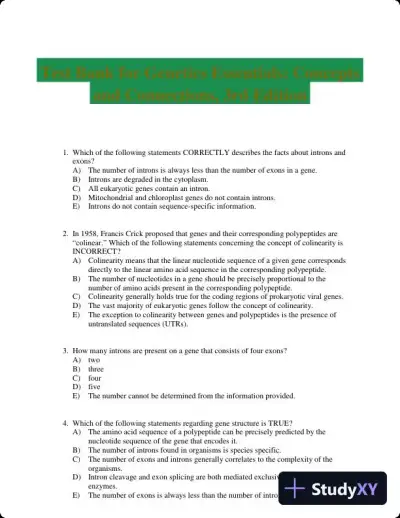 Exam Guides
Test Bank for Genetics Essentials: Concepts and Connections, 3rd Edition
Biology
561 pages147downloadsFeb 2025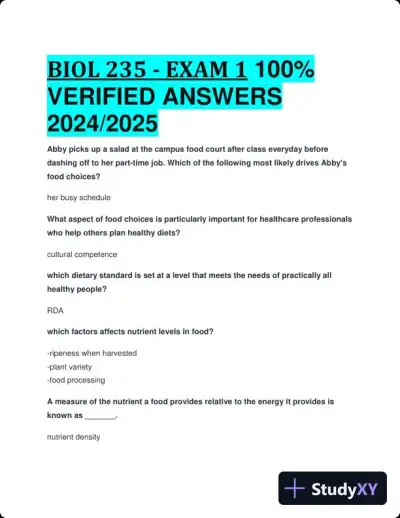 Past Exams
2024-2025 BIOL235 Nutrition Practice Exam with Answers (38 Solved Questions)
Biology
6 pages145downloadsFeb 2025 Exam Guides
Test Bank for Macroeconomics, 6th Edition
Biology
373 pages143downloadsFeb 2025 Exam Guides
Test Bank for Radiologic Science for Technologists: Physics, Biology, and Protection, 12th Edition (Chapters 1-40)
Biology
235 pages139downloadsFeb 2025 Past Exams
BIO1100 Anatomy and Physiology Openstax Test Bank with Answers (166 Solved Questions)
Biology
40 pages130downloadsFeb 2025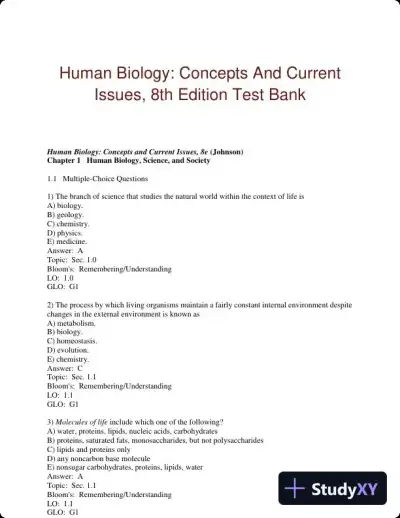 Exam Guides
Human Biology: Concepts And Current Issues, 8th Edition Test Bank
Biology
631 pages125downloadsFeb 2025 Textbook Guides
Solution Manual for Macroeconomics, 13th Edition
Biology
245 pages108downloadsFeb 2025 Textbook Guides
Solution Manual for Managerial Accounting, 6th Edition
Biology
929 pages100downloadsFeb 2025
Study this document with CramX
Once it is in your library, every tool can work from it.