We’re drowning in information—but starving for wisdom.
Every scroll, every click, every headline demands attention. But in a world flooded with data, hot takes, and AI-generated content, the real superpower is this:
Critical thinking.
Knowing what to question, how to analyze, and when to pause can help you rise above the noise and make clear, informed, and independent decisions—whether you're writing a paper, preparing for a debate, or just trying to understand the world.
Here’s your guide to developing critical thinking skills in a world that’s moving too fast to think clearly.
⚠️ The Problem: Too Much Info, Not Enough Insight
We’re exposed to more information in a day than people a century ago saw in a lifetime.
What this means:
📢 Opinions often shout louder than facts
📉 Nuance is replaced with viral oversimplification
🤖 Misinformation spreads faster (and more convincingly) than truth
🧠 Our cognitive load gets overwhelmed—and our brains take shortcuts
That’s why you need a system for thinking deeply and clearly—no matter what you're reading, watching, or writing.
🛠️ 5 Critical Thinking Habits Every Student Should Build
1. Ask “What’s the Source?”—Every Time
Before believing or sharing anything, ask:
Who wrote this?
What’s their motive?
Is it backed by evidence or emotion?
📌 If you don’t know where it came from, you don’t know if it’s true.
2. Zoom Out Before You Zoom In
Don't just react—contextualize.
Before you argue, pause and ask:
What’s the bigger picture?
What assumptions are being made?
Could multiple things be true at once?
🔍 Critical thinkers seek understanding, not just confirmation.
3. Use the SIFT Method
When evaluating online content, use:
S – Stop
I – Investigate the source
F – Find better coverage
T – Trace claims to their original context
This fast-checking framework helps you avoid getting played by flashy headlines and fake facts.
4. Balance Skepticism With Openness
Being a critical thinker doesn’t mean rejecting everything.
It means:
Staying open to new ideas
Being willing to change your mind with better evidence
Asking follow-up questions instead of making snap judgments
👊 Real intelligence = curiosity + humility.
5. Think in Questions, Not Just Answers
Great thinkers don’t just look for answers—they ask better questions.
Try these in your classes or research:
What’s being left out?
What’s another interpretation?
How would someone with the opposite view respond?
🧩 Every topic becomes more interesting—and more accurate—when you engage it from multiple angles.
💡 How to Train Your Critical Thinking Muscles Daily
Fact-check 1 post a day: Practice verifying claims online
Debate with respect: Join forums, clubs, or classroom discussions
Read opposing views: Follow credible thinkers you disagree with
Reflect before reacting: Journal your thoughts before responding emotionally
Use AI tools wisely: Let AI help explore perspectives—but always filter it through your brain
⚖️ Critical Thinking Is More Than Academics—It’s Survival
Whether you’re writing a research paper, navigating social issues, or preparing for your career, critical thinking helps you:
Make stronger arguments
Avoid being manipulated
See beyond bias
Solve complex problems
Think for yourself
And in today’s world, thinking for yourself is radical.
🔧 CramX Bonus: Tools That Help You Think Better
We’re building AI tools that support, not replace, your thinking:
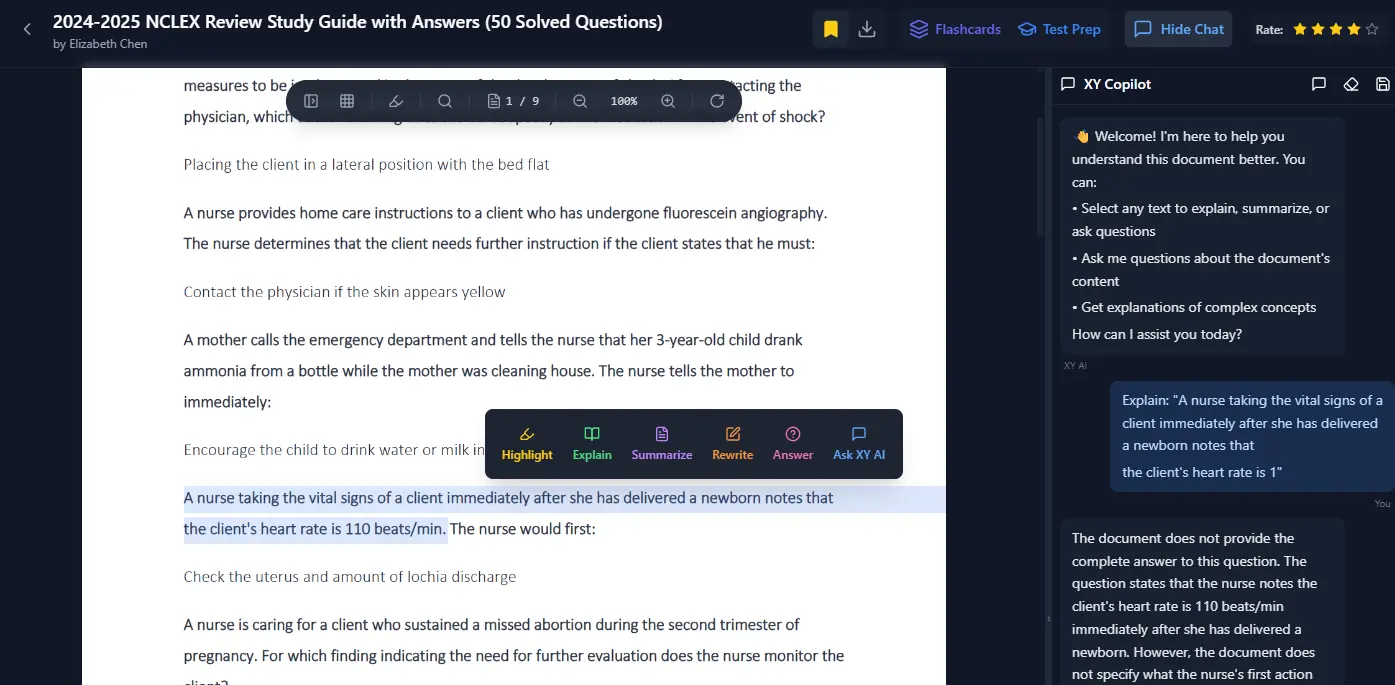
🧠 Summarize complex articles so you can analyze them faster
🧾 Show source quality and citation strength
🎯 Suggest counterarguments and perspectives for essays
✍️ Help you refine ideas, not just generate content
Smart students don’t just consume info—they challenge it.
That’s CramX’s core philosophy.