

Abrams' Clinical Drug Therapy: Rationales for Nursing Practice, 11th Edition Test Bank
- Nursing
- 416 pages
- Shared February 2025
- 74 downloads
Abrams' Clinical Drug Therapy: Rationales for Nursing Practice, 11th Edition Test Bank offers detailed practice questions to sharpen your exam readiness. Download now!
Preview 31 of 416 pages
See the first 31 pages exactly as they appear in the document.
Page 1 Read page 1 as text
1. Which cellular structure stores hormones and other substances and packages these substances into secretory granules? A) Golgi apparatus B) Endoplasmic reticulum C) Mitochondria D) Lysosome Ans: A Feedback: The golgi apparatus stores hormones and other substances. The endoplasmic reticulum contains ribosomes, which synthesize proteins, including enzymes that synthesize glycogen, triglycerides, and steroids and those that metabolize drugs and other chemicals. The mitochondria generate energy for cellular activities and require oxygen. Lysosomes are membrane-enclosed vesicles that contain enzymes capable of digesting nutrients (proteins, carbohydrates, fats), damaged cellular structures, foreign substances (bacteria), and the cell itself. 2. A patient is suffering from a cough associated with an upper respiratory infection. Which oral medication will likely produce the most therapeutic effect? A) A tablet B) An expectorant C) A topical spray D) A timed-release tablet Ans: B Feedback: Liquid medications are absorbed faster than tablets or capsules. Expectorants are liquid medications. A tablet is an oral medication that has a slower onset of action than a liquid medication. A topical spray can be sprayed to the back of the throat and provides only a local effect. A timed-release tablet is an oral medication that has a slower onset and longer duration of action. 3. A patient is administered an oral contraceptive. Which of the following is the process that occurs between the time the drug enters the body and the time that it enters the bloodstream? A) Absorption B) Distribution C) Metabolism D) Excretion Ans: A Feedback: Absorption is the process that occurs from the time the drug enters the body to the time it enters the bloodstream to be circulated. Distribution involves the transport of drug molecules within the body. Metabolism is the method by which drugs are inactivated or biotransformed by the body. Excretion refers to elimination of a drug from the body. Page 1
Page 2 Page 3 Read page 3 as text
4. Which of the following sites of drug absorption is considered to have an exceptionally large surface area for drug absorption? A) Rectum B) Fundus of the stomach C) Esophagus D) Lungs Ans: D Feedback: The lungs have a large surface area for absorption of anesthetic gases and a few other drugs. The rectum absorbs the medication through the mucous membranes and has a smaller surface area than the lungs. The fundus and esophagus have comparatively small surface areas. 5. A nurse is aware of the importance of adhering to the intended route of a medication. Which of the following drugs are formulated to be absorbed through the skin? A) Amoxicillin, tetracycline, and penicillin B) Clonidine, fentanyl, and nitroglycerin C) Digoxin, lidocaine, and propranolol D) Insulin, heparin, and morphine Ans: B Feedback: Some drugs are formulated in adhesive skin patches for absorption through the skin. Clonidine, fentanyl, and nitroglycerin are examples of drugs that are formulated in adhesive skin patch form to be absorbed through the skin. Amoxicillin, tetracycline, and penicillin are administered orally. Digoxin and propranolol are administered orally, and lidocaine can be administered intravenously, subcutaneously, or topically. Insulin and heparin are administered intravenously and subcutaneously. Morphine is administered orally, intramuscularly, and intravenously. 6. An 85-year-old patient has an elevated serum creatinine level, indicating impaired kidney function. When the patient is administered a medication, this patient is at risk for which of the following medication-related effects? A) Toxicity B) Increased absorption C) Delayed gastric emptying D) Idiosyncratic effects Ans: A Feedback: An elevated creatinine level is indicative of diminished kidney function, which will result in serum drug toxicity. The creatinine level indicates kidney function, does not affect absorption, and has no effect on gastric emptying. Page 2
Page 4 Read page 4 as text
7. Protein binding is an important aspect of pharmacokinetics. Protein binding ultimately has which of the following effects on drug action? A) Increases the drug's speed of action B) Decreases the drug's speed of action C) Increases the rate of excretion D) Averts adverse effects Ans: B Feedback: Protein binding allows part of a drug to be stored and released as needed. Drugs that are highly bound to plasma proteins or stored extensively in other tissues have a long duration of action. Protein binding does not increase the speed of action, increase the excretion rate, or avert adverse effects. Protein binding decreases the speed of action by storing the drug to be released when needed. 8. A patient is taking a medication that is metabolized by the CYP enzymes. Which of the following medications inhibits several of the CYP enzymes? A) Cisplatin B) Acebutolol hydrochloride C) Cimetidine D) Dicloxacillin sodium Ans: C Feedback: Cimetidine is a gastric acid suppressor that inhibits several CYP enzymes and can greatly decrease drug metabolism. The other listed drugs do not have this specific effect. 9. A nurse is aware that the dosing scheduling of a patient's new medication takes into account the serum half-life of the drug. What is the serum half-life of a medication? A) The time required for IV medications to penetrate the brain tissue B) The time needed for the serum level to fall by 50% C) The safest margin to prevent toxicity D) The dose adjustment that reduces the risk of adverse effects by one half Ans: B Feedback: Serum half-life is the time required for the serum concentration of a drug to decrease by 50%. Although many IV medications penetrate the brain tissue, this action does not describe the half-life. The safest margin to prevent toxicity depends on the rate of metabolism and excretion. The half-life of the medication does not relate directly to a specific reduction in adverse effects. 10. A patient has increased intracranial pressure and is ordered to receive a diuretic. Which of the following diuretics does not act on receptor sites to produce diuresis? A) Furosemide (Lasix) B) Hydrochlorothiazide (HCTZ) Page 3
Page 5 Read page 5 as text
C) Spironolactone (Aldactone) D) Mannitol (Osmitrol) Ans: D Feedback: Mannitol (Osmitrol) is an osmotic diuretic that increases the osmolarity of plasma and pulls water out of the tissues into the bloodstream. It does not act on receptor sites. Furosemide (Lasix) is a loop diuretic that inhibits the reabsorption of sodium and chloride in the loop of Henle. Hydrochlorothiazide is associated with drug interference with absorption of sodium ions across the distal renal tubule. Spironolactone acts by competing with aldosterone for cellular receptor sites. 11. A patient older than 65 years is more likely to experience drug reaction than a much younger patient. Which of the following factors accounts for this variation? A) Drugs more readily crossing the blood–brain barrier in older people B) Age-related physiologic changes C) Increased drug-metabolizing enzymes in older people D) Diminished immune response Ans: B Feedback: In older adults (65 years and older), physiologic changes may alter all pharmacokinetic processes. Although drugs crossing the blood–brain barrier affect drug reaction, this factor is important in all ages. Increased drug-metabolizing enzymes are key in all ages and do not relate to age variations. A diminished immune response is important in all ages and does not affect all medications. 12. A patient who is 6 feet tall and weighs 280 pounds will require which of the following doses? A) Higher dose than a patient who weighs 180 pounds B) Lower dose than a patient who weighs 180 pounds C) Same dose as a patient who weighs 180 pounds D) A parenteral rather than oral dose Ans: A Feedback: In general, people heavier than average may need larger doses, provided their renal, hepatic, and cardiovascular functions are adequate. 13. A nurse has provided an oral dose of morphine, an opioid agonist, to a woman in early labor. The nurse should be aware of what characteristic of agonists? A) Agonists alter the normal processes of distribution and metabolism. B) Agonists counteract the action of specific neurotransmitters. C) Agonists block the action of specific neurotransmitters. D) Agonists bind to receptors and cause a physiological effect. Ans: D Page 4
Page 6 Read page 6 as text
Feedback: Agonists are drugs that produce effects similar to those produced by naturally occurring hormones, neurotransmitters, and other substances by activating (not blocking or counteracting) a receptor. Classification of a drug as an agonist does not denote a change to metabolism or distribution. 14. A nurse is preparing to simultaneously administer two drugs to a patient. The nurse knows that the drugs have been ordered to be given together because of their synergistic effect. This means that A) the adverse effects of one of the drugs are nullified by the other drug. B) the combined effects are greater than the effects of either one of the drugs alone. C) one of the drugs enhances metabolism, while the other drug enhances either distribution or absorption. D) both drugs are toxic in isolation but therapeutic when administered together. Ans: B Feedback: Synergism occurs when two drugs with different sites or mechanisms of action produce greater effects when taken together. This does not mean that potential toxicity or adverse effects are “canceled out.” The two drugs would not individually affect different aspects of pharmacokinetics. 15. A patient has been brought to the emergency department by ambulance, and his friend states that he has overdosed on methadone, a long-acting opioid. The care team is preparing to administer the appropriate antidote, naloxone, which has a shorter half-life than methadone. What are the implications of this aspect of pharmacokinetics? A) Repeated doses of naloxone will likely be necessary. B) A different antidote will be required after the serum level of naloxone decreases. C) An increased dose of naloxone will be required. D) The antidote is unlikely to have a therapeutic effect on the patient's symptoms. Ans: A Feedback: When an antidote is used, its half-life relative to the toxin's half-life must be considered. For example, the half-life of naloxone, a narcotic antagonist, is relatively short compared with the half-life of the longer-acting opioids such as methadone, and repeated doses may be needed to prevent recurrence of the toxic state. 16. A patient tells the nurse, “I took my sleeping pill yesterday evening, but it didn't seem to work for me like it usually does.” The nurse should consider which of the following variables that can affect drug absorption? Select all that apply. A) GI function B) Blood flow to the site of administration C) The presence of other drugs D) Route of administration Page 5
Page 7 Read page 7 as text
E) The presence of receptor agonists Ans: A, B, C, D Feedback: Numerous factors affect the rate and extent of drug absorption, including dosage form, route of administration, blood flow to the site of administration, GI function, the presence of food or other drugs, and other variables. Agonist activity is a relevant variable, but this is not an aspect of absorption. 17. A nurse has administered a dose of a drug that is known to be highly protein bound. What are the implications of this characteristic? A) The patient must consume adequate protein in order to achieve a therapeutic effect. B) The molecules of the drug that are bound to protein are inactive. C) Increased levels of serum protein will increase the effect of the drug. D) Each molecule of the drug must bind to a protein molecule to become effective. Ans: B Feedback: Drug molecules bound to plasma proteins are pharmacologically inactive because the large size of the complex prevents their leaving the bloodstream through the small openings in capillary walls and reaching their sites of action, metabolism, and excretion. Only the free or unbound portion of a drug acts on body cells. The patient's protein intake or levels of protein are not normally relevant. 18. A patient requires a high dose of his new antihypertensive medication because the new medication has a significant first-pass effect. This means that the drug A) must pass through the patient's bloodstream several times to generate a therapeutic effect. B) passes through the renal tubules and is excreted in large amounts. C) is extensively metabolized in the patient's liver. D) is ineffective following the first dose and increasingly effective with each subsequent dose. Ans: C Feedback: Some drugs are extensively metabolized in the liver, with only part of a drug dose reaching the systemic circulation for distribution to sites of action. This is called the first-pass effect or presystemic metabolism. The first-pass effect is not related to renal function or the need to pass through the bloodstream multiple times. 19. A patient with a diagnosis of bipolar disorder has begun lithium therapy, and the nurse has explained the need for regular monitoring of the patient's serum drug levels. What is the primary rationale for the nurse's instruction? A) It is necessary to regularly test for blood–drug incompatibilities that may develop during treatment. B) It is necessary to ensure that the patient's drug levels are therapeutic but not toxic. C) It is needed to determine if additional medications will be needed to potentiate the effects Page 6
Page 8 Read page 8 as text
of lithium. D) It is needed in order to confirm the patient's adherence to the drug regimen. Ans: B Feedback: Measuring serum drug levels is useful when drugs with a narrow margin of safety are given, because their therapeutic doses are close to their toxic doses. This is the case during lithium therapy. Serum levels are not commonly taken to monitor adherence to treatment. Blood–drug incompatibilities are not a relevant consideration. 20. A patient in cardiovascular collapse requires pharmacological interventions involving a rapid drug action and response. What route of administration is most likely appropriate? A) Intravenous B) Oral C) Rectal D) Topical Ans: A Feedback: For rapid drug action and response, the IV route is most effective because the drug is injected directly into the bloodstream. Page 7
Page 9 Read page 9 as text
1. A pediatric nurse is well aware of the many physiological variables that influence safe pharmacotherapy in patients younger than 18. Which of the following principles should the nurse integrate into care? A) The physiology of patients older than 15 can be considered to be the same as an adult patient. B) The younger the patient, the greater the variation in medication action compared to an adult. C) The larger the patient's body mass index, the more his or her physiology varies from that of an adult. D) Pediatric patients have a greater potential to benefit from pharmacotherapy than adult patients. Ans: B Feedback: The younger the patient, the greater the variation in medication action when compared to an adult. This does not necessarily equate into a greater potential for benefit, however. BMI is not the main or sole basis of variations between adults and children. 2. An infant who is 3 weeks old was born at full gestation but was just brought to the emergency department with signs and symptoms of failure to thrive. This pediatric patient will be classified into what pediatric age group? A) Full-term baby B) Young infant C) Neonate D) Early postnatal Ans: C Feedback: Neonates are considered to be infants from full-term newborn 0 to 4 weeks of age. 3. A pediatric nurse practitioner is aware that there are many knowledge gaps that still exist in the evidence base that underlies pediatric pharmacology. Many of these knowledge gaps are rooted in A) a lack of scientific understanding of the anatomy and physiology of children and infants. B) the historical lack of pediatric participation in the drug testing process. C) the fact that research grants in pharmacology have traditionally specified adult participation. D) assumptions that there are no physiological differences between adults and children. Ans: B Feedback: Historically, researchers used only adults to test medications, and prescribers simply assumed that smaller doses would elicit the same results in smaller patients. The knowledge base surrounding anatomical and physiological differences between adults and children is substantial, and grant funding is not typically limited to adult participation. Page 1
Page 10 Read page 10 as text
4. A 3-year-old Asian American boy has had culture and sensitivity testing performed, and antibiotic treatment is indicated. The prescriber knows that the recommended antibiotic has not been extensively studied in pediatric patients. Consequently, the prescriber will be obliged to do which of the following? A) Administer subtherapeutic doses in order to mitigate the potential for adverse effects B) Choose a different antibiotic that has been extensively tested in children C) Apply vigilant clinical judgment when administering the antibiotic to the child D) Have the child's family sign informed consent forms absolving the care team from responsibility for adverse effects Ans: C Feedback: Prescribers must continue to treat pediatric patients with drugs for which they lack information; therefore, they must practice good assessment, dosing, and evaluation during the administration of any medication to a pediatric patient. Alternative drugs are not always an option, and a lack of data does not absolve the care team from responsibility for adverse outcomes. 5. A 9-year-old boy with severe influenza symptoms will be treated with ribavirin (Rebetol), an antiviral that is usually taken by adults twice daily in doses of 600 mg PO. After learning that the child's body surface area (BSA) is 1.10, the nurse will anticipate that the child will likely receive how much ribavirin for each dose? A) 110 mg B) 380 mg C) 545 mg D) 660 mg Ans: B Feedback: The prescriber calculates a dose based on a known adult dose by using the following equation: pediatric dose = BSA/1.73 × adult dose. Thus, 1.1 1.73 × 600 = 381.5 mg. This would likely be rounded to 380 mg. 6. Significant pharmacodynamic variations exist between adult patients and pediatric patients. Which of the following factors are known to contribute to differences in the ways that drugs affect target cells in children and infants? Select all that apply. A) Inability of children to accurately describe adverse effects B) Immaturity of children's organ systems C) Differences in the body composition of children D) The lack of active immunity in children E) Differences in the function of humoral immunity in children Ans: B, C Feedback: Immature organ systems and changing body compositions mean that drugs affect children differently. Causes of pharmacodynamic variability across the lifespan include Page 2
Page 11 Read page 11 as text
differences in body composition, immature systems, and genetic makeup. Total body water, fat stores, and protein amounts change throughout childhood and greatly influence the effectiveness of drugs in the pediatric population. Children are indeed less able to describe adverse effects, but this is not a pharmacodynamics variation. Differences in the function of the immune system are not noted to significantly influence pharmacodynamics. 7. A 2-year-old girl with a recent history of idiopathic nausea and vomiting was prescribed promethazine (Phenergan) by her primary care provider. The immaturity of this child's gastrointestinal system will primarily influence what aspect of pharmacokinetics? A) Absorption B) Distribution C) Metabolism D) Elimination Ans: A Feedback: Gastric emptying and intestinal motility greatly affect the child's drug absorption. The GI tract is less directly involved in distribution, metabolism, and elimination. 8. A neonate has been prescribed a water-soluble drug for the treatment of an acute infection. The nurse recognizes that the percentage of body water in an infant is significantly higher than that of an adult. What implication does this have for pharmacotherapy of an infant? A) The drug will need to be emulsified before administration. B) The infant's fluid intake will be reduced before and after administration. C) The infant will have a fat-soluble drug substituted. D) The infant may require an increased dose of the drug. Ans: D Feedback: In adults, total body water is approximately 60%, whereas in newborns, it is 80%. This difference means that water-soluble drugs are diluted easily and readily moved into intercellular tissue. As a result, serum drug concentrations are lower, and increased dosages of water-soluble drugs may be necessary to maintain therapeutic drug levels. Substitutes may not be available, and fluid restriction does not compensate for this physiological difference. 9. An infant with recent seizures is being treated in the neonatal intensive care unit with phenytoin (Dilantin). The infant's low plasma protein levels during the first year of life have what consequence? A) The infant may have an unpredictable drug response. B) The infant may have an increased risk of toxicity. C) The infant may experience impaired elimination of the drug. D) The infant will have an increased rate of drug metabolism. Page 3
Page 12 Read page 12 as text
Ans: B Feedback: In infants, immature liver function leads to very low plasma protein levels, which limit the amount of protein binding by drugs. Consequently, the serum concentrations of highly protein-bound drugs may be higher, and toxicity may occur. This is not a result of differences in elimination or increased metabolism. 10. Which of the following laboratory tests relates most directly with the impaired drug elimination that is expected in neonates? A) C-reactive protein level B) Creatine kinase C) Serum albumin level D) Glomerular filtration rate Ans: D Feedback: Excretion of most drugs occurs via the kidneys, and elimination in the urine follows. Young children have immature kidneys, a reduced glomerular filtration rate, and slower renal clearance. Neonates are especially prone to increased levels of drugs that are eliminated primarily by the kidneys. CK, albumin, and C-reactive protein levels do not directly relate to this physiological characteristic. 11. The nurse has experienced challenges in administering a 3-year-old boy's oral antibiotics due to the boy's resistance. How can the nurse best ensure that this patient receives his necessary medication? A) Convince the boy that the medication is actually a treat, especially reserved for him. B) Mix the medication with pleasantly flavored syrup or pureed fruit. C) Withdraw some of the child's privileges if he refuses to take his medication. D) Distract the child with a toy and then put it in his mouth quickly. Ans: B Feedback: To make oral medications more palatable, the nurse may mix them with flavored syrups or fruit purees. It would be inappropriate to use negative reinforcement, and medications should not be characterized as candy or treats. Sneaking the medication into the child's mouth will not ensure that it will be swallowed. 12. Oral acetaminophen has been ordered for a young child who has a fever. A liquid form has been obtained by the nurse to increase the chance of problem-free administration. Prior to administration, the nurse is going through the rights of medication administration. When confirming the right dose, what term is most appropriate? A) “160 mg” B) “One teaspoon” C) “One third of a tablespoon” D) “5 mL” Page 4
Page 13 Read page 13 as text
Ans: A Feedback: To ensure accuracy and safety, the nurse should administer medications based on individual dosages in milligrams, micrograms, or units, not on variables such as tablets, teaspoons, or milliliters, for which the concentration may vary. 13. A nurse is preparing to administer a nebulized bronchodilator to a young child with asthma. The nurse should be aware that this child's dosage is based primarily on what characteristic of the child? A) Weight B) Age C) Body type D) Development stage Ans: A Feedback: Dosages of pediatric medications are calculated based on weight. 14. An emergency department nurse is confirming that a child's ordered dose of IV analgesia is congruent with her body surface area (BSA). In order to calculate the child's BSA, the nurse must know which of the following variables? Select all that apply. A) The child's height B) The child's percentage of body water C) The child's weight D) The usual adult dose of the drug E) The child's age in months Ans: A, C Feedback: BSA is calculated using the child's weight and height. The child's age and the normal adult dose are normally relevant to dosing, but not to the calculation of BSA. 15. An infant's antiseizure medication has been ordered after careful consideration of the unique pharmacokinetics among this population. What characteristic of neonates has the greatest bearing on drug metabolism? A) The undeveloped state of the blood–brain barrier B) Increased gastric motility in infants C) The infant's undeveloped renal function D) Immaturity of the infant's liver Ans: D Feedback: The enzyme cytochrome P450 (CYP450) in the liver metabolizes most drugs. In neonates, the ability to metabolize drugs is very low because of the immaturity of the liver and the resultant inability to break down drugs. Characteristics of the kidneys, the blood–brain barrier, and GI function do not primarily affect metabolism. Page 5
Page 14 Read page 14 as text
16. An infant's mother is reluctant for the nurse to administer a suppository to her baby, stating, “It just seems so terribly invasive.” What principle should guide the nurse's use of suppositories in infant patients? A) Suppositories are generally avoided unless absolutely necessary, due to the risk of injuring the rectal mucosa. B) Suppositories can be an effective means of administering medications to infants, since oral administration is often challenging. C) Suppositories should only be administered after the nurse manually clears the infant's rectum. D) Suppositories are poorly absorbed in infants due to their immature gastrointestinal tract. Ans: B Feedback: Suppositories are an effective way of administering medications to infants. They do not require manual clearing of the rectum prior to administration. Suppositories are well absorbed. 17. A public health nurse is preparing to administer an intramuscular injection of a vaccine to an 8-year-old girl. The nurse recognizes that the child is uncharacteristically quiet and appears tense. The nurse should recognize the possibility of what nursing diagnosis? A) Fear related to IM injection B) Acute confusion related to misunderstanding of the necessity of IM injection C) Risk for injury related to IM injection D) Ineffective coping related to reluctance to receive IM injection Ans: A Feedback: IM injections are frightening for older children, and they need praise and encouragement. Fear is a far more likely cause of this child's behavior than confusion or ineffective coping. There is risk for injury associated with IM injections, but the nurse can mitigate this risk through proper technique. 18. A 4-year-old boy is postoperative day one following surgery for trauma suffered in a motor vehicle accident. The boy is in pain, and the nurse is preparing to administer a dose of hydromorphone syrup as ordered. To administer this drug, the nurse should use A) a teaspoon. B) a transparent, 2-ounce medication cup. C) a parenteral syringe with the needle removed. D) an oral syringe. Ans: D Feedback: The nurse should administer oral medications only in oral syringes. Other methods have the potential to be inaccurate. Page 6
Page 15 Read page 15 as text
Page 7
Page 16 Read page 16 as text
1. A pregnant woman is experiencing nausea and vomiting in her first trimester of pregnancy. Which herbal agent has traditionally been used as an antiemetic? A) Ginger B) Garlic C) Ginkgo biloba D) Green tea Ans: A Feedback: Ginger has been used to relieve nausea and vomiting during pregnancy. Garlic, Ginkgo biloba , and green tea are not recommended to relieve nausea and vomiting in pregnancy. 2. A pregnant woman asks why she needs to take a folic acid supplement. What is the nurse's best explanation for the administration of folic acid? A) “Folic acid prevents the development of contractions.” B) “Folic acid prevents neural tube birth defects.” C) “Folic acid builds strong fetal bones.” D) “Folic acid will decrease nausea and vomiting.” Ans: B Feedback: Folic acid prevents neural tube birth defects. Folic acid does not prevent contractions. Folic acid will not build fetal bones. Folic acid will not prevent nausea and vomiting. 3. A woman is being administered IV magnesium sulfate. What is a desired outcome related to the administration of magnesium sulfate? A) Increased contractions B) Respiratory rate above 18 C) Decreased blood pressure D) Increased uterine tone Ans: C Feedback: The administration of magnesium sulfate can prevent seizure activity and reduce severe hypertension. Magnesium sulfate is administered for preterm labor to prevent contractions and reduce uterine tone, not to increase respiratory rate. 4. A woman who began labor several hours ago is to be administered oxytocin. What is the goal of oxytocin therapy? A) Prevent postpartum bleeding B) Decrease fetal hyperactivity C) Augment weak or irregular contractions D) Diminish periods of relaxation Ans: C Feedback: Use of this manufactured hormone induces labor or augments weak, irregular uterine Page 1
Page 17 Read page 17 as text
contractions during labor. It is not used in the labor phase to prevent bleeding. It is not administered to decrease fetal hyperactivity. The administration of oxytocin should allow for adequate periods of relaxation between contractions. 5. A woman in labor is being treated with magnesium sulfate intravenously and is beginning to show signs and symptoms of hypermagnesemia. The infusion has been discontinued, and the nurse should anticipate administration of what drug? A) Metoprolol (Lopressor) B) Calcium gluconate C) Potassium chloride D) Furosemide (Lasix) Ans: B Feedback: Overdoses of magnesium sulfate may lead to hypotension, muscle paralysis, respiratory depression, and cardiac arrest. Calcium gluconate, the antidote for magnesium sulfate, should be readily available for use if hypermagnesemia occurs. 6. A patient is being administered magnesium sulfate for preterm labor. The patient's serum magnesium level is elevated at 11 mg/dL. With what sign or symptom will the patient likely present? A) Tachypnea B) Muscle rigidity C) Tachycardia D) Depressed deep tendon reflexes Ans: D Feedback: Hypermagnesemia will cause depressed deep tendon reflexes. The serum magnesium level of 11 mg/dL would result in depressed respirations. The serum magnesium level of 11 would result in decreased muscle strength. The serum level of 11 mg/dL would result in bradycardia, not tachycardia. 7. A woman in preterm labor has been administered terbutaline sulfate (Brethine). For what potential adverse effects should the nurse assess the patient? A) Pruritus (itching) and copious diaphoresis B) Joint pain and numbness in her extremities C) Headache and visual disturbances D) Palpitations and shortness of breath Ans: D Feedback: Terbutaline sulfate (Brethine) is a beta-adrenergic agent that inhibits uterine contractions by reducing intracellular calcium levels. Adverse effects may include hyperkalemia, hyperglycemia, cardiac dysrhythmias, hypotension, and pulmonary edema. Women commonly experience hand tremors, palpitations, and shortness of breath with chest Page 2
Page 18 Read page 18 as text
tightness. 8. When administering magnesium sulfate, for what should the nurse assess the patient? A) Dry, pale skin B) Respiratory depression C) Agitation D) Tachycardia Ans: B Feedback: Overdoses of magnesium sulfate may lead to hypotension, muscle paralysis, respiratory depression, and cardiac arrest. The nurse would not anticipate dry, pale skin; agitation; or tachycardia. 9. A pregnant woman states that she has been constipated since becoming pregnant. Which medication is most appropriate for preventing constipation related to pregnancy? A) Metamucil B) Mineral oil C) Saline cathartic D) Stimulant cathartic Ans: A Feedback: A bulk-producing agent, such as Metamucil, is most physiologic for the mother and safe for the fetus. Mineral oil is not recommended because of the lack of absorption of fat- soluble vitamins. Saline cathartics are not recommended because of hypernatremia. Stimulant cathartics are not recommended for the pregnant woman. 10. A woman who is 7 months pregnant is waking up at night with gastroesophageal reflux. Which of the following medications is most highly recommended? A) Terbutaline (Brethine) B) Diphenoxylate (Lomotil) C) Ranitidine (Zantac) D) Chlorothiazide (Diuril) Ans: C Feedback: A histamine 2 receptor antagonist, such as ranitidine, is used for gastroesophageal reflux disease. Terbutaline is a tocolytic agent. Diphenoxylate is not administered for GERD. Chlorothiazide is a diuretic agent. 11. A woman who takes highly active antiretroviral therapy (HAART) for HIV/AIDS has become pregnant. What effect will the woman's pregnancy have on her drug regimen? A) She must discontinue HAART due to the risk of teratogenic effects. B) Her dosages of HAART must be increased to reduce the risk of in utero transmission. Page 3
Page 19 Read page 19 as text
C) She can continue her HAART unchanged. D) Some components of her HAART must be replaced or discontinued. Ans: C Feedback: Antiretroviral drug therapy for the pregnant woman reduces perinatal transmission by about two thirds. In general, highly active antiretroviral therapy, or HAART, is safe, with recommended dosage the same as for nonpregnant women. 12. A woman is at 42 weeks of gestation. Which of the following medications will be administered to promote cervical ripening? A) Calcium gluconate B) Magnesium sulfate C) Terbutaline (Brethine) D) Dinoprostone (Cervidil) Ans: D Feedback: Cervidil is administered to ripen the cervix in a woman who is at 42 weeks of gestation. Calcium gluconate, magnesium sulfate, and terbutaline are not administered to ripen the cervix. 13. A patient is receiving oxytocin (Pitocin). Which of the following is a maternal adverse effect of Pitocin? A) Acute confusion B) Hypertension C) Edema D) Inverted T wave Ans: B Feedback: Hypertension is a maternal adverse effect of Pitocin. Confusion, edema, and inverted T wave are not adverse effects of Pitocin. 14. A woman was administered misoprostol (Cytotec) in an effort to induce labor, but the care team is unsatisfied with the results. Consequently, oxytocin will be used. Prior to administering oxytocin, what must occur? A) Four hours must elapse after the last dose of misoprostol. B) The woman must have a type and cross-match performed. C) The woman must receive a bolus of 500-mL normal saline. D) The woman must have her electrolytes measured. Ans: A Feedback: If the course of treatment changes and oxytocin is to be given after misoprostol, it is essential to wait 4 hours from the last administration of misoprostol before starting oxytocin. Blood work and IV hydration are not necessary. Page 4
Page 20 Read page 20 as text
15. A patient is being treated for preterm labor. Which beta-adrenergic medication is administered orally to decrease uterine contractions? A) Magnesium sulfate B) Oxytocin (Pitocin) C) Nifedipine (Procardia) D) Terbutaline (Brethine) Ans: D Feedback: Terbutaline is a beta-adrenergic agent that inhibits uterine contractions by reducing intracellular calcium levels; oral doses can be given as maintenance therapy. Magnesium sulfate is administered intravenously and not administered at home. Oxytocin induces labor. Nifedipine is a calcium channel blocker that decreases uterine contractions. 16. A couple have been trying unsuccessfully for nearly a year to become pregnant and have now sought fertility counseling. The nurse should be aware of what potential etiological factors related to infertility? Select all that apply. A) Absence of sperm B) Endometriosis C) Vaginitis D) Blocked fallopian tubes E) Fibromyalgia Ans: A, B, D Feedback: In women, the most common causes are ovulation disorders, blocked fallopian tubes, endometriosis, and advanced maternal age, which affects egg quality and quantity. In men, causes include absence of sperm, declining sperm counts, testicular abnormalities, and ejaculatory dysfunction. Vaginitis cannot cause infertility, and fibromyalgia is not noted as a common etiological factor. 17. A woman has been unable to conceive for many months and will soon begin treatment with clomiphene (Clomid). What health education should the nurse provide to this patient? A) Avoid drinking alcohol while taking Clomid. B) Perform daily OTC pregnancy tests beginning the day after taking Clomid. C) Take her basal temperature between 5 to 10 days after taking Clomid. D) Report any numbness or tingling in her hands or lips to her care provider. Ans: C Feedback: Ovulation occurs 5 to 10 days after the course of clomiphene treatment has been completed. Prior to beginning the drug regimen, the nurse instructs the woman about taking her basal temperature 5 to 10 days following administration. An incremental rise in temperature is an indication of ovulation. There is no specific contraindication against Page 5
Page 21 Read page 21 as text
alcohol, and neurological adverse effects are not expected. 18. A nurse is performing health education with a woman who has just learned that she is pregnant. The nurse has explained the concept of teratogenic drugs and emphasized the need to have her care provider assess any medications she should consider taking. The nurse should teach the woman that drug-induced teratogenicity is most likely to occur at what point in her pregnancy? A) During the second half of her third trimester B) In the 7 to 10 days after conception C) In the first trimester during organogenesis D) During 30 to 34 weeks of gestation Ans: C Feedback: Drug-induced teratogenicity is most likely to occur when drugs are taken during the first three months of pregnancy, during organogenesis. 19. A primiparous woman was vigilant in avoiding medications and herbs during her pregnancy and states that she is similarly committed to protecting her baby's health now that she is breast-feeding. What principle should guide the woman's use of medications while breast-feeding? A) Very few medications are explicitly contraindicated while breast-feeding. B) It is generally safer to use herbs rather than medications while breast-feeding. C) Most women can resume their prepregnancy medication regimen after delivery. D) Most medications are contraindicated while a woman is breast-feeding. Ans: D Feedback: A wide variety of medications are contraindicated during pregnancy, and herbs are not guaranteed to be safe. 20. A woman who is in the first trimester of her pregnancy has told the nurse, “I've stopped taking my blood pressure pill because I know it could harm the baby. Instead, I've started taking natural and herbal remedies.” What nursing diagnosis is suggested by the woman's statement? A) Deficient knowledge related to drug and herbal effects during pregnancy B) Health-seeking behaviors related to protection of fetal health C) Acute confusion related to the potential teratogenic effects of herbs D) Effective therapeutic regimen management related to use of herbs rather than drugs Ans: A Feedback: This patient is evidently unaware of the fact that herbs pose risks to her fetus and that such risks are not limited to drugs. The nurse should address this knowledge gap. Acute confusion suggests a deficit in cognitive processes, not a lack of relevant and accurate information. Page 6
Page 22 Read page 22 as text
Page 7
Page 23 Read page 23 as text
1. A patient is administered penicillin V orally for a strep throat. What is the mechanism of action of this medication? A) It inhibits protein synthesis. B) It lowers the pH of cellular contents. C) It causes mutations. D) It inhibits cell wall synthesis. Ans: D Feedback: Beta-lactam antibacterial drugs inhibit synthesis of bacterial cell walls by binding to proteins in bacterial cell membranes. Penicillin V does not inhibit protein synthesis, cause mutations, or lower the pH of a bacterium's cellular contents. 2. A patient previously experienced an anaphylactic reaction to penicillin G. Which of the following medications should not be administered to this patient due to the potential for cross-sensitivity? A) Lactulose (Chronulac) B) Ketoconazole (Nizoral) C) Kanamycin (Kantrex) D) Cefadroxil (Duricef) Ans: D Feedback: Cefadroxil (Duricef) is a cephalosporin. Administration of cephalosporins or carbapenems should be avoided if possible in people with life-threatening allergic reactions to penicillin. Lactulose reduces blood ammonia by resident intestinal bacteria. It is not contraindicated in the event of penicillin anaphylaxis. Ketoconazole is an antifungal and does not possess cross-sensitivity to penicillin. Kanamycin is an aminoglycoside and does not possess cross-sensitivity to penicillin. 3. An adult patient has a history of rheumatic fever. Which of the following medications should be administered as prophylaxis for rheumatic fever? A) Cyclacillin (Cyclapen) B) Amoxicillin (Augmentin) C) Dicloxacillin D) Penicillin G benzathine (Bicillin LA) Ans: D Feedback: Penicillin G benzathine (Bicillin LA) is administered as prophylaxis for rheumatic fever. Cyclacillin, amoxicillin, and dicloxacillin are not routinely administered for prophylaxis of rheumatic fever. 4. A patient has been prescribed an oral penicillin for an infection caused by gram-negative bacilli. When conducting health education for this patient, the nurse should emphasize which of the following? Page 1
Page 24 Read page 24 as text
A) The need to take the medication on an empty stomach B) The fact that a mild rash frequently follows the first few doses C) The need to increase fluid intake for the duration of treatment D) The fact that the drug should be discontinued once symptoms subside Ans: A Feedback: Most penicillins should be best taken on an empty stomach. Increased fluid intake is not normally necessary. A rash is an unexpected finding that should be reported promptly. The patient should take the full course of antibiotics. 5. Unasyn is being administered to a patient with an infection caused by Staphylococcus aureus . What type of anti-infective is Unasyn? A) Extended-spectrum antipseudomonal penicillin B) Penicillin–beta-lactamase inhibitor combination C) Cephalosporin D) Aminopenicillin Ans: B Feedback: Unasyn is a penicillin–beta-lactamase inhibitor combination. It is ampicillin and sulbactam. Unasyn is not classified as an extended-spectrum antipseudomonal penicillin, cephalosporin, or aminopenicillin. 6. A patient is administered Augmentin (amoxicillin and clavulanate potassium) to treat otitis media. How does a beta-lactamase inhibitor agent achieve a therapeutic effect? A) It extends the spectrum of antibacterial activity of penicillin. B) It extends the spectrum of the beta-lactamase inhibitor. C) It decreases the side effects of high-dose penicillin. D) It increases the absorption of the penicillin. Ans: A Feedback: When combined with a penicillin, the beta-lactamase inhibitor protects the penicillin from destruction by the enzymes and extends the penicillin's spectrum of antimicrobial activity. Augmentin does not extend the spectrum of beta-lactamase inhibitor. Augmentin does not decrease the side effects of high-dose penicillin. Augmentin does not increase the absorption of penicillin. 7. A patient is administered a third-generation cephalosporin. Which of the following microorganisms are cephalosporins most effective in treating? A) Gram-positive B) Gram-negative C) Fungi D) Virus Ans: B Page 2
Page 25 Read page 25 as text
Feedback: Cephalosporins are broad-spectrum agents with activity against both gram-positive and gram-negative bacteria. Compared with penicillins, they are, in general, less active against gram-positive organisms but more active against gram-negative ones. Cephalosporins are not effective against fungi or viruses. 8. A patient is diagnosed with infective endocarditis. Which of the following medications is most effective in treating this patient? A) Dicloxacillin B) Ampicillin C) Nafcillin D) Oxacillin Ans: B Feedback: Health care providers use ampicillin in the treatment or prophylaxis of infective endocarditis. Dicloxacillin, nafcillin, and oxacillin are typically used to treat methicillin- resistant Staphylococcus aureus . 9. A patient with septicemia is administered cefotaxime sodium (Claforan), a second- generation cephalosporin. How is this medication excreted? A) It is excreted by the lungs. B) It is excreted by the liver. C) It is excreted by the kidneys. D) It is excreted through the GI tract. Ans: C Feedback: Cefotaxime sodium, like all cephalosporins, is excreted by the kidneys. Cefotaxime is not excreted by the lungs, liver, or GI tract. 10. A patient is scheduled for a vaginal hysterectomy. Which of the following medications is the drug of choice for surgical prophylaxis? A) Cefadroxil (Duricef) B) Cefazolin sodium (Ancef) C) Cephalexin (Keflex) D) Cephradine (Velosef) Ans: B Feedback: Cefazolin sodium (Ancef) is the drug of choice for surgical prophylaxis in most surgical procedures. Cefadroxil, cephalexin, and cephradine are all first-generation cephalosporins, but they are not utilized as the drug of choice for surgical prophylaxis. 11. A patient is diagnosed with B. fragilis , an anaerobic organism resistant to most drugs. Page 3
Page 26 Read page 26 as text
What is the drug of choice to treat this microorganism? A) Cefaclor (Ceclor) B) Cefamandole nafate (Mandol) C) Cefoxitin (Mefoxin) D) Cefuroxime sodium (Zinacef) Ans: C Feedback: Cefoxitin (Mefoxin) is active against B. fragilis , an anaerobic organism resistant to most drugs. Cefaclor, cefamandole nafate, and cefuroxime sodium are all second-generation cephalosporins but not the drug of choice for B. fragilis . 12. A patient is to receive imipenem–cilastatin (Primaxin) IM to treat P. aeruginosa . What should imipenem–cilastatin be mixed with prior to administering intramuscularly? A) Meropenem (Merrem) B) Gentamicin (Garamycin) C) Lidocaine D) Epinephrine Ans: C Feedback: When preparing imipenem–cilastatin for IM injection, lidocaine is added to decrease pain. Meropenem, gentamicin, and epinephrine are not added to imipenem–cilastatin. 13. A patient is administered imipenem–cilastatin for the treatment of an E. coli infection. The nurse should be aware that cilastatin is combined with the imipenem for what purpose? A) To eliminate adverse effects of imipenem administration B) To inhibit the destruction of imipenem C) To potentiate the therapeutic effects of imipenem D) To allow imipenem to cross the blood–brain barrier Ans: B Feedback: Cilastatin inhibits the destruction of imipenem, increasing the urinary concentration of imipenem and reducing its potential renal toxicity. It does not allow the drug to cross the blood–brain barrier, and cilastatin does not eliminate all adverse effects. 14. A patient is administered aztreonam (Azactam). What is the major advantage of this monobactam over the aminoglycosides in treating P. aeruginosa ? A) It is a lower-cost medication. B) It is administered orally. C) It causes less GI distress. D) It has lower risk for hearing loss. Ans: D Feedback: Page 4
Page 27 Read page 27 as text
Aztreonam is effective against gram-negative bacteria similar to aminoglycosides, but the drug does not cause kidney damage or hearing loss. Aztreonam is not a lower-cost medication. Aztreonam is not administered orally. Aztreonam does not cause less GI upset. 15. A 71-year-old man with a history of osteoarthritis is scheduled for hip replacement surgery, and the surgeon has ordered a first-generation cephalosporin to be administered before and after surgery as prophylaxis. Which of the following drugs is a first- generation cephalosporin? A) Cefotetan (Cefotan) B) Cefoxitin (Mefoxin) C) Ceftriaxone (Rocephin) D) Cefazolin (Ancef) Ans: D Feedback: Cefazolin (Ancef) is a first-generation cephalosporin. Cefotetan (Cefotan) and cefoxitin (Mefoxin) belong to the second generation, and ceftriaxone (Rocephin) is a third- generation cephalosporin. 16. Oral ampicillin has been ordered for a female patient whose urinary tract infection will be treated in a home setting. When teaching this patient about her antibiotic, the nurse should instruct the patient to do which of the following? A) Take the first dose together with diphenhydramine to reduce the chance of an allergic reaction. B) Take the drug immediately before a meal, unless the meal will contain large amounts of fat. C) Drink a full glass of water when taking a dose of the drug. D) Taper off the drug rather than abruptly stopping it. Ans: C Feedback: Patients taking penicillins should take oral doses with a full glass of water. The drugs should otherwise be taken on an empty stomach. Tapering is unnecessary, and it is not advised to take the drug with diphenhydramine in an effort to reduce the allergy risk. 17. An older adult patient has just been diagnosed with community-acquired pneumonia and aztreonam (Azactam) has been ordered. What action should the nurse perform before administering the first dose? A) Administer a 500 mL bolus of normal saline. B) Confirm the patient's allergy status. C) Swab the patient's nares for the presence of MRSA. D) Teach the patient to expect discolored urine during treatment. Ans: B Feedback: Page 5
Page 28 Read page 28 as text
As with all antibiotics, it is important to assess the patient's allergy status prior to drug administration. This is especially important before the initial dose. An IV bolus is unnecessary, and discoloration of urine is not expected. MRSA testing is not relevant to aztreonam administration. 18. An intensive care unit (ICU) nurse is preparing to administer an intravenous dose of imipenem–cilastatin to a patient who is being treated for sepsis. What aspect of this patient's history would contraindicate the use of this drug? A) The patient has a history of type 1 diabetes mellitus. B) The patient is showing signs and symptoms of fluid volume excess. C) The patient's most recent creatinine level was 140 mol/L (high). D) The patient has a documented allergy to penicillin. Ans: D Feedback: It is important to avoid administering imipenem–cilastatin and the other carbapenems to people with life-threatening allergic reactions to penicillin. Diabetes, slightly increased creatinine levels, and fluid overload do not necessarily contraindicate the use of imipenem–cilastatin. 19. A nurse has established intravenous access in a patient whose infection necessitates treatment with IV cefazolin. What potential adverse reaction is most likely during this patient's course of treat? A) Gastrointestinal upset B) Dry skin and pruritus C) Drowsiness D) Orthostatic hypotension Ans: A Feedback: Adverse effects to cefazolin and the other cephalosporins are similar to those of most other antibiotics: abdominal pain, diarrhea, gastritis, nausea, and vomiting. Integumentary, neurological, and blood pressure changes are atypical. 20. A 69-year-old female responded well to inpatient treatment with a third-generation cephalosporin. After being largely symptom free for 48 hours, the woman has developed a fever of 38.6°C and an elevated white cell count. What phenomenon may account for this patient's current clinical presentation? A) The patient may be infected with microorganisms that were resistant to the cephalosporin. B) The patient may be experiencing a delayed (type IV) hypersensitivity reaction to the cephalosporin. C) The patient may be developing glomerulonephritis secondary to the nephrotoxic cephalosporin. D) The cephalosporin may have initially caused leukopenia and made the patient susceptible Page 6
Page 29 Read page 29 as text
to secondary infection. Ans: A Feedback: Patients treated with cephalosporins may be vulnerable to superinfections (infection after a previous infection, typically caused by microorganisms that are resistant to the antibiotics used earlier). Delayed hypersensitivity and renal involvement are highly unlikely. Antibiotics do not cause leukopenia. Page 7
Page 30 Read page 30 as text
1. A patient is admitted to the emergency room with a diagnosis of Legionnaires' disease and is placed on isolation. Which of the following medications is the drug of choice for Legionnaires' disease? A) Erythromycin (Ery-Tab) B) Loxapine hydrochloride (Loxitane) C) Meclizine (Antivert) D) Pravastatin (Pravachol) Ans: A Feedback: Erythromycin is the prototype macrolide used to treat Legionnaires' disease. Loxapine hydrochloride is an antipsychotic agent. Meclizine (Antivert) is used to treat nausea and dizziness. Pravastatin is used to treat hypercholesterolemia. 2. The nurse is administering telithromycin (Ketek) to a child with Streptococcus pneumoniae infection. What nursing intervention is implemented when administering this medication? A) Administer the medication with or without food. B) Administer the medication with grapefruit juice. C) Increase the dose in the event of QT elongation. D) Administer the medication with lovastatin. Ans: A Feedback: When administering telithromycin, food does not affect the absorption of the medication. The administration of the medication with grapefruit juice may increase the plasma concentration and cause adverse effects. Telithromycin can cause an elongation of the QT interval; thus, the dose should not be increased. The administration of telithromycin and lovastatin can cause an increase in the QT interval. 3. A patient is allergic to penicillin and has been diagnosed with a genitourinary infection caused by Chlamydia trachomatis . Which of the following medications will most likely be administered? A) Acamprosate calcium (Campral) B) Atazanavir (Reyataz) C) Erythromycin (Ery-Tab) D) Flumazenil (Mazicon) Ans: C Feedback: A patient who is diagnosed with a genitourinary infection that is caused by trachomatis and who is allergic to penicillin should be administered erythromycin (Ery-Tab). Acamprosate calcium is administered as a substance abuse deterrent, not in place of penicillin. Atazanavir (Reyataz) is an antiviral agent that is used to treat HIV infection, not Chlamydia trachomatis . Flumazenil is a benzodiazepine antagonist and not used for Chlamydia trachomatis . Page 1
Page 31 Read page 31 as text
4. A patient is diagnosed with peptic ulcer disease. He has been prescribed clarithromycin (Biaxin). Which of the following organisms is this medication used to treat? A) Streptococcus pneumoniae B) Haemophilus influenzae C) Mycobacterium avium complex D) Helicobacter pylori Ans: D Feedback: Clarithromycin is approved to treat H. pylori infections associated with peptic ulcer disease. Clarithromycin is also approved to treat Streptococcus pneumoniae , Haemophilus influenza , and Mycobacterium avium complex, but these organisms do not cause peptic ulcer disease. 5. A patient is administered telithromycin (Ketek) to treat a community-acquired pneumonia. A change in what blood level may necessitate a reduction in the dosage? A) Creatinine B) AST and ALT C) CPK D) Differential Ans: A Feedback: For patients who have renal impairment, together with hepatic impairment, it is essential to reduce the dosage to 400 mg once daily. Alterations in CPK, white cell differential, and liver enzymes may not require a change in the dosage. 6. A patient has been prescribed chloramphenicol (Chloromycetin) for vancomycin- resistant enterococci. How is this medication eliminated from the body? A) Through the liver B) Exhaled through the lungs C) Excreted in the urine D) Excreted in the bile Ans: C Feedback: Chloramphenicol is metabolized in the liver and excreted in the urine. It is not eliminated in the liver, exhaled through the lungs, or excreted in the bile. 7. Which of the following miscellaneous antibacterial drugs is administered topically in the treatment of acne? A) Chloramphenicol (Chloromycetin) B) Clindamycin (Cleocin) C) Daptomycin (Cubicin) D) Tigecycline (Tygacil) Page 2
385 more pages in the full document
Unlock it once and it stays in your library, ready to chat with or turn into flashcards.
Unlock the full documentMore Nursing study materials
See all Exam Guides
Test Bank for Critical Care Nursing: Diagnosis and Management, 9th Edition (Chapters 1-27)
Nursing
299 pages167downloadsFeb 2025 Class Notes
An Invitation To Health, Third Canadian Edition Lecture Notes
Nursing
439 pages163downloadsFeb 2025 Exam Guides
Test Bank for Physical Examination and Health Assessment, 9th Edition (Chapters 1-15)
Nursing
200 pages161downloadsFeb 2025 Exam Guides
Focus on Nursing Pharmacology Seventh, North American Edition Test Bank
Nursing
1144 pages160downloadsFeb 2025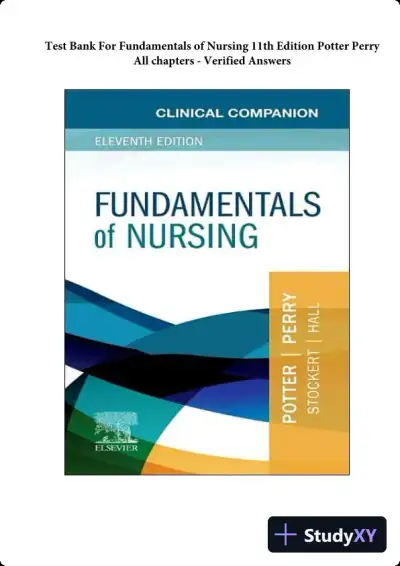 Exam Guides
Test Bank for Fundamentals of Nursing, 11th edition (Chapters 1-24)
Nursing
200 pages160downloadsFeb 2025 Class Notes
Class Notes for Clinical Nursing Skills: Basic to Advanced Skills, 9th Edition
Nursing
150 pages154downloadsFeb 2025 Class Notes
Class Notes for Child Health Nursing, 3rd Edition
Nursing
861 pages154downloadsFeb 2025 Class Notes
Class Notes for Principles of Pediatric Nursing Caring for Children, 6th Edition
Nursing
191 pages152downloadsFeb 2025
Study this document with CramX
Once it is in your library, every tool can work from it.