

The Role of Psychiatric Nurses in Managing Pos1
- Nursing
- 4 pages
- Shared June 2025
A mental health resource site focused on PTSD care, highlighting the vital role of psychiatric nurses in assessment, treatment, and support through multidisciplinary approaches and compassionate patient care.
Preview 2 of 4 pages
See the first 2 pages exactly as they appear in the document.
Page 1 Read page 1 as text
The Role of Psychiatric Nurses in Managing Post-Traumatic Stress Disorder (PTSD) Post-Traumatic Stress Disorder (PTSD) is a mental health condition triggered by exposure to a traumatic event, such as a natural disaster, military combat, physical or sexual assault, or any other experience that causes significant emotional distress. Individuals with PTSD may experience a range of symptoms, including intrusive memories, flashbacks, nightmares, hypervigilance, and emotional numbness, all of which can severely impair their daily functioning and quality of life. Managing PTSD requires a comprehensive and multidisciplinary approach, including therapy, medication, and ongoing support. Psychiatric nurses play a crucial role in the assessment, treatment, and management of PTSD, providing both clinical care and emotional support. This essay will explore the role of psychiatric nurses in managing PTSD, the interventions they use, and the challenges they face in providing care. Understanding Post-Traumatic Stress Disorder (PTSD) PTSD is a mental health disorder that develops after an individual experiences or witnesses a life-threatening or traumatic event. The symptoms of PTSD can be classified into four categories: 1. Intrusive Thoughts : These include flashbacks, nightmares, and unwanted memories of the traumatic event. Individuals with PTSD may feel as though they are reliving the trauma, often leading to intense distress. 2. Avoidance : People with PTSD may avoid reminders of the traumatic event, including people, places, or activities that trigger memories. They may also avoid discussing the event or expressing emotions related to the trauma. 3. Negative Mood and Cognitions : Individuals with PTSD may experience negative emotions, such as guilt, shame, anger, or fear. They may also have distorted thoughts about themselves or others, feeling isolated or disconnected. 4. Hyperarousal : This includes symptoms such as irritability, difficulty sleeping, difficulty concentrating, and heightened startle responses. Individuals may also feel constantly "on edge," leading to anxiety and difficulty relaxing. The onset of PTSD can vary, and symptoms may emerge immediately after the trauma or take months or years to manifest. Left untreated, PTSD can lead to significant long-term mental health problems, including depression, substance abuse, and difficulty maintaining relationships or employment. The Role of Psychiatric Nurses in Managing PTSD Psychiatric nurses are essential in the management of PTSD, offering a wide range of interventions to help individuals cope with and recover from their symptoms. Their role includes conducting assessments, administering medications, providing psychotherapy, offering emotional support, and facilitating long-term recovery. Nurses work in collaboration with psychiatrists, psychologists, social workers, and other healthcare professionals to ensure a comprehensive treatment approach.
Page 2 Read page 2 as text
1. Assessment and Diagnosis : One of the key responsibilities of psychiatric nurses is conducting a comprehensive assessment to identify the symptoms and severity of PTSD. The nurse uses screening tools , such as the PTSD Checklist (PCL) or Clinician- Administered PTSD Scale (CAPS) , to evaluate the patient's symptoms and assess their impact on daily life. Nurses also assess for co-occurring conditions , such as depression, anxiety, or substance use disorders, which are common in individuals with PTSD. Comprehensive assessment allows nurses to develop an individualized treatment plan tailored to the patient's unique needs. 2. Medication Management : While psychotherapy is a cornerstone of treatment for PTSD, medications are often used to manage symptoms, particularly in individuals with severe PTSD or co-occurring conditions. Selective serotonin reuptake inhibitors (SSRIs) , such as sertraline and paroxetine , are commonly prescribed to help manage symptoms of anxiety and depression associated with PTSD. Prazosin , an alpha-1 blocker, is often used to manage nightmares and improve sleep quality in individuals with PTSD. Antipsychotic medications may also be used for individuals with severe symptoms or those experiencing dissociation or psychosis related to trauma. Psychiatric nurses administer medications, monitor for side effects, and ensure that patients adhere to their prescribed treatment regimens. Nurses also educate patients about the role of medications in managing PTSD and the importance of maintaining consistent treatment. 3. Psychotherapy : Psychotherapy is the most effective long-term treatment for PTSD. The gold standard of psychotherapy for PTSD is Cognitive Behavioral Therapy (CBT) , particularly Trauma-Focused Cognitive Behavioral Therapy (TF-CBT) , which helps individuals process and reframe their traumatic memories and thoughts. CBT is designed to reduce the impact of negative thoughts and feelings associated with the trauma. Another effective therapy is Eye Movement Desensitization and Reprocessing (EMDR) , which involves processing traumatic memories while focusing on bilateral eye movements. EMDR helps patients reprocess the trauma and reduce the emotional intensity of traumatic memories. Psychiatric nurses may be trained in delivering supportive therapy , helping individuals process their emotions in a safe and structured environment. Nurses also help patients build coping skills to manage symptoms, including mindfulness, relaxation techniques, and grounding exercises. 4. Crisis Intervention and Support : During periods of acute distress, individuals with PTSD may experience flashbacks , panic attacks , or emotional outbursts . Psychiatric nurses are trained to provide crisis intervention , using de-escalation techniques and creating a calm and supportive environment for the patient. For individuals experiencing severe trauma-related symptoms, psychiatric nurses may help facilitate inpatient care or hospitalization to ensure the individual's safety and stabilize their
2 more pages in the full document
Unlock it once and it stays in your library, ready to chat with or turn into flashcards.
Unlock the full documentMore Nursing study materials
See all Exam Guides
Test Bank for Critical Care Nursing: Diagnosis and Management, 9th Edition (Chapters 1-27)
Nursing
299 pages167downloadsFeb 2025 Class Notes
An Invitation To Health, Third Canadian Edition Lecture Notes
Nursing
439 pages163downloadsFeb 2025 Exam Guides
Test Bank for Physical Examination and Health Assessment, 9th Edition (Chapters 1-15)
Nursing
200 pages161downloadsFeb 2025 Exam Guides
Focus on Nursing Pharmacology Seventh, North American Edition Test Bank
Nursing
1144 pages160downloadsFeb 2025 Exam Guides
Test Bank for Fundamentals of Nursing, 11th edition (Chapters 1-24)
Nursing
200 pages160downloadsFeb 2025 Class Notes
Class Notes for Child Health Nursing, 3rd Edition
Nursing
861 pages154downloadsFeb 2025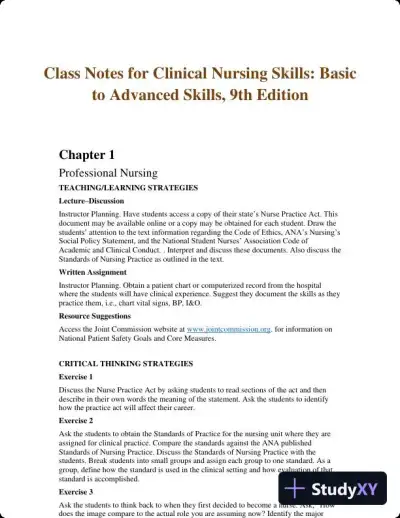 Class Notes
Class Notes for Clinical Nursing Skills: Basic to Advanced Skills, 9th Edition
Nursing
150 pages154downloadsFeb 2025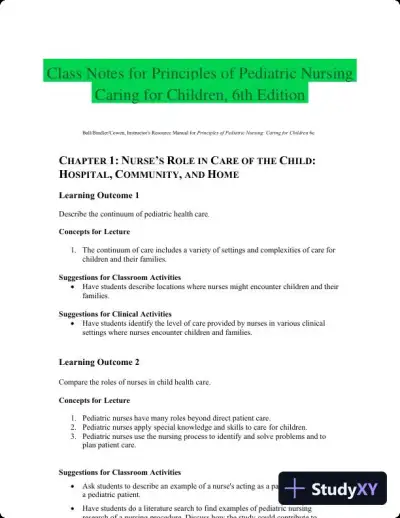 Class Notes
Class Notes for Principles of Pediatric Nursing Caring for Children, 6th Edition
Nursing
191 pages152downloadsFeb 2025
Study this document with CramX
Once it is in your library, every tool can work from it.