

Test Bank for Brock Biology of Microorganisms, 16th Global Edition (Chapters 1-33)
- Biology
- 338 pages
- Shared February 2025
- 93 downloads
Test Bank for Brock Biology of Microorganisms, 16th Global Edition (Chapters 1-33) ensures you're fully prepared with expert-verified questions and solutions.
Preview 31 of 338 pages
See the first 31 pages exactly as they appear in the document.
Page 1 Read page 1 as text
Test Bank For Brock Biology of Microorganisms 15th Edition By Michael T. Madigan Brock Biology of Microorganisms, 15e (Madigan et al.) Chapter 1 The Microbial World 1.1 Multiple Choice Questions 1) Which of the following statements is FALSE? A) Microbial cells can exist as single cells. B) Microbial cells carry out their life processes of growth independently. C) Microbial cells include both bacteria and viruses. D) Microbial cells are surrounded by a plasma membrane. 2) Which of the following statements is correct? A) Microorganisms are significant contributors to the total biomass on Earth. B) Microorganisms represent a much smaller amount of Earth’s biomass than plants. C) Microorganisms represent a much smaller amount of Earth’s biomass than animals. D) Microorganisms are significant in number, but not in overall biomass. 3) Differential selection and reproduction of phenotypes occurs during a process called A) cellular differentiation. B) evolution. C) growth. D) transformation. 4) In what/which domain(s) of life is/are microorganisms represented? A) Archaea B) Bacteria C) Eukarya D) Archaea, Bacteria, and Eukarya 5) Biological catalysts involved in the acceleration of the rate of chemical reactions are called A) catalytic converters. B) growth agents. C) evolutionary molecules. D) enzymes. 6) Regarding early life on Earth A) microbial life existed for billions of years before plant and animal life. B) microbial life existed long before animals but has been around for about the same amount of time as plants. C) microbial life, plant life, and animal life all appeared at about the same time. D) it is impossible to determine which type of life first appeared. TEST BANK FOR BROCK BIOLOGY OF MICROORGANISM 16TH EDITION BY MICHAEL T. MADIGAN
Page 2 Page 3 Read page 3 as text
7) The person who described the “wee animalcules” was A) Robert Hooke. B) Antoni van Leeuwenhoek. C) Louis Pasteur. D) Ferdinand Cohn. Chapter Section: 1.5 8) Walther Hesse and ________ pioneered the use of agar as a solidifying agent. A) Louis Pasteur B) Ferdinand Cohn C) Robert Koch D) Sergei Winogradsky 0 9) Which of the following is/are characteristic of all cellular organisms? A) communication B) evolution C) motility D) communication, evolution, and motility 10) Deduce why viruses are excluded from the ribosomal RNA—based tree of life. A) Some viruses contain multiple strands of RNA. B) Their genetic elements cannot be sequenced. C) They can infect other organisms, which complicates the genetic comparisons. D) They lack ribosomal RNA (rRNA). 3 11) Louis Pasteur developed the vaccine(s) for A) anthrax only. B) fowl cholera only. C) rabies only. D) anthrax, fowl cholera, and rabies. Chapter Section: 1.9 12) The discovery of antibiotics and other important chemicals led to the field of A) industrial microbiology. B) agricultural microbiology. C) marine microbiology. D) aquatic microbiology. 13) Microbial sterilization is used to A) decrease the possibility of contaminants growing in a culture. B) kill bacteria but not necessarily viruses or other microbes. C) kill all microbes in or on objects. D) clean a work area.
Page 4 Read page 4 as text
Chapter Section: 1.9 14) Transparent double-sided dishes used for growing microbes are most commonly called A) Petri dishes. B) baker dishes. C) sterilization plates. D) culture medium plates. 0 15) Microbes playing a role in nitrogen fixation in plants live in ________, while those playing a role in the digestive tract of certain herbivores live in ________. A) rumens / nodules B) nodules / rumens C) nodules / fortrans D) fortrans / rumens 16) Which of the following is NOT an accomplishment of Louis Pasteur? A) determined that the alcohol-making process was mediated by microbial fermentation and thus refuted the theory of spontaneous generation B) developed enrichment culture techniques C) developed heat sterilization techniques that involved the creation of a specialized swan-necked flask D) developed the first rabies vaccine and treated thousands of individuals Chapter Section: 1.9 17) The theory of spontaneous generation was refuted by the work of A) Louis Pasteur. B) Robert Koch. C) Robert Hooke. D) Antoni van Leeuwenhoek. Chapter Section: 1.9 18) A Pasteur flask has a(n) A) swan neck to prevent particulate matter from getting into the main body of the flask. B) double neck so two substances may be added at the same time. C) secondary opening at the base to allow for drainage. D) inverted upper edge to prevent spillage while swirling. Chapter Section: 1.9 19) Predict how Pasteur’s conclusions on spontaneous generation with swan flasks would have changed if he worked with and maintained the flasks in a sterile laminar flow hood. A) Sterilization of the swan flask solutions would not have been necessary to reject spontaneous generation. If he did sterilize the flasks, the spontaneous generation hypothesis would have been supported. B) His incubation times would not have been sufficient to refute spontaneous generation. C) Pasteur’s flasks never would have putrefied, and the experiment would not have refuted spontaneous generation. D) Viruses would have still been present, and his conclusion would have been unchanged.
Page 5 Read page 5 as text
Chapter Section: 1.9 20) A pure culture A) is sterile. B) is a population of identical cells. C) is made of a clearly defined chemical medium. D) contains one microbial cell. Chapter Section: 1.9 21) Martinus Beijerinck was the first to isolate A) green algae. B) certain nitrogen-fixing root nodule bacteria. C) certain sulfate-reducing bacteria. D) green algae, certain nitrogen-fixing root nodule bacteria, and certain sulfate-reducing bacteria. 1 22) Chemolithotrophy involves A) oxidation of organic compounds. B) oxidation of inorganic compounds. C) reduction of organic compounds. D) metabolic autotrophy. 1 23) Developments in the fields of immunology and medical microbiology were practical extensions of the work of A) Sergei Winogradsky. B) Antoni van Leeuwenhoek. C) Joseph Lister. D) Robert Koch. 0 24) Microbial control in wastewaters would most logically be a part of A) microbial genetics. B) aquatic microbiology. C) medical microbiology. D) bacterial energetics. 25) Robert Koch contributed to the field of microbiology by being the first person to A) develop the tuberculin test only. B) formulate four postulates for definitively linking a specific microorganism to a specific disease only. C) use agar as a solidifying agent in growth media only. D) develop the tuberculin test, formulate four postulates for definitively linking a specific microorganism to a specific disease, and use agar as a solidifying agent in growth media. Chapter Section: 1.9 26) Mycobacterium tuberculosis is very difficult to stain because of the A) presence of ribosomes in the cytoplasm. B) location of the DNA within the cell. C) large amounts of a waxlike lipids present in its cell wall. D) lack of a cell wall.
Page 6 Read page 6 as text
0 27) Louis Pasteur’s most famous success was his work on A) Mycobacterium tuberculosis . B) the rabies vaccine. C) optical isomers. D) cultivation of coli . Chapter Section: 1.9 28) Microorganisms play key roles in the cycling of important nutrients in plant nutrition, particularly those of A) carbon only. B) nitrogen only. C) sulfur only. D) carbon, nitrogen, and sulfur. 29) Microbial ecology is the study of A) microbial processes in the rhizosphere that benefit plant growth. B) the diversity and activities of microorganisms. C) the grouping and classifying of microorganisms. D) microorganisms in their natural environments. 30) The structure that confers structural strength on the cell is known as the A) cytoplasmic membrane. B) cell wall. C) ribosome. D) cytoplasm. 31) A microbial cell’s membrane is considered ________, because its internal constituents are maintained within the cell. However, it also imports and exports other molecules in response to its environment. A) differential B) microselective C) rigid D) semipermeable 32) Some microorganisms can undergo ________ in which various cell types can become specialized and arise from one parent cell type. A) differentiation B) genetic exchange C) maturation D) mutagensis
Page 7 Read page 7 as text
33) Cyanobacteria and purple sulfur bacteria both obtain energy from light. However, only the ________ are capable of releasing ________. A) cyanobacteria / organic compounds B) cyanobacteria / oxygen C) purple bacteria / organic compounds D) purple bacteria / oxygen 34) The process whereby microorganisms are used to help clean up pollution created by human activities is known as A) bioaugmentation. B) biodegradation. C) bioengineering. D) bioremediation. 35) Robert Koch received the 1905 Nobel Prize in Physiology or Medicine for A) developing a smallpox vaccination. B) identifying Mycobacterium tuberculosis as the causative agent of tuberculosis. C) making an effective rabies vaccine. D) developing a smallpox vaccination, identifying Mycobacterium tuberculosis as the causative agent of tuberculosis, and making an effective rabies vaccine. 0 36) Bacillus anthracis deficient in its ability to differentiate would not be able to A) chemotax towards growth substrates. B) create vesicles. C) form endospores. D) grow without additional supplemented nutrients. 0 37) Microbial biochemistry most specifically involves the discovery of microbial ________ and the ________ they perform. A) organelles / diffusion B) enzymes / organelles C) reactions / enzymes D) biomolecules / functions 38) Microbial cells first evolved on Earth approximately ________ billion years ago. A) 1.6 to 1.8 B) 3.8 to 4.3 C) 5.4 to 5.6 D) 7.0 to 7.2 39) The disease anthrax is caused by the pathogenic bacterium ________, which produces heat-resistant structures known as ________. A) Azotobacter chroococcum / endospores B) Azotobacter chroococcum / plasmids C) Bacillus anthracis / endospores
Page 8 Read page 8 as text
D) Bacillus anthracis / plasmids 40) The first documented description of a microorganism was of a ________ by ________. A) bacterium / Ferdinand Cohn B) fungus / Robert Koch C) mold / Robert Hooke D) yeast / Martinus Beijerinck Chapter Section: 1.5 41) ________ produced by microbial fermentation of glucose from cellulose or cornstarch is becoming a more important component of biofuels in the United States, and specialized ________ are needed to make this a commercially available product. A) Biodiesel / biotechnologists B) Biodiesel / industrial microbiologists C) Ethanol / biotechnologists D) Ethanol / industrial microbiologists 42) ________ was the first to describe microorganisms, while ________ was the first person to see bacteria. A) Antoni van Leeuwenhoek / Robert Hook B) Antoni van Leeuwenhoek / Robert Koch C) Robert Hooke / Antoni van Leeuwenhoek D) Robert Koch / Antoni van Leeuwenhoek Chapter Section: 1.5 43) The production of human proteins (e.g., insulin) by genetically engineered microorganisms is an example of ________, a subdiscipline of microbiology. A) applied microbiology B) biotechnology C) industrial microbiology D) molecular microbiology 44) Approximately two billion years ago, ________ were primarily responsible for initially oxygenating Earth. A) algae B) Archaea C) cyanobacteria D) purple sulfur bacteria 45) Archaea and Bacteria are unified as prokaryotes in lacking ________ which Eukarya contain, such as mitochondria. A) membranes B) nuclei C) membrane-enclosed organelles D) nuclei and membrane-enclosed organelles
Page 9 Read page 9 as text
46) Bioremediation ________ by introducing pollutant-consuming microorganisms or specific nutrients that help microorganisms degrade pollutants. A) accelerates the natural cleanup process B) exploits genetic exchange mechanisms C) invokes microbial evolution D) uses chemotaxis of biodegrading microorganisms 47) ________ was the first to identify a new form of autotrophy in which energy is obtained from oxidizing inorganic compounds called ________. A) Martinus Beijerinck / heteroautotrophy B) Martinus Beijerinck / chemolithotrophy C) Sergei Winogradsky / heteroautotrophy D) Sergei Winogradsky / chemolithotrophy 1 48) Electron microscopy has greater ________ than light microscopy, because the wavelength of visible light is much larger than the wavelength of electrons. A) contrast B) magnification C) resolution D) penetration Chapter Section: 1.8 49) Which of the following types of microscopy is especially effective for viewing details of internal structures within live cells? A) phase-contrast microscopy B) transmission electron microscopy C) bright-field microscopy D) scanning electron microscopy Chapter Section: 1.6 50) Which of the following types of microscopy could be used to visualize the layers of the cell membrane and the cell wall? A) phase-contrast microscopy B) transmission electron microscopy C) bright-field microscopy D) confocal microscopy Chapter Section: 1.8 51) Who was the first researcher to provide direct experimental data that supported the germ theory to explain infectious disease? A) Pasteur B) Winogradsky C) Lister D) Koch 0 52) When medical devices are left in the body, bacteria may grow on them as ________, which makes them especially resistant to treatment. A) biofilms
Page 10 Read page 10 as text
B) liquids C) populations D) communities 53) Microbes that live at high temperatures in hot springs are ________. A) always Archaea. B) also able to thrive at low temperatures. C) called extremophiles. D) rarely found. 54) What field focuses specifically on the use of microbes to make products, such as antibiotics, on a large scale? A) microbial ecology B) biotechnology C) industrial ecology D) medical microbiology 55) Which statement about the relationship between microbes and humans is FALSE? A) Most microbes are pathogenic. B) Infectious disease is an important public health concern. C) Bacteria in the digestive tract are important for digestion. D) Microbes in root nodules fix nitrogen and allow plants to make nitrogen-rich products. 56) Why is ribosomal RNA especially useful for the study of phylogenetic relationships? A) It is only found in some species, helping to distinguish them from others. B) It is highly conserved. C) It is highly variable. D) It is extremely short. 3 57) Why is it important to use cultivation-independent methods to help understand microbial diversity? A) It allows researchers to identify species that cannot be grown in culture. B) It is the only way that phylogenetic trees can be constructed. C) It must be used after bacteria are cultured to more fully sequence their DNA. D) It is necessary to be able to examine ribosomal RNA. 3 1.2 True/False Questions 1) Most microorganisms are pathogenic. 2) All microorganisms require molecular oxygen to carry on life functions.
Page 11 Read page 11 as text
3) Metabolism is a unifying characteristic of all cellular organisms. 4) According to our present understanding, each of the three major domains has what is known as its own universal ancestor. 5) Both environmental conditions and nutrient resources strongly influence the composition of a microbial community. 6) The environment in which a microbial population lives is called its habitat. 7) Differentiation occurs only in multicellular organisms. 8) The discipline of microbiology is intimately associated with biochemistry and genetics, because cells are both biochemical catalysts and genetic coding devices. 9) Today, the enrichment culture technique developed over a century ago by Martinus Beijerinck remains a feasible approach to discovering bacteria capable of degrading pollutants. 1 10) Sergei Winogradsky worked with bacteria involved in cycling nitrogen and sulfur. 1 11) Treponema pallidum, a bacterium associated with syphilis, is not considered a pathogen because to date it remains unculturable in the lab, and, therefore, Koch’s postulates are unable to be fulfilled. 0 12) Not only do some microorganisms tolerate extremely hot temperatures, some actually require high temperatures for optimal growth. 13) Electron microscopes have less resolving power (resolution) than light microscopes. Chapter Section: 1.8
Page 12 Read page 12 as text
1.3 Essay Questions 1) Explain the nature and function of an enrichment culture. 2) Why is it incorrect to say that an object is partially sterile? 3) Microbes were first formally observed during the mid-1600s, but the cell theory was not 4) List three contributions of Ferdinand Cohn to the development of microbiology. 5) Compare and contrast the works of Louis Pasteur and Robert Koch in terms of both applied techniques and basic science. 6) Explain why microbial cells are excellent models for understanding cell function in higher 7) Compare and contrast the leading causes of death in 1900 with the leading causes of death today. What roles have microbiologists played in the dramatic changes that are evident? 8) Explain how you would use Robert Koch’s postulates to determine that Streptococcus 9) The text states that antibiotics are derived from microorganisms. What is the benefit to an antibiotic-producing microorganism of producing an antibiotic in its natural habitat? 10) Describe beneficial and harmful ways in which microorganisms interact with agricultural crops. 11) Provide evidence supporting the statement that an “ecosystem is controlled by microbial activities.” 12) Explain why only anaerobic bacteria inhabited Earth for the first two billion years of its existence. 13) How would the presence of endospores in Louis Pasteur’s nutrient solutions have affected his conclusions about spontaneous generation? 14) Using specific examples, explain why it is sometimes impossible to satisfy Robert Koch’s postulates. 15) Explain why infectious diseases are much less lethal in developed countries than in underdeveloped countries. 16) Describe two capabilities of microbes that exemplify their dynamic nature in interacting with their environment. 17) Compare and contrast the functions microbes serve in the digestive systems of both humans and rumens (e.g., cattle). 18) The explosive chemical trinitrotoluene (TNT) can remain in soils after use and is hazardous to humans. Propose an experiment in which TNT-degrading microorganisms could be isolated for purposes of bioremediation. Also indicate what experimental evidence would be useful to isolate TNT-degrading microorganisms. 19) What type of microscope would you use to visualize the internal structures of a chloroplast? Support your answer with evidence based on the size of the structures you want to see and the resolution and magnification power of different types of microscopes. Brock Biology of Microorganisms, 15e (Madigan et al.) Chapter 2 Microbial Cell Structure and Function
Page 13 Read page 13 as text
2.1 Multiple Choice Questions 1) An organism of the genus Staphylococcus is ________, while an organism of the genus Spirochaeta is ________. A) spherical / rod shaped B) rod shaped / coiled C) spherical / coiled D) coiled / spherical Chapter Section: 2.1 2) Bacteria with type IV pili A) possess tubular or stalk-like extensions of their cells. B) likely exhibit twitching motility. C) have capsules that promote dehydration. D) live in aquatic environments. Chapter Section: 2.7 3) The terms “run” and “tumble” are generally associated with A) eukaryotic cells. B) nutrient transport. C) chemotaxis. D) clustering of certain rod-shaped bacteria. Chapter Section: 2.13 4) The morphology of a cell influences its A) motility. B) metabolism. C) surface-to-volume ratio. D) motility and surface-to-volume ratio. Chapter Section: 2.1 5) Compared to Eukaryotes, Bacteria and Archaea have ________ surface-to-volume ratios, causing ________ nutrient exchange. A) lower / lower B) lower / higher C) higher / lower D) higher / higher Chapter Section: 2.2 6) The cytoplasmic membrane could best be described as A) an impermeable barrier. B) a passive conduit for intracellular transport. C) a highly selective permeability barrier. D) a rigid structure that protects the cell. Chapter Section: 2.3 7) The use of the Gram stain in microbiology is important because it differentiates A) Bacteria from B) prokaryotic from eukaryotic cells. C) bacterial cells with different types of cell walls. D) archaeal cells with different types of metabolism.
Page 14 Read page 14 as text
8) Some archaea have unique phospholipids in their cytoplasmic membrane that A) form a monolayer due to the presence of diglycerol tetraethers. B) form a bilayer due to the presence of sterols. C) form a stable ring structure due to the presence of crenarchaeol. D) form a bilayer due to the presence of phosphatidylethanolamine. Chapter Section: 2.3 9) Transport proteins located in the cytoplasmic membrane are necessary when A) diffusion will not allow adequate amounts of a substance to enter the cell. B) movement into the cell is against a concentration gradient. C) the level of nutrients in nature is very low. D) nutrient concentration is very low in the environment, is higher inside of the cell, or diffusion is not possible. Chapter Section: 2.3 10) Cells move polar molecules across the cell membrane against a concentration gradient using A) energy and transport proteins. B) simple diffusion. C) modifications to membrane lipids. D) random molecular movement. Chapter Section: 2.3 11) You have discovered a new microorganism and would like to classify it as a eukaryote or a prokaryote. To investigate this question you prepare a slide with a simple stain and view it with a light microscope with a 40X objective lens and 10X ocular lens. You also prepare a control slide using Saccharomyces cerevisiae (a unicellular e ukaryote). You can see the cells on your control slide, but you don’t see cells when you look at your unknown microorganism. What can you conclude from this experiment? A) The experiment failed to visualize the organism because the stain killed it. B) Your new unknown microorganism is probably a virus. C) The cells of the new unknown microorganism may be too small to see with the objective and ocular lenses you used. D) The new unknown microorganism is probably an archaeon. Chapter Section: 2.2 12) Bacteria stain as gram-positive or gram-negative because of differences in the cell A) wall. B) cytoplasm. C) nucleus. D) chromosome. 13) You are given an electron micrograph of a bacterial cell. In the micrograph you can clearly see three thin layers of different densities surrounding the cell. Based on the micrograph, you can infer that this cell is ________ and would appear ________ after application of the Gram stain procedure. A) gram-positive / purple B) gram-negative / pink C) gram-positive / pink D) gram-negative / purple
Page 15 Read page 15 as text
14) The cell wall of a Gram-positive bacterium is composed of a thick ________ layer. A) protein B) poly- -hydroxybutryic acid (PHB) β C) lipopolysaccharides (LPS) D) peptidoglycan 15) You have discovered a new coccoid-shaped microorganism with no nucleus, a rigid cell wall, and a diameter of 2 m. μ Chemical tests reveal that its cell wall does NOT contain peptidoglycan. The new microorganism is A) most likely a bacterium. B) most likely a eukaryote. C) most likely an archaeon. D) either a bacterium or an archaeon. Chapter Section: 2.6 16) The lipopolysaccharide (LPS) layer is found ONLY in the cell walls of A) gram-positive Bacteria . B) gram-negative Bacteria . C) Archaea . D) Eukarya . Chapter Section: 2.5 17) An endotoxin is A) the toxic portion of the LPS. B) a toxin produced within archaeal cells. C) a toxin known for its primary attack on the epidermis of mammals. D) a toxin produced in the periplasm of most bacteria. Chapter Section: 2.5 18) Hydrolytic enzymes function in the A) initial degradation of nutrients. B) transport of substrates within the cell. C) chemotactic response, particularly in gram-negative Bacteria . D) regeneration of the periplasm. Chapter Section: 2.5 19) Using phase contrast microscopy on a wet mount of live cells, you observe motile bacilli moving rapidly and randomly through the field of view, changing directions after a brief tumble and taking off in a different direction. These cells are exhibiting ________ motility. A) twitching B) swimming C) gliding D) twitching or gliding Chapter Section: 2.11 20) Which of the following statements is FALSE? A) A flagellar protein subunit is flagellin. B) In flagellar motion, the basal body acts as a motor.
Page 16 Read page 16 as text
C) Flagellar rotation generates ATP. D) The hook is the wider region at the base of the flagellum. Chapter Section: 2.11 21) Which of the following statements is TRUE? A) Fimbriae are generally longer and less numerous than flagella. B) Fimbriae are involved in genetic exchange between cells. C) Hami are common in Bacteria but not found in Archaea . D) Fimbriae are usually shorter than flagella whereas pili are involved in genetic exchange. Chapter Section: 2.7 22) Cellular inclusions in prokaryotic cells serve to A) store energy rich compounds. B) protect DNA. C) position cells in the appropriate environment for survival. D) store energy rich compounds and position cells in the appropriate environment for survival. Chapter Section: 2.8 23) A major function of prokaryotic gas vesicles is to A) confer buoyancy on cells by decreasing their density. B) serve as a reservoir for oxygen and carbon dioxide. C) keep the cell’s organelles separated during flagellar motion. D) store oxygen for aerobic growth when oxygen becomes depleted in the environment. Chapter Section: 2.9 24) The membrane of a gas vesicle is composed of A) various phospholipids. B) proteins. C) carbohydrates. D) both glycoproteins and phospholipids. Chapter Section: 2.9 25) What is the biological function of endospores? A) They are bacterial reproductive structures. B) They enable organisms to endure extremes of temperature, drying, and nutrient depletion. C) They transport toxins. D) Endospores can serve as reproductive structures, enable survival in harsh environments, and transport toxins. Chapter Section: 2.10 26) The lipids in the cytoplasmic membrane of Bacteria and ________ contain ester linkages, while the cytoplasmic membrane of ________ contain ether linkages. A) Archaea / Eukarya B) Archaea / fungi C) Eukarya / prokaryotes D) Eukarya / Archaea Chapter Section: 2.3
Page 17 Read page 17 as text
27) Based on your knowledge of porins from the chapter, what is the best description of the specific type of porin called an aquaporin? A) water transport proteins B) molecules that prevent water from crossing a membrane C) enzymes involved in the generation of water within cells D) cations bound to water molecules Chapter Section: 2.5 28) ________ are charged molecules that are partially responsible for the ________ charge of the gram-positive bacterial cell surface. A) Diaminopimelic acids / positive B) Teichoic acids / negative C) Phospholipids / negative D) Peptide interbridges / neutral 29) Although the inner leaflet of the gram-negative outer membrane is composed mainly of phospholipids, the outer leaflet of the outer membrane contains A) pseudopeptidoglycans. B) lipoteichoic acids. C) poly- -hydroxybutyric acids (PHB). β D) lipopolysaccharides (LPS). Chapter Section: 2.5 30) One of the many types of proteins found in the cytoplasmic membrane is involved in the chemotactic response and is called a A) hydrolytic enzyme. B) chemoreceptor. C) binding protein. D) porin. Chapter Section: 2.5 31) When does endospore formation commence? A) when bacterial growth ceases due to limitation of an essential nutrient B) when the bacterium is undergoing binary fission C) when bacteria are dividing exponentially D) following bacterial death Chapter Section: 2.10 32) Which is/are a function(s) of the cytoplasmic membrane in prokaryotes? A) It functions as a permeability barrier. B) It is an anchor for many proteins involved in bioenergetic reactions and transport. C) It is a major site of energy conservation. D) It serves as a permeability barrier, a docking station for proteins involved in bioenergetics reactions and transport, and a site for energy conservation. Chapter Section: 2.3 33) All eukaryotes contain
Page 18 Read page 18 as text
A) a membrane-enclosed nucleus. B) mitochondria. C) hydrogenosomes. D) a nucleus, mitochondria, and hydrogenosomes. Chapter Section: 2.14 34) Mitochondria and hydrogenosomes are similar in that they both A) are the site of energy production in eukaryotic cells. B) evolved via endosymbiosis of bacterial cells. C) are the site of aerobic respiration. D) evolved via endosymbiosis and are sites for aerobic respiration and energy production. Chapter Section: 2.15 35) Membrane-enclosed organelles, such as nuclei, lysosomes, endoplasmic reticulum, mitochondria, and chloroplasts A) form specialized compartments within eukaryotic cells for specific functions to occur. B) increase the structural complexity of eukaryotic cells. C) help large eukaryotic cells overcome the limitations of diffusion imposed by their large cell size. D) increase structural complexity, help eukaryotes overcome diffusion limitation due to their size, and form specialized environments for specific functions to occur. Chapter Section: 2.14 36) The Golgi complex functions to A) modify and secrete proteins to the external environment. B) sort proteins used within the cell. C) both modify and sort proteins into those destined for secretion and those that function in membrane structures. D) synthesize proteins. Chapter Section: 2.16 37) The membrane-enclosed compartments that contain digestive enzymes in eukaryotic cells are called A) cristae. B) mitosomes. C) lysosomes. D) stromas. Chapter Section: 2.16 38) Where within a eukaryotic cell is ribosomal RNA (rRNA) synthesized? A) cytoplasm B) lysosome C) mitochondrion D) nucleolus Chapter Section: 2.14 39) The energy source derived from the charge separation across the cytoplasmic membrane is referred to as A) the proton motive force. B) carbohydrate charging. C) adenosine triphosphate. D) the voltage source.
Page 19 Read page 19 as text
Chapter Section: 2.3 40) Based on the table of attributes given below, which of the following statements are FALSE about the two organisms? Characteristic Bacterium A Bacterium B Endospore formation yes no Capsule no yes Type IV pili yes no Flagella no no Morphology bacillus bacillus A) Bacterium A is more resistant to heat and ultraviolet light. B) Bacterium B likely forms a slime layer better than Bacterium A. C) Bacterium B is likely to exhibit motility. D) Both bacteria may attach to surfaces. Chapter Section: 2.7 41) Small acid-soluble proteins (SASPs) protect DNA from ultraviolet light and are found in high numbers within A) gram-positive Bacteria . B) endospores. C) inclusion bodies. D) gram-negative Bacteria . Chapter Section: 2.10 42) The peptide interbridge crosslinking between peptidoglycan layers is found ONLY in the cell walls of A) Archaea . B) Eukarya . C) gram-positive Bacteria . D) gram-negative Bacteria . 43) Type IV pili are involved in A) attachment of cells to surfaces. B) twitching motility. C) pathogenesis. D) attachment to surfaces, twitching motility, and pathogenesis. Chapter Section: 2.7 44) Eukaryotes have ________ in their cytoplasmic membranes, which serve to strengthen and stabilize the membrane and make it less flexible. Many bacteria have similar molecules, known as ________, in their cytoplasmic membranes that have a similar role. A) ether bonds / ester bonds B) lipids / phospholipids C) sterols / hopanoids D) phospholipids / lipopolysaccharides Chapter Section: 2.3 45) The rigid layer that is present in the cell walls of Bacteria that is primarily responsible for the strength of the wall is known as A) pseudomurein. B) S-layer. C) cellulose.
Page 20 Read page 20 as text
D) peptidoglycan. 46) Some of the intestinal symptoms elicited by pathogens such as Salmonella , Shigella , and Escherichia are due to the presence of A) pseudomurein. B) S-layers. C) lipopolysaccharides. D) peptidoglycan. Chapter Section: 2.5 47) Using bright-field microscopy to look at a slide prepared with a basic dye you observe cells with a clear inner compartment within the cell at 400X magnification. The cell is most likely a(n) A) prokaryote. B) bacterium. C) archaeon. D) eukaryote. Chapter Section: 2.14 48) While examining cellular material, you find that organelle DNA is present. What organelle(s) must be within the sample? A) lysosomes B) rough or smooth endoplasmic reticulum C) chloroplasts or mitochondria D) Golgi complex Chapter Section: 2.15 49) Which of the following is evidence for the endosymbiotic theory? A) Mitochondria have circular DNA. B) The nucleus is surrounded by a nuclear membrane. C) Chloroplasts have thylakoids. D) The rough endoplasmic reticulum has ribosomes. Chapter Section: 2.15 50) Actin is found within ________. A) the prokaryotic cytoskeleton. B) eukaryotic microfilaments. C) eukaryotic microtubules. D) eukaryotic intermediate filaments. Chapter Section: 2.16 51) Which of the following statements is TRUE? A) Eukaryotic flagella rotate in the same manner as prokaryotic flagella. B) Lysosomes synthesize proteins and carbohydrates. C) Cilia generally move with a slow, whiplike motion. D) The major function of the rough endoplasmic reticulum is lipid synthesis. Chapter Section: 2.16
Page 21 Read page 21 as text
52) Archaeans have archaella that rotate like bacterial flagella though they A) have greater diameters than bacterial flagella. B) are longer than bacterial flagella. C) only rotate in one direction. D) consist of multiple protein types. Chapter Section: 2.11 53) You find endospores of a particular species. Which of the following is most likely TRUE of this species? A) It is an archaean. B) It is a gram positive bacterium. C) It is a gram negative bacterium. D) It is equally likely to be an archaean, a gram positive bacterium, or a gram negative bacterium. Chapter Section: 2.10 2.2 True/False Questions 1) In general, most cell inclusions function as energy reserves or as a reservoir of structural building blocks. Chapter Section: 2.8 2) Smaller prokaryotic cells generally grow faster than larger ones due to a higher surface-area-to-volume ratio. Chapter Section: 2.2 3) In general, lipids in archaeal cytoplasmic membranes lack true fatty acids. Chapter Section: 2.3 4) Some membrane proteins are involved in bioenergetic reactions, while others are involved in membrane transport. Chapter Section: 2.3 5) Both hydrophilic and charged molecules readily diffuse through the cytoplasmic membrane. Chapter Section: 2.3 6) Teichoic acids are commonly found in gram-negative cell walls. 7) Despite the invariance of the backbone of peptidoglycan, there are more than 100 different types of peptidoglycan. 8) Lysozyme is an enzyme that can ultimately lyse and kill eukaryotic cells by breaking -1, 4-glycosidic bonds in β peptidoglycan.
Page 22 Read page 22 as text
9) Porins are channels in the outer membranes of gram-positive Bacteria . 10) A bacterial cell is interpreted as gram-positive when it forms purple insoluble crystal violet-iodine complexes within the cell during the Gram stain. 11) In general, swimming is performed with flagella, whereas gliding uses other cellular components such as pili. Chapter Section: 2.11 12) Chemotaxis is a sensory response affecting the rotational direction of the flagellar motor. Chapter Section: 2.13 13) Photoreceptors are analogous to chemoreceptors in that they are both proteinaceous sensors. Chapter Section: 2.13 14) Pathogenic bacteria that contain S-layers are protected against host defense mechanisms. Chapter Section: 2.6 15) Poly- -hydroxybutyric acid (PHB) is a carbon- and energy-storing polymer. β Chapter Section: 2.8 16) Mitochondria and chloroplasts have their own DNA and ribosomes, which supports the endosymbiotic hypothesis. Chapter Section: 2.15 17) Macromolecules resulting from lysosomal digestion are used in cellular biosynthesis and energy generation. Chapter Section: 2.16 18) Viewing the shape of a bacterial or archaeal cell using a microscope gives a great deal of information about the metabolism and lifestyle of the organism. Chapter Section: 2.1 2.3 Essay Questions 1) Describe the makeup of the phospholipid bilayer. Include molecular orientation and proteins as well. 2) Compare and contrast the chemical composition and structure of the cytoplasmic membranes found in Bacteria and Archaea. What is the advantage of the archaeal membranes in relationship to the types of environments archaea may inhabit?
Page 23 Read page 23 as text
3) You are studying swimming motility in a pathogenic bacillus. You create mutations in random genes and then test which mutations effect swimming motility by looking at the mutant cells under the microscope. One of the mutant bacteria cannot swim anymore, but still rotates around in one spot when you watch them. Using electron microscopy you discover that some parts of the flagella are still present in the cell wall, but no long flagella are visible. Which gene do you think is mutated (i.e., missing) and which motility-related parts are still present in this mutant? Chapter Section: 2.11 4) Describe the mechanisms by which certain prokaryotes glide. What are the ecological advantages of gliding motility? 5) What is the function of an endospore and how is an endospore formed? 6) You have discovered a new bacterial strain that causes urinary tract infections. Closely related bacterial species cannot cause infections. You compare the strains and find that your new strain has structures composed of protein external to its cell wall. What structures might your new strain have that the other strains do not? Why? 7) Construct a chart to show at least five major differences between the cytoplasmic membrane and cell wall of bacteria and archaea. What are the implications of these differences? 8) Explain why prokaryotes tend to survive and adapt more rapidly to extreme and dynamic environmental conditions than eukaryotes. 9) Elaborate on why discovering endospores was important to microbiology. 10) Predict what would happen to a motile bacterium undergoing chemotaxis if the Mot proteins suddenly ceased to function. 11) Explain why a eukaryotic cell needs membrane-enclosed lysosomes and peroxisomes. 12) Explain why being small is advantageous for cells and how it affects growth rates. 2 13) Antibiotics such as penicillin interfere with the ability of bacteria to synthesize cell walls. Explain why cell walls are a good target for a useful antibiotic and whether you think that penicillin would be effective against a bacterial cell in an isotonic environment. Brock Biology of Microorganisms, 15e (Madigan et al.) Chapter 3 Microbial Metabolism 3.1 Multiple Choice Questions 1) The prokaryotic transport system that involves a substrate-binding protein, a membrane-integrated transporter, and an ATP-hydrolyzing protein is A) the ABC transport system. B) group translocation. C) symport. D) simple transport. Chapter Section: 3.2 2) The sum of all biosynthetic reactions in a cell is known as A) metabolism. B) anabolism. C) catabolism. D) synthatabolism. Chapter Section: 3.1
Page 24 Read page 24 as text
3) Based on the functional roles of phosphate in various microbial metabolisms, which of the following compounds most likely contain phosphate? A) organic compounds B) inorganic compounds C) both organic and inorganic compounds D) neither organic nor inorganic compounds Chapter Section: 3.1 4) Which of the following would be used by a chemoorganotroph for energy? A) C2H3O2- B) H2 C) CO2 D) H+ 5) Which of the following statements is FALSE? A) Most bacteria are capable of using ammonia as their sole nitrogen source. B) Some bacteria are able to use nitrates or nitrogen gas as their nitrogen source. C) Most available nitrogen is in organic forms. D) Nitrogen is a major component of proteins and nucleic acids. Chapter Section: 3.6 6) All microorganisms require A) carbon, iron, and sodium. B) phosphorus, aluminum, and sodium. C) calcium, potassium, and magnesium. D) phosphorus, selenium, and sulfur. Chapter Section: 3.1 7) Which element functions BOTH as an enzyme cofactor and as a stabilizer of ribosomes and nucleic acids? A) iron B) hydrogen C) zinc D) magnesium Chapter Section: 3.1 8) Based on your understanding of metabolism, generalize when an enzyme s rate of activity can be changed. ʹ A) before enzyme production B) during enzyme production C) after enzyme production D) at any point—before, during, or after enzyme production Chapter Section: 3.5 9) The change in Gibbs free energy for a particular reaction is most useful in determining A) the amount of energy catalysts required for biosynthesis or catabolism. B) the potential metabolic reaction rate. C) whether there will be a requirement or production of energy. D) energy stored in each compound. Chapter Section: 3.4 10) Which is an example of a micronutrient?
Page 25 Read page 25 as text
A) arginine B) inorganic phosphorous C) iron D) vitamin B12 Chapter Section: 3.1 11) Aseptic technique refers to A) the microbial inoculum placed into a test tube or onto a Petri plate. B) a series of practices to avoid contamination. C) the autoclave and other sterilizing procedures. D) cleanliness in the laboratory. Chapter Section: 1.9 12) To ensure growth of a newly discovered bacterium with unknown nutritional requirements, it would be best to begin with a ________ medium rather than a ________ medium. A) complex / minimal B) minimal / complex C) selective / complex D) selective / differential Chapter Section: 3.2 13) If G0 is negative, the reaction is Δ ʹ A) exergonic and requires the input of energy. B) endergonic and requires the input of energy. C) exergonic and energy will be released. D) endergonic and energy will be released. Chapter Section: 3.4 14) Activation energy is the energy A) required for a chemical reaction to begin. B) given off as the products in a chemical reaction are formed. C) absorbed as G0 moves from negative to positive. Δ ʹ D) needed by an enzyme to catalyze a reaction without coenzymes. 15) A catalyst A) requires more reactants but makes the reaction rate faster. B) increases the amount of reactants produced but does not change the rate. C) changes the rate of the reaction but does not change the end amount of products. D) changes both the rate of a reaction and the amount of the product that will be obtained as the reaction is completed. Chapter Section: 3.5 16) The portion of an enzyme to which substrates bind is referred to as the A) substrate complex. B) active site. C) catalytic site. D) junction of van der Waals forces. Chapter Section: 3.5 17) What is the difference between a coenzyme and a prosthetic group?
Page 26 Read page 26 as text
A) Coenzymes are essential for an enzyme s function and prosthetic groups only enhance its reaction rate. ʹ B) Coenzymes are weakly bound whereas prosthetic groups are strongly bound to their respective enzymes. C) Coenzymes are organic cofactors and prosthetic groups are inorganic cofactors. D) Coenzymes require additional ions to bind to enzymes but prosthetic groups are able to directly interact with enzymes. Chapter Section: 3.5 18) If an oxidation reaction occurs A) simultaneous reduction of a different compound will also occur, because electrons do not generally exist alone in solution. B) another oxidation reaction will occur for a complete reaction, because one oxidation event is considered a half reaction. C) a cell is undergoing aerobic respiration, because oxygen is being used. D) a reduction reaction would not occur, because they are opposite reaction mechanisms. 19) The class of macromolecules in microorganisms that contributes most to biomass is A) carbohydrates. B) DNA. C) lipids. D) proteins. Chapter Section: 3.1 20) A chemoorganotroph and a chemolithotroph in the same environment would NOT compete for A) oxygen. B) carbon. C) nitrogen. D) phosphorous. Chapter Section: 3.3 21) A chemoorganotroph and a photoautotroph in the same environment would NOT compete for A) oxygen. B) carbon. C) nitrogen. D) carbon and oxygen. Chapter Section: 3.3 22) The Embden-Meyerhof-Parnas pathway is another name for A) the citric acid cycle. B) glycolysis. C) electron transport. D) NADH production. Chapter Section: 3.8 23) The net gain of ATP per molecule of glucose fermented is A) 1. B) 2. C) 4. D) 8. Chapter Section: 3.8 24) Which of the following is a common energy storage polymer in microorganisms? A) acetyl~S-CoA
Page 27 Read page 27 as text
B) glycogen C) adenosine triphosphate D) H2 Chapter Section: 3.8 25) Fermentation has a relatively low ATP yield compared to aerobic respiration because A) more reducing equivalents are used for anaerobic catabolism. B) less ATP is consumed during the first stage of aerobic catabolism. C) oxidative phosphorylation yields a lot of ATP. D) substrate-level phosphorylation yields a lot of ATP. Chapter Section: 3.8 26) From the standpoint of fermentative microorganisms, the crucial product in glycolysis is A) ATP and regenerated NAD+; the fermentation products are waste products. B) ethanol or lactate; ATP is a waste product. C) CO2; ATP is a waste product. D) not relevant because glycolysis is not a major pathway. Chapter Section: 3.8 27) In aerobic respiration, the final electron acceptor is A) hydrogen. B) oxygen. C) water. D) ATP. Chapter Section: 3.10 28) Which of the following is NOT membrane-associated? A) NADH dehydrogenases B) flavoproteins C) cytochromes D) Cytochromes, flavoproteins, and NADH dehydrogenases all can be membrane-associated. 29) During electron transport reactions A) OH- accumulates on the outside of the membrane while H+ accumulates on the inside. B) OH- accumulates on the inside of the membrane while H+ accumulates on the outside. C) both OH- and H+ accumulate on the inside of the membrane. D) both OH- and H+ accumulate on the outside of the membrane. Chapter Section: 3.11 30) The rising of bread dough is the result of A) biotin production. B) carbon dioxide produced by fermentation. C) oxidative phosphorylation. D) oxygen being released. Chapter Section: 3.8 31) Which intermediate compound(s) in the citric acid cycle is/are often used for biosynthetic pathways as well as carbon catabolism? A) only -ketoglutarate α B) only oxaloacetate
Page 28 Read page 28 as text
C) only succinyl-CoA D) -ketoglutarate, oxaloacetate, and succinyl-CoA α Chapter Section: 3.9 32) Microbial growth on the two-carbon acetate substrate invokes A) the citric acid cycle for aerobic catabolism. B) both the citric acid and glyoxylate pathways. C) the glyoxylate pathway. D) the glyoxylate and glycolysis pathways. Chapter Section: 3.9 33) Which is one major difference between anaerobic and aerobic respiration? A) electron donor B) electron acceptor C) use of electron transport D) use of proton motive force 34) For a carbon source, chemoorganotrophs generally use compounds such as A) acetate, succinate, and glucose. B) bicarbonate and carbon dioxide. C) nitrate and nitrite. D) acetate, bicarbonate, and nitrate. Chapter Section: 3.3 35) All of the following are non-protein electron carriers EXCEPT A) FADH2. B) FMNH2. C) cytochromes. D) quinones. Chapter Section: 3.10 36) Which two metabolic processes are most dissimilar? A) citric acid cycle and glycolysis B) glycolysis and gluconeogenesis C) proton motive force and substrate-level phosphorylation D) pentose phosphate pathway and glycolysis Chapter Section: 3.13 37) How does the proton motive force lead to production of ATP? A) ATPase requires one proton to make one ATP. B) Protons must be pumped against a concentration gradient from outside of the cell into the cell to rotate the F0 subunit of ATPase for the F1 subunit to make ATP. C) Oxidative phosphorylation of ADP by ATP synthase requires protons as cofactors in the reaction. D) Translocation of three to four protons drives the F0 component of ATPase which in turn phosphorylates one ADP into ATP. Chapter Section: 3.11 38) Five-carbon sugars are used in the A) biosynthesis of DNA and RNA. B) catabolic pentose phosphate pathway for carbon and energy.
Page 29 Read page 29 as text
C) biosynthesis of DNA and RNA as well as catabolic pentose phosphate pathway. D) activation of pentoses to form glycogen for energy storage. Chapter Section: 3.13 39) Improperly functioning acyl carrier proteins (ACPs) would likely result in A) a physiological shift to anaerobic metabolism where an energized membrane is less important for energy production. B) enhanced growth of a bacterium due to faster growth substrate uptake by a weakened membrane. C) no harm to bacteria, because only archaeons and eukaryotes use ACPs for fatty acid biosynthesis. D) death for a bacterium due to poor lipid bilayer integrity. Chapter Section: 3.15 40) A bacterium running low on NADPH could ________ to generate more of this coenzyme. A) degrade an amino acid or nucleic acid B) invoke the pentose phosphate pathway C) degrade a fatty acid D) use a broad specificity phosphatase with inorganic phosphatase and NADH Chapter Section: 3.13 41) One example of an electron acceptor that can be used in anaerobic respiration is A) NADH. B) water. C) nitrate. D) FMN. Chapter Section: 3.12 42) When culturing a chemoorganoheterophic bacterium, what outcome is LEAST likely to occur if ammonia and phosphate are provided at equal concentrations? A) Cells require much less P to grow than N, so extra P will be used for ATP synthesis and result in a faster growth rate. B) Cells will never consume all of the phosphate, because N is needed in higher quantities than P. C) The final biomass of cells will be no different than if only 50% of the phosphate was provided. D) The bacteria will import all of the ammonia to use for biosynthetic pathways. Chapter Section: 3.3 43) Most of the carbon in amino acid biosynthesis comes from A) citric acid cycle intermediates. B) citric acid cycle intermediates and glycolysis products. C) glycolysis products. D) glycolysis intermediates and products. Chapter Section: 3.14 44) Which metabolic cycle or pathway is LEAST likely to be invoked during the biosynthesis of DNA? A) citric acid cycle B) glycolysis C) gluconeogenesis D) pentose phosphate pathway Chapter Section: 3.14
Page 30 Read page 30 as text
45) Hypothetically, if free electrons existed in sufficient numbers for enzymes to use in metabolic reactions A) a higher diversity of cytochromes would likely be observed. B) cytochromes would be unnecessary for cells and quinones would be more important. C) Q-cycle reactions would no longer be necessary for electron transport, but the proton motive force would otherwise be unchanged. D) most metabolic pathways for both anabolism and catabolism would have to be rewritten. Chapter Section: 3.11 46) Which metabolic strategy does NOT invoke the proton motive force for energy conservation? A) aerobic catabolism B) fermentation C) chemoorganotrophy D) photoautrophy Chapter Section: 3.12 3.2 True/False Questions 1) ATP-binding cassette transport systems have high substrate affinity and thus help microorganisms survive in low nutrient environments. Chapter Section: 3.2 2) A bacterial isolate that grows better on a nutrient agar plate supplemented with amino acids but still grows in a nutrient agar plate lacking amino acids suggests amino acids are trace nutrients for the isolate. Chapter Section: 3.1 3) Regeneration of oxaloacetate is essential for the citric acid cycle to be cyclical. Chapter Section: 3.9 4) Depending on the particular metabolism of a bacterium, electron transport can be used to energize and rotate ATP synthase. Chapter Section: 3.11 5) Each amino acid made during protein biosynthesis first requires a separate biosynthetic pathway to be invoked by a cell. Chapter Section: 3.14 6) The terminating step of moving electrons onto oxygen releases additional ATP during aerobic metabolism not made during anaerobic growth. Chapter Section: 3.11 7) Nitrogenases not only reduce N2 but also can act on acetylene (C2H2). Chapter Section: 3.1 8) Due to the number of phosphate groups, ATP has approximately three times more energy stored than AMP, and ADP has approximately two-thirds the energy stored of ATP.
Page 31 Read page 31 as text
Chapter Section: 3.7 9) In a given chemical reaction, if the free energy of formation is known for all of the reactants and each of the products, the change in free energy can be calculated for the reaction. Chapter Section: 3.4 10) Free-energy calculations are dependent on the rates of the reactions. Chapter Section: 3.4 11) With respect to nitrogen utilization, relatively few bacteria can use NH3 whereas many more can make use of N2. Chapter Section: 3.14 12) The proton motive force is most often generated by splitting of H2. Chapter Section: 3.11 13) Biosynthesis of glucose can occur by compounds other than sugars via gluconeogenesis. Chapter Section: 3.13 14) If a substance is reduced, it gains electrons. Chapter Section: 3.6 15) Molybdenum is a cofactor for nitrogenase, which means every nitrogen-fixing microorganisms will not be able to fix nitrogen without Mo. Chapter Section: 3.1 16) Magnesium is not considered a growth factor for microorganisms, because growth factors are always organic compounds. Chapter Section: 3.1 17) Cells require iron supplemented in their growth medium as a trace metal, because it is consumed by quinones during electron transport for ATP production. Chapter Section: 3.10 18) Varied coenzyme availability increases the diversity of enzymatic reactions in both biosynthetic and catabolic pathways possible in a cell. Chapter Section: 3.5 19) The energy released from the hydrolysis of coenzyme A is conserved in the synthesis of ATP. Chapter Section: 3.7
307 more pages in the full document
Unlock it once and it stays in your library, ready to chat with or turn into flashcards.
Unlock the full documentMore Biology study materials
See all Exam Guides
Brock Biology of Microorganisms 12th Edition Test Bank
Biology
345 pagesMay 2025 Exam Guides
Test Bank for Genetics Essentials: Concepts and Connections, 3rd Edition
Biology
561 pages147downloadsFeb 2025 Past Exams
2024-2025 BIOL235 Nutrition Practice Exam with Answers (38 Solved Questions)
Biology
6 pages145downloadsFeb 2025 Exam Guides
Test Bank for Macroeconomics, 6th Edition
Biology
373 pages143downloadsFeb 2025 Exam Guides
Test Bank for Radiologic Science for Technologists: Physics, Biology, and Protection, 12th Edition (Chapters 1-40)
Biology
235 pages139downloadsFeb 2025 Past Exams
BIO1100 Anatomy and Physiology Openstax Test Bank with Answers (166 Solved Questions)
Biology
40 pages130downloadsFeb 2025 Exam Guides
Human Biology: Concepts And Current Issues, 8th Edition Test Bank
Biology
631 pages125downloadsFeb 2025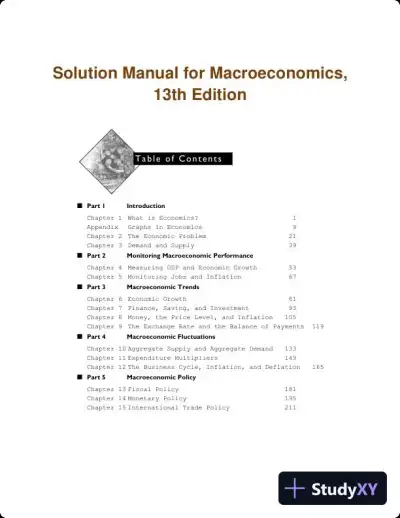 Textbook Guides
Solution Manual for Macroeconomics, 13th Edition
Biology
245 pages108downloadsFeb 2025
Study this document with CramX
Once it is in your library, every tool can work from it.