

2024-2025 TCOLE Basic Jailer Course Practice Exam with Answers (1401 Solved Questions)
- Civil Law
- 84 pages
- Shared February 2025
- 72 downloads
2024-2025 TCOLE Basic Jailer Course Practice Exam with Answers provides key insights into previous exams to help you prepare better.
Preview 26 of 84 pages
See the first 26 pages exactly as they appear in the document.
Page 1 Read page 1 as text
TCOLE Basic Jailer Course Exam Questions and Answers (350Qs 2024-2025 RATED A+ A ___________ is an order signed by a magistrate directing a sheriff to receive and place in jail a person so committed. - ANSb. commitment A custody reassessment or review is necessary to allow for changes over time in inmates' legal status, disciplinary actions, ___________, or other circumstances. - ANSa. appeals A low-risk suicidal inmate should be observed at an interval ___________. - ANSa. no longer than once every 15 minutes A person is entitled to a/an ___________ when they meet your facility requirements for being unable to provide themselves with specific personal care items. - ANSa. indigent pack Accountability, one of the five principles of public service, stands for which of the following? - ANSc. Government is to be conducted openly, efficiently, and honorable After escorting an inmate to court, the inmate should be restrained while in the courtroom, unless ___________. - ANSa. the inmate is before the bench b. the inmate is sitting at the defense table c. the inmate is standing before the bench if judge prefers no restraints d. all of the above********* e. none of the above, inmate needs to be restrained at all times Incorrect All of the following are factors which make suicide more likely in a jail setting, except the person ___________. - ANSc. is intoxicated or going through withdrawals All of the following are negligent, malicious acts done intentionally by jail personnel, leading to tort liability, except ___________. - ANSa. minimum use of force An officer can receive a request from an inmate for sick call by ___________. - ANSb. verbal and written requests Commissary expenditure records should be updated and balanced ___________. - ANSb. daily General consideration(s) in handling evidence is/are to ___________. - ANSa. preserve its integrity b. preserve its value to the owner c. mark it as evidence d. a and c Incorrect e. all of the above******* If a person dies in custody, the sheriff has ______ to make a report to the attorney general. - ANSc. 30 days If a public servant, under color of law of the office, intentionally subjects another to mistreatment, what offense is committed? - ANSc. Official Oppression
Page 2 Page 3 Read page 3 as text
TCOLE Basic Jailer Course Exam Questions and Answers (350Qs 2024-2025 RATED A+ If the inmate refuses to sign a property receipt, what should the officer do? - ANSc. have another officer witness the refusal and sign the receipt Jail health care workers should treat all offenders as ___________. - ANSb. potentially infected with HIV Many communicable diseases are much more common within the confines of the jail than outside the jails. - ANSTrue Of the 5 types of Hepatitis, which is the most widespread? - ANSb. B Officers can refer to ________ for requirements for bail. - ANSc. CCP Reasonable suspicion for searches can be based upon ___________. - ANSb. criminal history, behavior history, and contact with the public Schizophrenia consists of a group of psychotic disorders characterized by changes in ___________. - ANSd. perception The ___________ jail design has more physical barriers than the direct supervision design. - ANSd. intermittent The facility's fire prevention plan should be evaluated ___________ and the facility inspected ___________. - ANSb. quarterly/annually The principal focus of ethics is moral problems, as opposed to the formation of habits of good character. - ANSFalse The status of inmates placed in administrative segregation shall be reviewed and documented every ___________. - ANSc. 30 days This term has to do with the right of an inmate to be brought before a court or judge to determine the legality of his imprisonment. - ANSc. habeas corpus Vehicles entering or leaving a secure area of a jail facility should be searched. All of the following should be documented except ___________. - ANSb. tools used to conduct search What should you do for an "escape in progress?" - ANSa. Notify supervisor b. Contact dispatch c. Provide description of inmate d. a and c Incorrect e. All of the above************* When documenting the type of release at the time an inmate leaves the facility, it is important to record all of the following except ___________. - ANSd. future risk assessment When transporting inmates from other agencies, what is a different step in the procedure? - ANSb. Use precautions
Page 4 Read page 4 as text
TCOLE Basic Jailer Course Exam Questions and Answers (350Qs 2024-2025 RATED A+ When transporting inmates with mental illness the patient my NOT be transported in a ________ or accompanied by a(n) ________ unless other means are not available. - ANSb. marked police or sheriff's car/uniformed officer Which of the following is NOT a required daily documentation regarding the number of inmates in the facility? - ANSb. names of all inmates discharged during the last weekA ___________ is an order signed by a magistrate directing a sheriff to receive and place in jail a person so committed. - ANSb. commitment A custody reassessment or review is necessary to allow for changes over time in inmates' legal status, disciplinary actions, ___________, or other circumstances. - ANSa. appeals A low-risk suicidal inmate should be observed at an interval ___________. - ANSa. no longer than once every 15 minutes A person is entitled to a/an ___________ when they meet your facility requirements for being unable to provide themselves with specific personal care items. - ANSa. indigent pack Accountability, one of the five principles of public service, stands for which of the following? - ANSc. Government is to be conducted openly, efficiently, and honorable After escorting an inmate to court, the inmate should be restrained while in the courtroom, unless ___________. - ANSa. the inmate is before the bench b. the inmate is sitting at the defense table c. the inmate is standing before the bench if judge prefers no restraints d. all of the above********* e. none of the above, inmate needs to be restrained at all times Incorrect All of the following are factors which make suicide more likely in a jail setting, except the person ___________. - ANSc. is intoxicated or going through withdrawals All of the following are negligent, malicious acts done intentionally by jail personnel, leading to tort liability, except ___________. - ANSa. minimum use of force An officer can receive a request from an inmate for sick call by ___________. - ANSb. verbal and written requests Commissary expenditure records should be updated and balanced ___________. - ANSb. daily General consideration(s) in handling evidence is/are to ___________. - ANSa. preserve its integrity b. preserve its value to the owner c. mark it as evidence d. a and c Incorrect e. all of the above******* If a person dies in custody, the sheriff has ______ to make a report to the attorney general. - ANSc. 30 days
Page 5 Read page 5 as text
TCOLE Basic Jailer Course Exam Questions and Answers (350Qs 2024-2025 RATED A+ If a public servant, under color of law of the office, intentionally subjects another to mistreatment, what offense is committed? - ANSc. Official Oppression If the inmate refuses to sign a property receipt, what should the officer do? - ANSc. have another officer witness the refusal and sign the receipt Jail health care workers should treat all offenders as ___________. - ANSb. potentially infected with HIV Many communicable diseases are much more common within the confines of the jail than outside the jails. - ANSTrue Of the 5 types of Hepatitis, which is the most widespread? - ANSb. B Officers can refer to ________ for requirements for bail. - ANSc. CCP Reasonable suspicion for searches can be based upon ___________. - ANSb. criminal history, behavior history, and contact with the public Schizophrenia consists of a group of psychotic disorders characterized by changes in ___________. - ANSd. perception The ___________ jail design has more physical barriers than the direct supervision design. - ANSd. intermittent The facility's fire prevention plan should be evaluated ___________ and the facility inspected ___________. - ANSb. quarterly/annually The principal focus of ethics is moral problems, as opposed to the formation of habits of good character. - ANSFalse The status of inmates placed in administrative segregation shall be reviewed and documented every ___________. - ANSc. 30 days This term has to do with the right of an inmate to be brought before a court or judge to determine the legality of his imprisonment. - ANSc. habeas corpus Vehicles entering or leaving a secure area of a jail facility should be searched. All of the following should be documented except ___________. - ANSb. tools used to conduct search What should you do for an "escape in progress?" - ANSa. Notify supervisor b. Contact dispatch c. Provide description of inmate d. a and c Incorrect e. All of the above************* When documenting the type of release at the time an inmate leaves the facility, it is important to record all of the following except ___________. - ANSd. future risk assessment
Page 6 Read page 6 as text
TCOLE Basic Jailer Course Exam Questions and Answers (350Qs 2024-2025 RATED A+ When transporting inmates from other agencies, what is a different step in the procedure? - ANSb. Use precautions When transporting inmates with mental illness the patient my NOT be transported in a ________ or accompanied by a(n) ________ unless other means are not available. - ANSb. marked police or sheriff's car/uniformed officer Which of the following is NOT a required daily documentation regarding the number of inmates in the facility? - ANSb. names of all inmates discharged during the last week D in Deteremine - ANSDisease; warning sign of possible nutritional deficiencies; many chronic diseases are affected by diet and are often concurrent with depression DETERMINE - ANSacronym used for the nutritional health checklist to identify warning signs for nutritional problems E in Deteremine - ANSEating Poorly; under eating and overeating may both adversely affect health and nutrition; poor diet in general with lack of variety and alcohol E in Deteremine - ANSEconomic Hardship; income is often substantially reduced in the elderly and impacts the ability to purchase healthy foods E in Deteremine - ANSElder Years- above age 80; as age advances, the risk for developed health issues and needing assistance increases I in Deteremine - ANSInvoluntary weight loss or gain; may indicate underlying medical condition Level I Screening Tool - ANSidentified individuals who require further nutrition assessment based on results from BMI calculations, dietary habits, living situation and functional status. May be used by many different types of caregivers and may determine the need for further medical, SS and nutritional interventions. Level II Screening Tool - ANSmust be completed by a specially trained healthcare provider; involves anthropometric assessment, labs, full evaluation of medication use, social/living situations, eating habits, neurological status and functional status M in Deteremine - ANSMultiple Medicines; drug interactions and side effects; more than 50% of all elderly on more than one medication on a daily basis Mini Nutritional Assessment (MNA) - ANSscreening tool developed by Nestle that has been validated for use in the geriatric (older than 65) population to identify malnutrition; N in Deteremine - ANSNeeds assistance with self-care; may have difficulty walking, shopping, buying or cooking food Nutrition Assessment - ANSthe determination of the nutritional status of an individual in order to implement appropriate interventions as needed Nutrition Screening - ANSthe identification at risk for compromised nutritional status using a screening tool Nutrition Screening Initiative (NSI) - ANSdeveloped in 1991 as joint effort between ADA, AAFP and NCOA; developed because the 1988 Surgeon General's Workshop identified the need for nutrition screening
Page 7 Read page 7 as text
TCOLE Basic Jailer Course Exam Questions and Answers (350Qs 2024-2025 RATED A+ Questions asked on the MNA - ANSchanges in appetite, weight changes, ability to move around, recent life stressors (death) R in Deteremine - ANSReduced Social Contact; third of all elderly people live alone T in Deteremine - ANSTooth loss/Mouth Pain; oral discomfort affects one's ability to chew, swallow and taste foods D in Deteremine - ANSDisease; warning sign of possible nutritional deficiencies; many chronic diseases are affected by diet and are often concurrent with depression DETERMINE - ANSacronym used for the nutritional health checklist to identify warning signs for nutritional problems E in Deteremine - ANSEating Poorly; under eating and overeating may both adversely affect health and nutrition; poor diet in general with lack of variety and alcohol E in Deteremine - ANSEconomic Hardship; income is often substantially reduced in the elderly and impacts the ability to purchase healthy foods E in Deteremine - ANSElder Years- above age 80; as age advances, the risk for developed health issues and needing assistance increases I in Deteremine - ANSInvoluntary weight loss or gain; may indicate underlying medical condition Level I Screening Tool - ANSidentified individuals who require further nutrition assessment based on results from BMI calculations, dietary habits, living situation and functional status. May be used by many different types of caregivers and may determine the need for further medical, SS and nutritional interventions. Level II Screening Tool - ANSmust be completed by a specially trained healthcare provider; involves anthropometric assessment, labs, full evaluation of medication use, social/living situations, eating habits, neurological status and functional status M in Deteremine - ANSMultiple Medicines; drug interactions and side effects; more than 50% of all elderly on more than one medication on a daily basis Mini Nutritional Assessment (MNA) - ANSscreening tool developed by Nestle that has been validated for use in the geriatric (older than 65) population to identify malnutrition; N in Deteremine - ANSNeeds assistance with self-care; may have difficulty walking, shopping, buying or cooking food Nutrition Assessment - ANSthe determination of the nutritional status of an individual in order to implement appropriate interventions as needed Nutrition Screening - ANSthe identification at risk for compromised nutritional status using a screening tool Nutrition Screening Initiative (NSI) - ANSdeveloped in 1991 as joint effort between ADA, AAFP and NCOA; developed because the 1988 Surgeon General's Workshop identified the need for nutrition screening
Page 8 Read page 8 as text
TCOLE Basic Jailer Course Exam Questions and Answers (350Qs 2024-2025 RATED A+ Questions asked on the MNA - ANSchanges in appetite, weight changes, ability to move around, recent life stressors (death) R in Deteremine - ANSReduced Social Contact; third of all elderly people live alone T in Deteremine - ANSTooth loss/Mouth Pain; oral discomfort affects one's ability to chew, swallow and taste foodsD in Deteremine - ANSDisease; warning sign of possible nutritional deficiencies; many chronic diseases are affected by diet and are often concurrent with depression DETERMINE - ANSacronym used for the nutritional health checklist to identify warning signs for nutritional problems E in Deteremine - ANSEating Poorly; under eating and overeating may both adversely affect health and nutrition; poor diet in general with lack of variety and alcohol E in Deteremine - ANSEconomic Hardship; income is often substantially reduced in the elderly and impacts the ability to purchase healthy foods E in Deteremine - ANSElder Years- above age 80; as age advances, the risk for developed health issues and needing assistance increases I in Deteremine - ANSInvoluntary weight loss or gain; may indicate underlying medical condition Level I Screening Tool - ANSidentified individuals who require further nutrition assessment based on results from BMI calculations, dietary habits, living situation and functional status. May be used by many different types of caregivers and may determine the need for further medical, SS and nutritional interventions. Level II Screening Tool - ANSmust be completed by a specially trained healthcare provider; involves anthropometric assessment, labs, full evaluation of medication use, social/living situations, eating habits, neurological status and functional status M in Deteremine - ANSMultiple Medicines; drug interactions and side effects; more than 50% of all elderly on more than one medication on a daily basis Mini Nutritional Assessment (MNA) - ANSscreening tool developed by Nestle that has been validated for use in the geriatric (older than 65) population to identify malnutrition; N in Deteremine - ANSNeeds assistance with self-care; may have difficulty walking, shopping, buying or cooking food Nutrition Assessment - ANSthe determination of the nutritional status of an individual in order to implement appropriate interventions as needed Nutrition Screening - ANSthe identification at risk for compromised nutritional status using a screening tool Nutrition Screening Initiative (NSI) - ANSdeveloped in 1991 as joint effort between ADA, AAFP and NCOA; developed because the 1988 Surgeon General's Workshop identified the need for nutrition screening
Page 9 Read page 9 as text
TCOLE Basic Jailer Course Exam Questions and Answers (350Qs 2024-2025 RATED A+ Questions asked on the MNA - ANSchanges in appetite, weight changes, ability to move around, recent life stressors (death) R in Deteremine - ANSReduced Social Contact; third of all elderly people live alone T in Deteremine - ANSTooth loss/Mouth Pain; oral discomfort affects one's ability to chew, swallow and taste foodsD in Deteremine - ANSDisease; warning sign of possible nutritional deficiencies; many chronic diseases are affected by diet and are often concurrent with depression DETERMINE - ANSacronym used for the nutritional health checklist to identify warning signs for nutritional problems E in Deteremine - ANSEating Poorly; under eating and overeating may both adversely affect health and nutrition; poor diet in general with lack of variety and alcohol E in Deteremine - ANSEconomic Hardship; income is often substantially reduced in the elderly and impacts the ability to purchase healthy foods E in Deteremine - ANSElder Years- above age 80; as age advances, the risk for developed health issues and needing assistance increases I in Deteremine - ANSInvoluntary weight loss or gain; may indicate underlying medical condition Level I Screening Tool - ANSidentified individuals who require further nutrition assessment based on results from BMI calculations, dietary habits, living situation and functional status. May be used by many different types of caregivers and may determine the need for further medical, SS and nutritional interventions. Level II Screening Tool - ANSmust be completed by a specially trained healthcare provider; involves anthropometric assessment, labs, full evaluation of medication use, social/living situations, eating habits, neurological status and functional status M in Deteremine - ANSMultiple Medicines; drug interactions and side effects; more than 50% of all elderly on more than one medication on a daily basis Mini Nutritional Assessment (MNA) - ANSscreening tool developed by Nestle that has been validated for use in the geriatric (older than 65) population to identify malnutrition; N in Deteremine - ANSNeeds assistance with self-care; may have difficulty walking, shopping, buying or cooking food Nutrition Assessment - ANSthe determination of the nutritional status of an individual in order to implement appropriate interventions as needed Nutrition Screening - ANSthe identification at risk for compromised nutritional status using a screening tool Nutrition Screening Initiative (NSI) - ANSdeveloped in 1991 as joint effort between ADA, AAFP and NCOA; developed because the 1988 Surgeon General's Workshop identified the need for nutrition screening
Page 10 Read page 10 as text
TCOLE Basic Jailer Course Exam Questions and Answers (350Qs 2024-2025 RATED A+ Questions asked on the MNA - ANSchanges in appetite, weight changes, ability to move around, recent life stressors (death) R in Deteremine - ANSReduced Social Contact; third of all elderly people live alone T in Deteremine - ANSTooth loss/Mouth Pain; oral discomfort affects one's ability to chew, swallow and taste foodsD in Deteremine - ANSDisease; warning sign of possible nutritional deficiencies; many chronic diseases are affected by diet and are often concurrent with depression DETERMINE - ANSacronym used for the nutritional health checklist to identify warning signs for nutritional problems E in Deteremine - ANSEating Poorly; under eating and overeating may both adversely affect health and nutrition; poor diet in general with lack of variety and alcohol E in Deteremine - ANSEconomic Hardship; income is often substantially reduced in the elderly and impacts the ability to purchase healthy foods E in Deteremine - ANSElder Years- above age 80; as age advances, the risk for developed health issues and needing assistance increases I in Deteremine - ANSInvoluntary weight loss or gain; may indicate underlying medical condition Level I Screening Tool - ANSidentified individuals who require further nutrition assessment based on results from BMI calculations, dietary habits, living situation and functional status. May be used by many different types of caregivers and may determine the need for further medical, SS and nutritional interventions. Level II Screening Tool - ANSmust be completed by a specially trained healthcare provider; involves anthropometric assessment, labs, full evaluation of medication use, social/living situations, eating habits, neurological status and functional status M in Deteremine - ANSMultiple Medicines; drug interactions and side effects; more than 50% of all elderly on more than one medication on a daily basis Mini Nutritional Assessment (MNA) - ANSscreening tool developed by Nestle that has been validated for use in the geriatric (older than 65) population to identify malnutrition; N in Deteremine - ANSNeeds assistance with self-care; may have difficulty walking, shopping, buying or cooking food Nutrition Assessment - ANSthe determination of the nutritional status of an individual in order to implement appropriate interventions as needed Nutrition Screening - ANSthe identification at risk for compromised nutritional status using a screening tool Nutrition Screening Initiative (NSI) - ANSdeveloped in 1991 as joint effort between ADA, AAFP and NCOA; developed because the 1988 Surgeon General's Workshop identified the need for nutrition screening
Page 11 Read page 11 as text
TCOLE Basic Jailer Course Exam Questions and Answers (350Qs 2024-2025 RATED A+ Questions asked on the MNA - ANSchanges in appetite, weight changes, ability to move around, recent life stressors (death) R in Deteremine - ANSReduced Social Contact; third of all elderly people live alone T in Deteremine - ANSTooth loss/Mouth Pain; oral discomfort affects one's ability to chew, swallow and taste foodsD in Deteremine - ANSDisease; warning sign of possible nutritional deficiencies; many chronic diseases are affected by diet and are often concurrent with depression DETERMINE - ANSacronym used for the nutritional health checklist to identify warning signs for nutritional problems E in Deteremine - ANSEating Poorly; under eating and overeating may both adversely affect health and nutrition; poor diet in general with lack of variety and alcohol E in Deteremine - ANSEconomic Hardship; income is often substantially reduced in the elderly and impacts the ability to purchase healthy foods E in Deteremine - ANSElder Years- above age 80; as age advances, the risk for developed health issues and needing assistance increases I in Deteremine - ANSInvoluntary weight loss or gain; may indicate underlying medical condition Level I Screening Tool - ANSidentified individuals who require further nutrition assessment based on results from BMI calculations, dietary habits, living situation and functional status. May be used by many different types of caregivers and may determine the need for further medical, SS and nutritional interventions. Level II Screening Tool - ANSmust be completed by a specially trained healthcare provider; involves anthropometric assessment, labs, full evaluation of medication use, social/living situations, eating habits, neurological status and functional status M in Deteremine - ANSMultiple Medicines; drug interactions and side effects; more than 50% of all elderly on more than one medication on a daily basis Mini Nutritional Assessment (MNA) - ANSscreening tool developed by Nestle that has been validated for use in the geriatric (older than 65) population to identify malnutrition; N in Deteremine - ANSNeeds assistance with self-care; may have difficulty walking, shopping, buying or cooking food Nutrition Assessment - ANSthe determination of the nutritional status of an individual in order to implement appropriate interventions as needed Nutrition Screening - ANSthe identification at risk for compromised nutritional status using a screening tool Nutrition Screening Initiative (NSI) - ANSdeveloped in 1991 as joint effort between ADA, AAFP and NCOA; developed because the 1988 Surgeon General's Workshop identified the need for nutrition screening
Page 12 Read page 12 as text
TCOLE Basic Jailer Course Exam Questions and Answers (350Qs 2024-2025 RATED A+ Questions asked on the MNA - ANSchanges in appetite, weight changes, ability to move around, recent life stressors (death) R in Deteremine - ANSReduced Social Contact; third of all elderly people live alone T in Deteremine - ANSTooth loss/Mouth Pain; oral discomfort affects one's ability to chew, swallow and taste foodsD in Deteremine - ANSDisease; warning sign of possible nutritional deficiencies; many chronic diseases are affected by diet and are often concurrent with depression DETERMINE - ANSacronym used for the nutritional health checklist to identify warning signs for nutritional problems E in Deteremine - ANSEating Poorly; under eating and overeating may both adversely affect health and nutrition; poor diet in general with lack of variety and alcohol E in Deteremine - ANSEconomic Hardship; income is often substantially reduced in the elderly and impacts the ability to purchase healthy foods E in Deteremine - ANSElder Years- above age 80; as age advances, the risk for developed health issues and needing assistance increases I in Deteremine - ANSInvoluntary weight loss or gain; may indicate underlying medical condition Level I Screening Tool - ANSidentified individuals who require further nutrition assessment based on results from BMI calculations, dietary habits, living situation and functional status. May be used by many different types of caregivers and may determine the need for further medical, SS and nutritional interventions. Level II Screening Tool - ANSmust be completed by a specially trained healthcare provider; involves anthropometric assessment, labs, full evaluation of medication use, social/living situations, eating habits, neurological status and functional status M in Deteremine - ANSMultiple Medicines; drug interactions and side effects; more than 50% of all elderly on more than one medication on a daily basis Mini Nutritional Assessment (MNA) - ANSscreening tool developed by Nestle that has been validated for use in the geriatric (older than 65) population to identify malnutrition; N in Deteremine - ANSNeeds assistance with self-care; may have difficulty walking, shopping, buying or cooking food Nutrition Assessment - ANSthe determination of the nutritional status of an individual in order to implement appropriate interventions as needed Nutrition Screening - ANSthe identification at risk for compromised nutritional status using a screening tool Nutrition Screening Initiative (NSI) - ANSdeveloped in 1991 as joint effort between ADA, AAFP and NCOA; developed because the 1988 Surgeon General's Workshop identified the need for nutrition screening
Page 13 Read page 13 as text
TCOLE Basic Jailer Course Exam Questions and Answers (350Qs 2024-2025 RATED A+ Questions asked on the MNA - ANSchanges in appetite, weight changes, ability to move around, recent life stressors (death) R in Deteremine - ANSReduced Social Contact; third of all elderly people live alone T in Deteremine - ANSTooth loss/Mouth Pain; oral discomfort affects one's ability to chew, swallow and taste foodsD in Deteremine - ANSDisease; warning sign of possible nutritional deficiencies; many chronic diseases are affected by diet and are often concurrent with depression DETERMINE - ANSacronym used for the nutritional health checklist to identify warning signs for nutritional problems E in Deteremine - ANSEating Poorly; under eating and overeating may both adversely affect health and nutrition; poor diet in general with lack of variety and alcohol E in Deteremine - ANSEconomic Hardship; income is often substantially reduced in the elderly and impacts the ability to purchase healthy foods E in Deteremine - ANSElder Years- above age 80; as age advances, the risk for developed health issues and needing assistance increases I in Deteremine - ANSInvoluntary weight loss or gain; may indicate underlying medical condition Level I Screening Tool - ANSidentified individuals who require further nutrition assessment based on results from BMI calculations, dietary habits, living situation and functional status. May be used by many different types of caregivers and may determine the need for further medical, SS and nutritional interventions. Level II Screening Tool - ANSmust be completed by a specially trained healthcare provider; involves anthropometric assessment, labs, full evaluation of medication use, social/living situations, eating habits, neurological status and functional status M in Deteremine - ANSMultiple Medicines; drug interactions and side effects; more than 50% of all elderly on more than one medication on a daily basis Mini Nutritional Assessment (MNA) - ANSscreening tool developed by Nestle that has been validated for use in the geriatric (older than 65) population to identify malnutrition; N in Deteremine - ANSNeeds assistance with self-care; may have difficulty walking, shopping, buying or cooking food Nutrition Assessment - ANSthe determination of the nutritional status of an individual in order to implement appropriate interventions as needed Nutrition Screening - ANSthe identification at risk for compromised nutritional status using a screening tool Nutrition Screening Initiative (NSI) - ANSdeveloped in 1991 as joint effort between ADA, AAFP and NCOA; developed because the 1988 Surgeon General's Workshop identified the need for nutrition screening
Page 14 Read page 14 as text
TCOLE Basic Jailer Course Exam Questions and Answers (350Qs 2024-2025 RATED A+ Questions asked on the MNA - ANSchanges in appetite, weight changes, ability to move around, recent life stressors (death) R in Deteremine - ANSReduced Social Contact; third of all elderly people live alone T in Deteremine - ANSTooth loss/Mouth Pain; oral discomfort affects one's ability to chew, swallow and taste foodsD in Deteremine - ANSDisease; warning sign of possible nutritional deficiencies; many chronic diseases are affected by diet and are often concurrent with depression DETERMINE - ANSacronym used for the nutritional health checklist to identify warning signs for nutritional problems E in Deteremine - ANSEating Poorly; under eating and overeating may both adversely affect health and nutrition; poor diet in general with lack of variety and alcohol E in Deteremine - ANSEconomic Hardship; income is often substantially reduced in the elderly and impacts the ability to purchase healthy foods E in Deteremine - ANSElder Years- above age 80; as age advances, the risk for developed health issues and needing assistance increases I in Deteremine - ANSInvoluntary weight loss or gain; may indicate underlying medical condition Level I Screening Tool - ANSidentified individuals who require further nutrition assessment based on results from BMI calculations, dietary habits, living situation and functional status. May be used by many different types of caregivers and may determine the need for further medical, SS and nutritional interventions. Level II Screening Tool - ANSmust be completed by a specially trained healthcare provider; involves anthropometric assessment, labs, full evaluation of medication use, social/living situations, eating habits, neurological status and functional status M in Deteremine - ANSMultiple Medicines; drug interactions and side effects; more than 50% of all elderly on more than one medication on a daily basis Mini Nutritional Assessment (MNA) - ANSscreening tool developed by Nestle that has been validated for use in the geriatric (older than 65) population to identify malnutrition; N in Deteremine - ANSNeeds assistance with self-care; may have difficulty walking, shopping, buying or cooking food Nutrition Assessment - ANSthe determination of the nutritional status of an individual in order to implement appropriate interventions as needed Nutrition Screening - ANSthe identification at risk for compromised nutritional status using a screening tool Nutrition Screening Initiative (NSI) - ANSdeveloped in 1991 as joint effort between ADA, AAFP and NCOA; developed because the 1988 Surgeon General's Workshop identified the need for nutrition screening
Page 15 Read page 15 as text
TCOLE Basic Jailer Course Exam Questions and Answers (350Qs 2024-2025 RATED A+ Questions asked on the MNA - ANSchanges in appetite, weight changes, ability to move around, recent life stressors (death) R in Deteremine - ANSReduced Social Contact; third of all elderly people live alone T in Deteremine - ANSTooth loss/Mouth Pain; oral discomfort affects one's ability to chew, swallow and taste foodsD in Deteremine - ANSDisease; warning sign of possible nutritional deficiencies; many chronic diseases are affected by diet and are often concurrent with depression DETERMINE - ANSacronym used for the nutritional health checklist to identify warning signs for nutritional problems E in Deteremine - ANSEating Poorly; under eating and overeating may both adversely affect health and nutrition; poor diet in general with lack of variety and alcohol E in Deteremine - ANSEconomic Hardship; income is often substantially reduced in the elderly and impacts the ability to purchase healthy foods E in Deteremine - ANSElder Years- above age 80; as age advances, the risk for developed health issues and needing assistance increases I in Deteremine - ANSInvoluntary weight loss or gain; may indicate underlying medical condition Level I Screening Tool - ANSidentified individuals who require further nutrition assessment based on results from BMI calculations, dietary habits, living situation and functional status. May be used by many different types of caregivers and may determine the need for further medical, SS and nutritional interventions. Level II Screening Tool - ANSmust be completed by a specially trained healthcare provider; involves anthropometric assessment, labs, full evaluation of medication use, social/living situations, eating habits, neurological status and functional status M in Deteremine - ANSMultiple Medicines; drug interactions and side effects; more than 50% of all elderly on more than one medication on a daily basis Mini Nutritional Assessment (MNA) - ANSscreening tool developed by Nestle that has been validated for use in the geriatric (older than 65) population to identify malnutrition; N in Deteremine - ANSNeeds assistance with self-care; may have difficulty walking, shopping, buying or cooking food Nutrition Assessment - ANSthe determination of the nutritional status of an individual in order to implement appropriate interventions as needed Nutrition Screening - ANSthe identification at risk for compromised nutritional status using a screening tool Nutrition Screening Initiative (NSI) - ANSdeveloped in 1991 as joint effort between ADA, AAFP and NCOA; developed because the 1988 Surgeon General's Workshop identified the need for nutrition screening
Page 16 Read page 16 as text
TCOLE Basic Jailer Course Exam Questions and Answers (350Qs 2024-2025 RATED A+ Questions asked on the MNA - ANSchanges in appetite, weight changes, ability to move around, recent life stressors (death) R in Deteremine - ANSReduced Social Contact; third of all elderly people live alone T in Deteremine - ANSTooth loss/Mouth Pain; oral discomfort affects one's ability to chew, swallow and taste foodsD in Deteremine - ANSDisease; warning sign of possible nutritional deficiencies; many chronic diseases are affected by diet and are often concurrent with depression DETERMINE - ANSacronym used for the nutritional health checklist to identify warning signs for nutritional problems E in Deteremine - ANSEating Poorly; under eating and overeating may both adversely affect health and nutrition; poor diet in general with lack of variety and alcohol E in Deteremine - ANSEconomic Hardship; income is often substantially reduced in the elderly and impacts the ability to purchase healthy foods E in Deteremine - ANSElder Years- above age 80; as age advances, the risk for developed health issues and needing assistance increases I in Deteremine - ANSInvoluntary weight loss or gain; may indicate underlying medical condition Level I Screening Tool - ANSidentified individuals who require further nutrition assessment based on results from BMI calculations, dietary habits, living situation and functional status. May be used by many different types of caregivers and may determine the need for further medical, SS and nutritional interventions. Level II Screening Tool - ANSmust be completed by a specially trained healthcare provider; involves anthropometric assessment, labs, full evaluation of medication use, social/living situations, eating habits, neurological status and functional status M in Deteremine - ANSMultiple Medicines; drug interactions and side effects; more than 50% of all elderly on more than one medication on a daily basis Mini Nutritional Assessment (MNA) - ANSscreening tool developed by Nestle that has been validated for use in the geriatric (older than 65) population to identify malnutrition; N in Deteremine - ANSNeeds assistance with self-care; may have difficulty walking, shopping, buying or cooking food Nutrition Assessment - ANSthe determination of the nutritional status of an individual in order to implement appropriate interventions as needed Nutrition Screening - ANSthe identification at risk for compromised nutritional status using a screening tool Nutrition Screening Initiative (NSI) - ANSdeveloped in 1991 as joint effort between ADA, AAFP and NCOA; developed because the 1988 Surgeon General's Workshop identified the need for nutrition screening
Page 17 Read page 17 as text
TCOLE Basic Jailer Course Exam Questions and Answers (350Qs 2024-2025 RATED A+ Questions asked on the MNA - ANSchanges in appetite, weight changes, ability to move around, recent life stressors (death) R in Deteremine - ANSReduced Social Contact; third of all elderly people live alone T in Deteremine - ANSTooth loss/Mouth Pain; oral discomfort affects one's ability to chew, swallow and taste foodsD in Deteremine - ANSDisease; warning sign of possible nutritional deficiencies; many chronic diseases are affected by diet and are often concurrent with depression DETERMINE - ANSacronym used for the nutritional health checklist to identify warning signs for nutritional problems E in Deteremine - ANSEating Poorly; under eating and overeating may both adversely affect health and nutrition; poor diet in general with lack of variety and alcohol E in Deteremine - ANSEconomic Hardship; income is often substantially reduced in the elderly and impacts the ability to purchase healthy foods E in Deteremine - ANSElder Years- above age 80; as age advances, the risk for developed health issues and needing assistance increases I in Deteremine - ANSInvoluntary weight loss or gain; may indicate underlying medical condition Level I Screening Tool - ANSidentified individuals who require further nutrition assessment based on results from BMI calculations, dietary habits, living situation and functional status. May be used by many different types of caregivers and may determine the need for further medical, SS and nutritional interventions. Level II Screening Tool - ANSmust be completed by a specially trained healthcare provider; involves anthropometric assessment, labs, full evaluation of medication use, social/living situations, eating habits, neurological status and functional status M in Deteremine - ANSMultiple Medicines; drug interactions and side effects; more than 50% of all elderly on more than one medication on a daily basis Mini Nutritional Assessment (MNA) - ANSscreening tool developed by Nestle that has been validated for use in the geriatric (older than 65) population to identify malnutrition; N in Deteremine - ANSNeeds assistance with self-care; may have difficulty walking, shopping, buying or cooking food Nutrition Assessment - ANSthe determination of the nutritional status of an individual in order to implement appropriate interventions as needed Nutrition Screening - ANSthe identification at risk for compromised nutritional status using a screening tool Nutrition Screening Initiative (NSI) - ANSdeveloped in 1991 as joint effort between ADA, AAFP and NCOA; developed because the 1988 Surgeon General's Workshop identified the need for nutrition screening
Page 18 Read page 18 as text
TCOLE Basic Jailer Course Exam Questions and Answers (350Qs 2024-2025 RATED A+ Questions asked on the MNA - ANSchanges in appetite, weight changes, ability to move around, recent life stressors (death) R in Deteremine - ANSReduced Social Contact; third of all elderly people live alone T in Deteremine - ANSTooth loss/Mouth Pain; oral discomfort affects one's ability to chew, swallow and taste foodsD in Deteremine - ANSDisease; warning sign of possible nutritional deficiencies; many chronic diseases are affected by diet and are often concurrent with depression DETERMINE - ANSacronym used for the nutritional health checklist to identify warning signs for nutritional problems E in Deteremine - ANSEating Poorly; under eating and overeating may both adversely affect health and nutrition; poor diet in general with lack of variety and alcohol E in Deteremine - ANSEconomic Hardship; income is often substantially reduced in the elderly and impacts the ability to purchase healthy foods E in Deteremine - ANSElder Years- above age 80; as age advances, the risk for developed health issues and needing assistance increases I in Deteremine - ANSInvoluntary weight loss or gain; may indicate underlying medical condition Level I Screening Tool - ANSidentified individuals who require further nutrition assessment based on results from BMI calculations, dietary habits, living situation and functional status. May be used by many different types of caregivers and may determine the need for further medical, SS and nutritional interventions. Level II Screening Tool - ANSmust be completed by a specially trained healthcare provider; involves anthropometric assessment, labs, full evaluation of medication use, social/living situations, eating habits, neurological status and functional status M in Deteremine - ANSMultiple Medicines; drug interactions and side effects; more than 50% of all elderly on more than one medication on a daily basis Mini Nutritional Assessment (MNA) - ANSscreening tool developed by Nestle that has been validated for use in the geriatric (older than 65) population to identify malnutrition; N in Deteremine - ANSNeeds assistance with self-care; may have difficulty walking, shopping, buying or cooking food Nutrition Assessment - ANSthe determination of the nutritional status of an individual in order to implement appropriate interventions as needed Nutrition Screening - ANSthe identification at risk for compromised nutritional status using a screening tool Nutrition Screening Initiative (NSI) - ANSdeveloped in 1991 as joint effort between ADA, AAFP and NCOA; developed because the 1988 Surgeon General's Workshop identified the need for nutrition screening
Page 19 Read page 19 as text
TCOLE Basic Jailer Course Exam Questions and Answers (350Qs 2024-2025 RATED A+ Questions asked on the MNA - ANSchanges in appetite, weight changes, ability to move around, recent life stressors (death) R in Deteremine - ANSReduced Social Contact; third of all elderly people live alone T in Deteremine - ANSTooth loss/Mouth Pain; oral discomfort affects one's ability to chew, swallow and taste foodsD in Deteremine - ANSDisease; warning sign of possible nutritional deficiencies; many chronic diseases are affected by diet and are often concurrent with depression DETERMINE - ANSacronym used for the nutritional health checklist to identify warning signs for nutritional problems E in Deteremine - ANSEating Poorly; under eating and overeating may both adversely affect health and nutrition; poor diet in general with lack of variety and alcohol E in Deteremine - ANSEconomic Hardship; income is often substantially reduced in the elderly and impacts the ability to purchase healthy foods E in Deteremine - ANSElder Years- above age 80; as age advances, the risk for developed health issues and needing assistance increases I in Deteremine - ANSInvoluntary weight loss or gain; may indicate underlying medical condition Level I Screening Tool - ANSidentified individuals who require further nutrition assessment based on results from BMI calculations, dietary habits, living situation and functional status. May be used by many different types of caregivers and may determine the need for further medical, SS and nutritional interventions. Level II Screening Tool - ANSmust be completed by a specially trained healthcare provider; involves anthropometric assessment, labs, full evaluation of medication use, social/living situations, eating habits, neurological status and functional status M in Deteremine - ANSMultiple Medicines; drug interactions and side effects; more than 50% of all elderly on more than one medication on a daily basis Mini Nutritional Assessment (MNA) - ANSscreening tool developed by Nestle that has been validated for use in the geriatric (older than 65) population to identify malnutrition; N in Deteremine - ANSNeeds assistance with self-care; may have difficulty walking, shopping, buying or cooking food Nutrition Assessment - ANSthe determination of the nutritional status of an individual in order to implement appropriate interventions as needed Nutrition Screening - ANSthe identification at risk for compromised nutritional status using a screening tool Nutrition Screening Initiative (NSI) - ANSdeveloped in 1991 as joint effort between ADA, AAFP and NCOA; developed because the 1988 Surgeon General's Workshop identified the need for nutrition screening
Page 20 Read page 20 as text
TCOLE Basic Jailer Course Exam Questions and Answers (350Qs 2024-2025 RATED A+ Questions asked on the MNA - ANSchanges in appetite, weight changes, ability to move around, recent life stressors (death) R in Deteremine - ANSReduced Social Contact; third of all elderly people live alone T in Deteremine - ANSTooth loss/Mouth Pain; oral discomfort affects one's ability to chew, swallow and taste foodsD in Deteremine - ANSDisease; warning sign of possible nutritional deficiencies; many chronic diseases are affected by diet and are often concurrent with depression DETERMINE - ANSacronym used for the nutritional health checklist to identify warning signs for nutritional problems E in Deteremine - ANSEating Poorly; under eating and overeating may both adversely affect health and nutrition; poor diet in general with lack of variety and alcohol E in Deteremine - ANSEconomic Hardship; income is often substantially reduced in the elderly and impacts the ability to purchase healthy foods E in Deteremine - ANSElder Years- above age 80; as age advances, the risk for developed health issues and needing assistance increases I in Deteremine - ANSInvoluntary weight loss or gain; may indicate underlying medical condition Level I Screening Tool - ANSidentified individuals who require further nutrition assessment based on results from BMI calculations, dietary habits, living situation and functional status. May be used by many different types of caregivers and may determine the need for further medical, SS and nutritional interventions. Level II Screening Tool - ANSmust be completed by a specially trained healthcare provider; involves anthropometric assessment, labs, full evaluation of medication use, social/living situations, eating habits, neurological status and functional status M in Deteremine - ANSMultiple Medicines; drug interactions and side effects; more than 50% of all elderly on more than one medication on a daily basis Mini Nutritional Assessment (MNA) - ANSscreening tool developed by Nestle that has been validated for use in the geriatric (older than 65) population to identify malnutrition; N in Deteremine - ANSNeeds assistance with self-care; may have difficulty walking, shopping, buying or cooking food Nutrition Assessment - ANSthe determination of the nutritional status of an individual in order to implement appropriate interventions as needed Nutrition Screening - ANSthe identification at risk for compromised nutritional status using a screening tool Nutrition Screening Initiative (NSI) - ANSdeveloped in 1991 as joint effort between ADA, AAFP and NCOA; developed because the 1988 Surgeon General's Workshop identified the need for nutrition screening
Page 21 Read page 21 as text
TCOLE Basic Jailer Course Exam Questions and Answers (350Qs 2024-2025 RATED A+ Questions asked on the MNA - ANSchanges in appetite, weight changes, ability to move around, recent life stressors (death) R in Deteremine - ANSReduced Social Contact; third of all elderly people live alone T in Deteremine - ANSTooth loss/Mouth Pain; oral discomfort affects one's ability to chew, swallow and taste foodsD in Deteremine - ANSDisease; warning sign of possible nutritional deficiencies; many chronic diseases are affected by diet and are often concurrent with depression DETERMINE - ANSacronym used for the nutritional health checklist to identify warning signs for nutritional problems E in Deteremine - ANSEating Poorly; under eating and overeating may both adversely affect health and nutrition; poor diet in general with lack of variety and alcohol E in Deteremine - ANSEconomic Hardship; income is often substantially reduced in the elderly and impacts the ability to purchase healthy foods E in Deteremine - ANSElder Years- above age 80; as age advances, the risk for developed health issues and needing assistance increases I in Deteremine - ANSInvoluntary weight loss or gain; may indicate underlying medical condition Level I Screening Tool - ANSidentified individuals who require further nutrition assessment based on results from BMI calculations, dietary habits, living situation and functional status. May be used by many different types of caregivers and may determine the need for further medical, SS and nutritional interventions. Level II Screening Tool - ANSmust be completed by a specially trained healthcare provider; involves anthropometric assessment, labs, full evaluation of medication use, social/living situations, eating habits, neurological status and functional status M in Deteremine - ANSMultiple Medicines; drug interactions and side effects; more than 50% of all elderly on more than one medication on a daily basis Mini Nutritional Assessment (MNA) - ANSscreening tool developed by Nestle that has been validated for use in the geriatric (older than 65) population to identify malnutrition; N in Deteremine - ANSNeeds assistance with self-care; may have difficulty walking, shopping, buying or cooking food Nutrition Assessment - ANSthe determination of the nutritional status of an individual in order to implement appropriate interventions as needed Nutrition Screening - ANSthe identification at risk for compromised nutritional status using a screening tool Nutrition Screening Initiative (NSI) - ANSdeveloped in 1991 as joint effort between ADA, AAFP and NCOA; developed because the 1988 Surgeon General's Workshop identified the need for nutrition screening
Page 22 Read page 22 as text
TCOLE Basic Jailer Course Exam Questions and Answers (350Qs 2024-2025 RATED A+ Questions asked on the MNA - ANSchanges in appetite, weight changes, ability to move around, recent life stressors (death) R in Deteremine - ANSReduced Social Contact; third of all elderly people live alone T in Deteremine - ANSTooth loss/Mouth Pain; oral discomfort affects one's ability to chew, swallow and taste foodsD in Deteremine - ANSDisease; warning sign of possible nutritional deficiencies; many chronic diseases are affected by diet and are often concurrent with depression DETERMINE - ANSacronym used for the nutritional health checklist to identify warning signs for nutritional problems E in Deteremine - ANSEating Poorly; under eating and overeating may both adversely affect health and nutrition; poor diet in general with lack of variety and alcohol E in Deteremine - ANSEconomic Hardship; income is often substantially reduced in the elderly and impacts the ability to purchase healthy foods E in Deteremine - ANSElder Years- above age 80; as age advances, the risk for developed health issues and needing assistance increases I in Deteremine - ANSInvoluntary weight loss or gain; may indicate underlying medical condition Level I Screening Tool - ANSidentified individuals who require further nutrition assessment based on results from BMI calculations, dietary habits, living situation and functional status. May be used by many different types of caregivers and may determine the need for further medical, SS and nutritional interventions. Level II Screening Tool - ANSmust be completed by a specially trained healthcare provider; involves anthropometric assessment, labs, full evaluation of medication use, social/living situations, eating habits, neurological status and functional status M in Deteremine - ANSMultiple Medicines; drug interactions and side effects; more than 50% of all elderly on more than one medication on a daily basis Mini Nutritional Assessment (MNA) - ANSscreening tool developed by Nestle that has been validated for use in the geriatric (older than 65) population to identify malnutrition; N in Deteremine - ANSNeeds assistance with self-care; may have difficulty walking, shopping, buying or cooking food Nutrition Assessment - ANSthe determination of the nutritional status of an individual in order to implement appropriate interventions as needed Nutrition Screening - ANSthe identification at risk for compromised nutritional status using a screening tool Nutrition Screening Initiative (NSI) - ANSdeveloped in 1991 as joint effort between ADA, AAFP and NCOA; developed because the 1988 Surgeon General's Workshop identified the need for nutrition screening
Page 23 Read page 23 as text
TCOLE Basic Jailer Course Exam Questions and Answers (350Qs 2024-2025 RATED A+ Questions asked on the MNA - ANSchanges in appetite, weight changes, ability to move around, recent life stressors (death) R in Deteremine - ANSReduced Social Contact; third of all elderly people live alone T in Deteremine - ANSTooth loss/Mouth Pain; oral discomfort affects one's ability to chew, swallow and taste foodsD in Deteremine - ANSDisease; warning sign of possible nutritional deficiencies; many chronic diseases are affected by diet and are often concurrent with depression DETERMINE - ANSacronym used for the nutritional health checklist to identify warning signs for nutritional problems E in Deteremine - ANSEating Poorly; under eating and overeating may both adversely affect health and nutrition; poor diet in general with lack of variety and alcohol E in Deteremine - ANSEconomic Hardship; income is often substantially reduced in the elderly and impacts the ability to purchase healthy foods E in Deteremine - ANSElder Years- above age 80; as age advances, the risk for developed health issues and needing assistance increases I in Deteremine - ANSInvoluntary weight loss or gain; may indicate underlying medical condition Level I Screening Tool - ANSidentified individuals who require further nutrition assessment based on results from BMI calculations, dietary habits, living situation and functional status. May be used by many different types of caregivers and may determine the need for further medical, SS and nutritional interventions. Level II Screening Tool - ANSmust be completed by a specially trained healthcare provider; involves anthropometric assessment, labs, full evaluation of medication use, social/living situations, eating habits, neurological status and functional status M in Deteremine - ANSMultiple Medicines; drug interactions and side effects; more than 50% of all elderly on more than one medication on a daily basis Mini Nutritional Assessment (MNA) - ANSscreening tool developed by Nestle that has been validated for use in the geriatric (older than 65) population to identify malnutrition; N in Deteremine - ANSNeeds assistance with self-care; may have difficulty walking, shopping, buying or cooking food Nutrition Assessment - ANSthe determination of the nutritional status of an individual in order to implement appropriate interventions as needed Nutrition Screening - ANSthe identification at risk for compromised nutritional status using a screening tool Nutrition Screening Initiative (NSI) - ANSdeveloped in 1991 as joint effort between ADA, AAFP and NCOA; developed because the 1988 Surgeon General's Workshop identified the need for nutrition screening
Page 24 Read page 24 as text
TCOLE Basic Jailer Course Exam Questions and Answers (350Qs 2024-2025 RATED A+ Questions asked on the MNA - ANSchanges in appetite, weight changes, ability to move around, recent life stressors (death) R in Deteremine - ANSReduced Social Contact; third of all elderly people live alone T in Deteremine - ANSTooth loss/Mouth Pain; oral discomfort affects one's ability to chew, swallow and taste foodsD in Deteremine - ANSDisease; warning sign of possible nutritional deficiencies; many chronic diseases are affected by diet and are often concurrent with depression DETERMINE - ANSacronym used for the nutritional health checklist to identify warning signs for nutritional problems E in Deteremine - ANSEating Poorly; under eating and overeating may both adversely affect health and nutrition; poor diet in general with lack of variety and alcohol E in Deteremine - ANSEconomic Hardship; income is often substantially reduced in the elderly and impacts the ability to purchase healthy foods E in Deteremine - ANSElder Years- above age 80; as age advances, the risk for developed health issues and needing assistance increases I in Deteremine - ANSInvoluntary weight loss or gain; may indicate underlying medical condition Level I Screening Tool - ANSidentified individuals who require further nutrition assessment based on results from BMI calculations, dietary habits, living situation and functional status. May be used by many different types of caregivers and may determine the need for further medical, SS and nutritional interventions. Level II Screening Tool - ANSmust be completed by a specially trained healthcare provider; involves anthropometric assessment, labs, full evaluation of medication use, social/living situations, eating habits, neurological status and functional status M in Deteremine - ANSMultiple Medicines; drug interactions and side effects; more than 50% of all elderly on more than one medication on a daily basis Mini Nutritional Assessment (MNA) - ANSscreening tool developed by Nestle that has been validated for use in the geriatric (older than 65) population to identify malnutrition; N in Deteremine - ANSNeeds assistance with self-care; may have difficulty walking, shopping, buying or cooking food Nutrition Assessment - ANSthe determination of the nutritional status of an individual in order to implement appropriate interventions as needed Nutrition Screening - ANSthe identification at risk for compromised nutritional status using a screening tool Nutrition Screening Initiative (NSI) - ANSdeveloped in 1991 as joint effort between ADA, AAFP and NCOA; developed because the 1988 Surgeon General's Workshop identified the need for nutrition screening
Page 25 Read page 25 as text
TCOLE Basic Jailer Course Exam Questions and Answers (350Qs 2024-2025 RATED A+ Questions asked on the MNA - ANSchanges in appetite, weight changes, ability to move around, recent life stressors (death) R in Deteremine - ANSReduced Social Contact; third of all elderly people live alone T in Deteremine - ANSTooth loss/Mouth Pain; oral discomfort affects one's ability to chew, swallow and taste foodsD in Deteremine - ANSDisease; warning sign of possible nutritional deficiencies; many chronic diseases are affected by diet and are often concurrent with depression DETERMINE - ANSacronym used for the nutritional health checklist to identify warning signs for nutritional problems E in Deteremine - ANSEating Poorly; under eating and overeating may both adversely affect health and nutrition; poor diet in general with lack of variety and alcohol E in Deteremine - ANSEconomic Hardship; income is often substantially reduced in the elderly and impacts the ability to purchase healthy foods E in Deteremine - ANSElder Years- above age 80; as age advances, the risk for developed health issues and needing assistance increases I in Deteremine - ANSInvoluntary weight loss or gain; may indicate underlying medical condition Level I Screening Tool - ANSidentified individuals who require further nutrition assessment based on results from BMI calculations, dietary habits, living situation and functional status. May be used by many different types of caregivers and may determine the need for further medical, SS and nutritional interventions. Level II Screening Tool - ANSmust be completed by a specially trained healthcare provider; involves anthropometric assessment, labs, full evaluation of medication use, social/living situations, eating habits, neurological status and functional status M in Deteremine - ANSMultiple Medicines; drug interactions and side effects; more than 50% of all elderly on more than one medication on a daily basis Mini Nutritional Assessment (MNA) - ANSscreening tool developed by Nestle that has been validated for use in the geriatric (older than 65) population to identify malnutrition; N in Deteremine - ANSNeeds assistance with self-care; may have difficulty walking, shopping, buying or cooking food Nutrition Assessment - ANSthe determination of the nutritional status of an individual in order to implement appropriate interventions as needed Nutrition Screening - ANSthe identification at risk for compromised nutritional status using a screening tool Nutrition Screening Initiative (NSI) - ANSdeveloped in 1991 as joint effort between ADA, AAFP and NCOA; developed because the 1988 Surgeon General's Workshop identified the need for nutrition screening
Page 26 Read page 26 as text
TCOLE Basic Jailer Course Exam Questions and Answers (350Qs 2024-2025 RATED A+ Questions asked on the MNA - ANSchanges in appetite, weight changes, ability to move around, recent life stressors (death) R in Deteremine - ANSReduced Social Contact; third of all elderly people live alone T in Deteremine - ANSTooth loss/Mouth Pain; oral discomfort affects one's ability to chew, swallow and taste foods D in Deteremine - ANSDisease; warning sign of possible nutritional deficiencies; many chronic diseases are affected by diet and are often concurrent with depression DETERMINE - ANSacronym used for the nutritional health checklist to identify warning signs for nutritional problems E in Deteremine - ANSEating Poorly; under eating and overeating may both adversely affect health and nutrition; poor diet in general with lack of variety and alcohol E in Deteremine - ANSEconomic Hardship; income is often substantially reduced in the elderly and impacts the ability to purchase healthy foods E in Deteremine - ANSElder Years- above age 80; as age advances, the risk for developed health issues and needing assistance increases I in Deteremine - ANSInvoluntary weight loss or gain; may indicate underlying medical condition Level I Screening Tool - ANSidentified individuals who require further nutrition assessment based on results from BMI calculations, dietary habits, living situation and functional status. May be used by many different types of caregivers and may determine the need for further medical, SS and nutritional interventions. Level II Screening Tool - ANSmust be completed by a specially trained healthcare provider; involves anthropometric assessment, labs, full evaluation of medication use, social/living situations, eating habits, neurological status and functional status M in Deteremine - ANSMultiple Medicines; drug interactions and side effects; more than 50% of all elderly on more than one medication on a daily basis Mini Nutritional Assessment (MNA) - ANSscreening tool developed by Nestle that has been validated for use in the geriatric (older than 65) population to identify malnutrition; N in Deteremine - ANSNeeds assistance with self-care; may have difficulty walking, shopping, buying or cooking food
58 more pages in the full document
Unlock it once and it stays in your library, ready to chat with or turn into flashcards.
Unlock the full documentMore Civil Law study materials
See all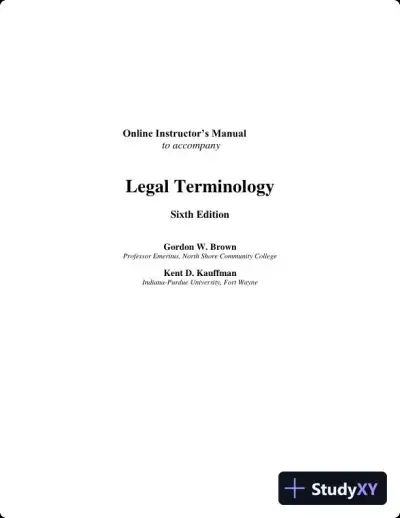 Class Notes
 For Legal Terminology, 6th Edition
Civil Law
168 pages149downloadsFeb 2025 Class Notes
Lecture Notes for Introduction to Law, 7th Edition
Civil Law
310 pages121downloadsFeb 2025 Class Notes
Lecture Notes For Legal Research, Analysis, and Writing, 14th Edition
Civil Law
618 pages57downloadsFeb 2025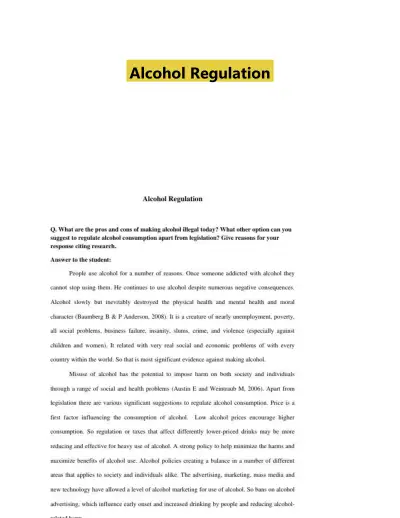 Solved Assignments
Alcohol Regulation
Civil Law
3 pagesMay 2025 Solved Assignments
Assessment 1 Long Answer Question
Civil Law
9 pagesJun 2025- Solved AssignmentsSolved Assignments
Ethical and Practical Challenges in Elder Law
Civil Law
1 pageJun 2025 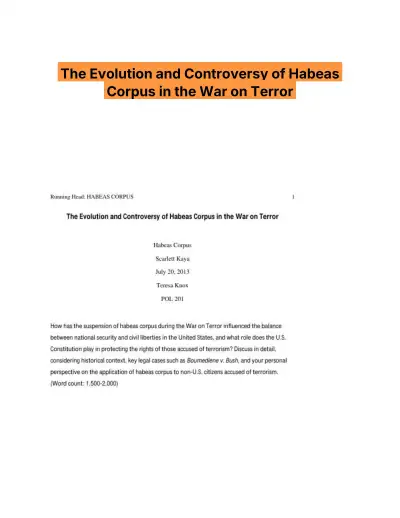 Solved Assignments
The Evolution and Controversy of Habeas Corpus in the War on Terror
Civil Law
5 pagesMay 2025 Practice Problems
Ensuring Fairness In Jury Selection: The Case Against Racial Discrimination
Civil Law
3 pagesMay 2025
Study this document with CramX
Once it is in your library, every tool can work from it.