

Test Bank for Applied Pathophysiology: A Conceptual Approach, 4th North American Edition (Chapters 1-18)
- Medicine
- 104 pages
- Shared February 2025
- 89 downloads
Get hands-on practice with Test Bank for Applied Pathophysiology: A Conceptual Approach, 4th North American Edition (Chapters 1-18)—your go-to source for mastering exam questions.
Preview 31 of 104 pages
See the first 31 pages exactly as they appear in the document.
Page 1 Read page 1 as text
FULL TEST BANK Applied Pathophysiology A Conceptual Approach 4th Edition by Judi Nath, Carie Braun Complete Test Bank, All Chapters are included
Page 2 Page 3 Read page 3 as text
Applied Pathophysiology A Conceptual Approach to the Mechanisms of Disease 4th Edition Braun Test Bank Chapter 1Introduction to Pathophysiology 1. The nucleus , which is essential for function and survival of the cell. A) is the site of protein synthesis B) contains the genetic code C) transforms cellular energy D) initiates aerobic metabolism 2. Although energy is not made in mitochondria, they are known as the power plants of the cell because they: A) contain RNA for protein synthesis. B) utilize glycolysis for oxidative energy. C) extract energy from organic compounds. D) store calcium bonds for muscle contractions. 3. Although the basic structure of the cell plasma membrane is formed by a lipid bilayer, most of the specific membrane functions are carried out by: A) bound and transmembrane proteins. B) complex, long carbohydrate chains. C) surface antigens and hormone receptors. D) a gating system of selective ion channels. 4. To effectively relay signals, cell - to - cell communication utilizes chemical messenger systems that: A) displace surface receptor proteins. B) accumulate within cell gap junctions. C) bind to contractile microfilaments. D) release secretions into extracellular fluid. 5. Aerobic metabolism, also known as oxidative metabolism, provides energy by:
Page 4 Read page 4 as text
A) removing the phosphate bonds from ATP. B) combining hydrogen and oxygen to form water. C) activating pyruvate stored in the cytoplasm. D) breaking down glucose to form lactic acid. 6. Exocytosis, the reverse of endocytosis, is important in into the extracellular fluid. A) Engulfing and ingesting fluid and proteins for transport B) Killing, degrading, and dissolving harmful microorganisms C) Removing cellular debris and releasing synthesized substances D) Destruction of particles by lysosomal enzymes for secretion 7. The process responsible for generating and conducting membrane potentials is: A) diffusion of current - carrying ions. B) millivoltage of electrical potential. C) polarization of charged particles. D) ion channel neurotransmission. 8. Epithelial tissues are classified according to the shape of the cells and the number of layers. Which of the following is a correctly matched description and type of epithelial tissue? A) Simple epithelium: cells in contact with intercellular matrix; some do not extend to surface B) Stratified epithelium: single layer of cells; all cells rest on basement membrane C) Glandular epithelium: arise from surface epithelia and underlying connective tissue D) Pseudostratified epithelium: multiple layers of cells; deepest layer rests on basement membrane 9. Connective tissue contains fibroblasts that are responsible for: A) providing a fibrous framework for capillaries. B) synthesis of collagen, elastin, and reticular fibers.
Page 5 Read page 5 as text
C) forming tendons and the fascia that covers muscles. D) filling spaces between tissues to keep organs in place. 10. Although all muscle tissue cells have some similarities, smooth muscle (also known as involuntary muscle) differs by: A) having dense bodies attached to actin filaments. B) containing sarcomeres between Z lines and M bands. C) having rapid contractions and abundant cross - striations. D) contracting in response to increased intracellular calcium. 11. Which of the following aspects of the function of the nucleus is performed by ribosomal RNA (rRNA)? A) Copying and carrying DNA instructions for protein synthesis B) Carrying amino acids to the site of protein synthesis C) Providing the site where protein synthesis occurs D) Regulating and controlling protein synthesis 12. Breakdown and removal of foreign substances and worn - out cell parts are performed by which of the following organelles? A) Lysosomes B) Golgi apparatus C) Ribosomes D) Endoplasmic reticulum (ER) 13. Impairment in the function of peroxisomes would result in: A) inadequate sites for protein synthesis. B) an inability to transport cellular products across the cell membrane. C) insufficient energy production within a cell. D) accumulation of free radicals in the cytoplasm. 14. After several months of trying to conceive, a couple is undergoing fertility testing. Semen analysis indicates that the mans sperm have decreased motility, a finding that is thought to underlie the couples inability to become pregnant.
Page 6 Read page 6 as text
Which of the following cellular components may be defective within the mans sperm? A) Ribosomes B) Microtubules C) Mitochondria D) Microfilaments 15. Which of the following statements is true of glycolysis? A) Glycolysis requires oxygen. B) Glycolysis occurs in cells without mitochondria. C) Glycolysis provides the majority of the bodys energy needs. D) Glycolysis produces energy, water, and carbon dioxide. 16. Which of the following membrane transport mechanisms requires the greatest amount of energy? A) Facilitated diffusion B) Passive transport C) Vesicular transport D) Simple diffusion 17. A male patient with a diagnosis of type 1 diabetes mellitus is experiencing hyperglycemia because he lacks sufficient insulin to increase the availability of glucose transporters in his cell membranes. Consequently, his cells lack intracellular glucose and it accumulates in his blood. Which of the following processes would best allow glucose to cross his cell membranes? A) Facilitated diffusion B) Simple diffusion C) Secondary active transport D) Endocytosis 18. Which of the following statements is true of skeletal muscle cells? A) Skeletal muscle cells each have an apical, lateral, and basal surface.
Page 7 Read page 7 as text
B) They are closely apposed and are joined by cell - to - cell adhesion molecules. C) Thei r basal surface is attached to a basement membrane. D) Skeletal muscle is multinucleated, lacking true cell boundaries. 19. Which of the following body tissues exhibits the highest rate of turnover and renewal? A) The squamous epithelial cells of the skin B) The connective tissue supporting blood vessels C) The skeletal muscle that facilitates movement D) The nervous tissue that constitutes the central nervous system 20. A patient with a pathophysiologic condition that affects the desmosomes is most likely to exhibit: A) impaired contraction of skeletal and smooth muscle. B) weakness of the collagen and elastin fibers in the extracellular space. C) impaired communication between neurons and effector organs. D) separation at the junctions between epithelial cells. Answer Key 1. B 2. C 3. A 4. D 5. B 6. C 7. A 8. C 9. B 10. A
Page 8 Read page 8 as text
11. C 12. A 13. D 14. B 15. B 16. C 17. A 18. D 19. A 20. D Chapter 2 Altered Cells and Tissues 1. Ischemia and other toxic injuries increase the accumulation of intracellular calcium as a result of: A) release of stored calcium from the mitochondria. B) improved intracellular volume regulation. C) decreased influx across the cell membrane. D) attraction of calcium to fatty infiltrates. 2. The patient is found to have liver disease, resulting in the removal of a lobe of his liver. Adaptation to the reduced size of the liver leads to of the remaining liver cells. A) metaplasia B) organ atrophy C) compensatory hyperplasia D) physiologic hypertrophy 3. A person eating peanuts starts choking and collapses. His airway obstruction is partially cleared, but he remains hypoxic until he reaches the hospital. Th e prolonged cell hypoxia caused a cerebral infarction and resulting in the brain.
Page 9 Read page 9 as text
A) caspase activation B) coagulation necrosis C) rapid phagocytosis D) protein p53 deficiency 4. Bacteria and viruses cause cell damage by , which is unique from the intracellular damage caused by other injurious agents. A) disrupting the sodium/potassium ATPase pump B) interrupting oxidative metabolism processes C) replicating and producing continued injury D) decreasing protein synthesis and function 5. The patient has a prolonged interruption in arterial blood flow to his left kidney, causing hypoxic cell injury and the release of free radicals. Free radicals damage cells by: A) destroying phospholipids in the cell membrane. B) altering the immune response of the cell. C) disrupting calcium storage in the cell. D) inactivation of enzymes and mitochondria. 6. Injured cells have impaired flow of substances through the cell membrane as a result of: A) increased fat load. B) altered permeability. C) altered glucose utilization. D) increased surface receptors. 7. Reversible adaptive intracellular responses are initiated by: A) stimulus overload. B) genetic mutations. C) chemical messengers. D) mitochondrial DNA.
Page 10 Read page 10 as text
8. Injured cells become very swollen as a result of: A) increased cell protein synthesis. B) altered cell volume regulation. C) passive entry of potassium into the cell. D) bleb formation in the plasma membrane. 9. A diabetic patient has impaired sensation, circulation, and oxygenation of his feet. He steps on a piece of glass, the wound does not heal, and the area tissue becomes necrotic. The necrotic cell death is characterized by: A) rapid apoptosis. B) cellular rupture. C) shrinkage and collapse. D) chronic inflammation. 10. A 99 - year - old woman has experienced the decline of cell function associated with age. A group of theories of cellular aging focus on programmed: A) changes with genetic influences. B) elimination of cell receptor sites. C) insufficient telomerase enzyme. D) DNA mutation or faulty repair. 11. An 89 - year - old female patient has experienced significant decreases in her mobility and stamina during a 3 - week hospital stay for the treatment of a femoral head fracture. Which of the following phenomena most likely accounts for the patients decrease in muscle function that underlies her reduced mobility? A) Impaired muscle cell metabolism resulting from metaplasia B) Dysplasia as a consequence of inflammation during bone remodeling C) Disuse atrophy of muscle cells during a prolonged period of immobility D) Ischemic atrophy resulting from vascular changes while on bedrest 12. A 20 - year - old college student has presented to her campus medical clinic for a scheduled Papanicolaou (Pap) smear. The clinician who will interpret the smear will examine cell samples for evidence of:
Page 11 Read page 11 as text
A) changes in cell shape, size, and organization. B) the presence of unexpected cell types. C) ischemic changes in cell samples. D) abnormally high numbers of cells in a specified field. 13. Which of the following pathophysiologic processes is most likely to result in metastatic calcification? A) Benign prostatic hyperplasia B) Liver cirrhosis C) Impaired glycogen metabolism D) Hyperparathyroidism 14. Despite the low levels of radiation used in contemporary radiologic imaging, a radiology technician is aware of the need to minimize her exposure to ionizing radiation. What is the primary rational e for the technicians precautions? A) Radiation stimulates pathologic cell hypertrophy and hyperplasia. B) Radiation results in the accumulation of endogenous waste products in the cytoplasm. C) Radiation interferes with DNA synthesis and mitosis. D) Radiation decreases the action potential of rapidly dividing cells. 15. The parents of a 4 - year - old girl have sought care because their daughter has admitted to chewing and swallowing imported toy figurines that have been determined to be made of lead. Which of the following blood tests should the care team prioritize? A) White blood cell levels with differential B) Red blood cell levels and morphology C) Urea and creatinine levels D) Liver function panel 16. A 70 - year - old male patient has been admitted to a hospital for the treatme nt of a recent hemorrhagic stroke that has left him with numerous motor and sensory deficits. These deficits are most likely the result of which of the following mechanisms of cell injury?
Page 12 Read page 12 as text
A) Free radical injury B) Hypoxia and ATP depletion C) Interference with DNA synthesis D) Impaired calcium homeostasis 17. Which of the following processes associated with cellular injury is most likely to be reversible? A) Cell damage resulting from accumulation of fat in the cytoplasm B) Cellular changes as a result of ionizing radiation C) Cell damage from accumulation of free radicals D) Apoptosis 18. The extrinsic pathway of apoptosis can be initiated by: A) damage to cellular DNA. B) decreased ATP levels. C) activation of the p53 protein. D) activation of death receptors on the cell surface. 19. A patient with severe peripheral vascular disease has developed signs of dry gangrene on the great toe of one foot. Which of the following pathophysiologic processes most likely contributed to this diagnosis? A) Inappropriate activation of apoptosis B) Bacterial invasion C) Impaired arterial blood supply D) Metaplastic cellular changes 20. Which of the following facts underlies the concept of replicative senescence? A) Genes controlling longevity are present or absent in varying quantities among different individuals. B) Telomeres become progressively shorter in successive generations of a cell. C) The damaging influence of free radicals increases exponentially in later generations of a cell.
Page 13 Read page 13 as text
D) Aging produces mutations in DNA and deficits in DNA repair. Answer Key 1. A 2. C 3. B 4. C 5. A 6. B 7. C 8. B 9. B 10. A 11. C 12. A 13. D 14. C 15. B 16. B 17. A 18. D 19. C 20. B Chapter 3 Inflammation and Tissue Repair 1. The characteristic, localized cardinal signs of acute inflammation include: A) fever.
Page 14 Read page 14 as text
B) fatigue. C) redness. D) granuloma. 2. The vascular, hemodynamic stage of acute inflammation is initiated by momentary vasoconstriction followed by vasodilation that causes localized: A) bleeding. B) congestion. C) pale skin. D) coolness. 3. The cellular stage of acute inflammation is marked by the movement of leukocytes into the area. Which of the following cells arrives early in great numbers? A) Basophils B) Lymphocytes C) Neutrophils D) Platelets 4. The phagocytosis process involves three distinct steps. What is the initial step in the process? A) Engulfment B) Intracellular killing C) Antigen margination D) Recognition and adherence 5. Which of the following mediators of inflammation causes increased capillary permeability and pain? A) Serotonin B) Histamine C) Bradykinin D) Nitric oxide
Page 15 Read page 15 as text
6. Inflammatory exudates are a combination of several types. Which of the following exudates is composed of enmeshed necrotic cells? A) Serous B) Fibrinous C) Suppurative D) Membranous 7. The acute - phase systemic response usually begins within hours of the onset of inflammation and includes: A) fever and lethargy. B) decreased C - reactive protein. C) positive nitrogen balance. D) low erythrocyte sedimentation rate. 8. In contrast to acute inflammation, chronic inflammation is characterized by which of the following phenomena? A) Profuse fibrinous exudation B) A shift to the left of granulocytes C) Metabolic and respiratory alkalosis D) Lymphocytosis and activated macrophages 9. Exogenous pyrogens (interleukin - 1) and the presence of bacteria in the blood lead to the release of endogenous pyrogens that: A) stabilize thermal control in the brain. B) produce leukocytosis and anorexia. C) block viral replication in cells. D) inhibit prostaglandin release. 10. An older adult patient has just sheared the skin on her elbow while attempted to boost herself up in bed, an event that has precipitated acute inflammation in the region surrounding the wound. Which of the following ev ents will occur during the vascular stage of the patients inflammation? A) Outpouring of exudate into interstitial spaces
Page 16 Read page 16 as text
B) Chemotaxis C) Accumulation of leukocytes along the epithelium D) Phagocytosis of cellular debris 11. Which of the following individuals most likely has the highest risk of experiencing chronic inflammation? A) A patient who has recently been diagnosed with type 2 diabetes B) A patient who is a carrier of an antibiotic - resistant organism C) A patient who is taking oral antibiotics for an upper respiratory infection D) A patient who is morbidly obese and who has a sedentary lifestyle 12. Which of the following core body temperatures is within normal range? A) 35.9C (96.6F) B) 38.0C (100.4F) C) 35.5C (95.9F) D) 37.3C (99.1F) 13. A postsurgical patient who is recovering in the postanesthetic recovery unit states that she is freezing cold. Which of the following measures is likely to be initiated in the patients hypothalamus in an effort to reduce heat loss? A) Opening of arteriovenous (AV) shunts B) Reduced exhalation of warmed air C) Contraction of pilomotor muscles D) Decreased urine production 14. An elderly patient is dressed only in a hospital gown and complains of a draft in her room. Consequently, she has requested a warm blanket while she sits in her wheelchair. Which of the following mechanisms of heat loss is most likely the primary cause of her request? A) Evaporation and conduction B) Radiation and convection C) Conduction and convection D) Convection and evaporation
Page 17 Read page 17 as text
15. Which of the following pathophysiologic processes are capable of inducing the production of pyrogens? Select all that apply. A) Acute inflammation B) Obesity C) Myocardial infarction D) Malignancy E) Renal failure 16. Which of the following patients is most likely to be susceptible to developing a neurogenic fever? A) A patient who has stage II Alzheimer disease B) A patient who has sustained a head injury in a bicycle crash C) A patient who has become delirious after the administration of a benzodiazepine D) A patient who has begun taking a selective serotonin - reuptake inhibitor (SSRI) for the treatment of depression 17. Patients are commonly administered antipyretics when their oral temperature exceeds 37.5C (99.5F). Which of the following statements related to the rationale for this action is most accura te? A) Temperatures in excess of 37.5C (99.5F) can result in seizure activity. B) Lower temperatures inhibit the protein synthesis of bacteria. C) There is little empirical evidence for this treatment modality. D) Most common antipyretics have been shown to have little effect on core temperature. 18. A patient has sought care because of recent malaise and high fever. Upon assessment, the patient states that his current fever began two days earlier, although he states that for the last 2 weeks he is in a cycle of high fever for a couple of days followed by a day or two of normal temperature. Which of the following fever patterns is this patient experiencing? A) Recurrent fever B) Remittent fever
Page 18 Read page 18 as text
C) Sustained fever D) Intermittent fever 19. A febrile, 3 - week - old infant has been brought to the emergency department by his parents and is currently undergoing a diagnostic workup to determine the cause of his fever. Which of the following statements best conveys the rationale for this careful examination? A) The immature hypothalamus is unable to perform normal thermoregulation. B) Infants are susceptible to serious infections because of their decreased immune function. C) Commonly used antipyretics often have no effect on the core temperature of infants. D) Fever in neonates is often evidence of a congenital disorder rather than an infection. 20. An 84 - year - old patients blood cultures have come back positive, despite the fact that his oral temperature has remained within normal range. Which of the following phenomena underlies the alterations in fever response that occur in the elderly? A) Disturbance in the functioning of the thermoregulatory center B) Increased heat loss by evaporation C) The presence of comorbidities that are associated with lowered core temperature D) Persistent closure of arteriovenous shunts Answer Key 1. C 2. B 3. C 4. D 5. C
Page 19 Read page 19 as text
6. D 7. A 8. D 9. B 10. A 11. D 12. D 13. C 14. B 15. A, C, D 16. B 17. C 18. D 19. B 20. A Chapter 4 Altered Immunity 1. The mediators involved in type I hypersensitivity allergic responses are released from: A) mast cells. B) plasma cells. C) monocytes. D) arachidonic acid. 2. A genetically determined hypersensitivity to common environmental allergens causes reactions, such as: A) atopic; urticaria. B) autoimmune; diarrhea. C) IgM - mediated; infections.
Page 20 Read page 20 as text
D) delayed; poison ivy rash: 3. Mismatched blood transfusion reaction with hemolysis of blood cells is an example of type II, mediated hypersensitivity reaction. A) T - cell B) antibody C) leukotriene D) complement 4. Type III hypersensitivity immune responses can be harmful when immune complex deposits in tissue activate that can directly damage area tissues. A) inflammation B) autoantibodies C) cytotoxic cells D) immunoglobulins 5. The mechanism by which humans recognize self - cells from non - self (antigens) - cells is . A) autoimmunity B) self - tolerance C) non - self anergy D) immunocompatibility 6. Organ rejection is a complication of organ transplantation caused by recipient immune cells: A) destroying the host T cells. B) attack on the donor cells. C) combining with grafts HLA. D) being recognized as foreign. 7. The leading cause of death for people with HIV is opportunistic . A) leukemia
Page 21 Read page 21 as text
B) tuberculosis C) pneumonia D) toxoplasmosis 8. Wasting syndrome, an AIDS - defining illness, is characterized by involuntary weight loss of at least 10% of baseline body weight in the presence of: A) diarrhea. B) hypermetabolism. C) weakness and fever. D) glucose intolerance. 9. The window period of HIV infection refers to the period of time between infection and: A) transmission. B) seroconversion. C) initial symptoms. D) antibody screening. 10. HIV - positive persons that display manifestations of laboratory category 3 or clinical category C are considered to have: A) zero viral load. B) seroconversion. C) complete remission. D) AIDS - defining illnesses. 11. Contact with poison ivy has resulted in intense pruritus, erythema, and weeping on a patients forearm. Which of the following processes resulted in the patien ts signs and symptoms? A) IgE - mediated mast cell degranulation B) Formation of antigen - antibody complexes C) Cytokine release by sensitized T cells D) Formation of antibodies against cell surface antigens
Page 22 Read page 22 as text
12. A patient with a long history of hay fever has recently begun a series of immunotherapy (allergy shots). How will this treatment potentially achieve a therapeutic effect? A) By blocking cytokine release from sensitized mast cells B) By preventing mast cells from becoming sensitized C) By causing T cells to be sequestered in the thymus for longer periods D) By stimulating production of IgG to combine with antigens 13. A patient with a diagnosis of cirrhosis has experienced an acute rejection of a donor liver. Which of the following cells is central to the rejection of the patients transplanted organ? A) Natural killer cells B) Mast cells C) T cells D) Neutrophils 14. A patient with a diagnosis of aplastic anemia has undergone allogenic bone marrow transplantation. Which of the following signs and symptoms would most clearly suggest the existence of graft - versus - host disease (GVHD)? A) Shortness of breath, audible crackles, and decreasing PaO 2 B) Presence of a pruritic rash that has begun to slough off C) Development of metabolic acidosis D) Diaphoresis, fever, and anxiety 15. A patient has developed pericarditis after developing acute glomerulonephritis, a development that may be attributable to the presence of similar epitopes on group A, b - hemolytic streptococci and the antigens in the patients heart tissue. Which of the following has most likely accounted for this patients autoimmune response? A) Breakdown of T - cell anergy B) Release of sequestered antigens C) Superantigens D) Molecular mimicry
Page 23 Read page 23 as text
16. A 70 - year - old female patient has had her mobility and independence significantly reduced by rheumatoid arthr itis. Which of the following processes likely contributed to the development of her health problem? A) Delayed - type hypersensitivity (DTH) reaction B) Proliferation of cytotoxic T cells C) Failure of normal self - tolerance D) Deletion of autoreactive B cells 17. Which of the following would constitute a normal assessment finding in a neonate? A) Minimal or absent levels of IgA and IgM B) Absence of plasma cells in the lymph nodes and spleen C) Undetectable levels of all immunoglobulins D) Absence of mature B cells with normal T - cell levels and function 18. A patient was diagnosed as HIV positive several years ago. Which of the following blood tests is most clinically useful for determining the stage and severity of her disease? A) Plasma levels B) CD4 + cell counts C) Viral load D) White blood cell count with differential 19. A patient has been admitted to the hospital for the treatment of HIV infection, which has recently progressed to overt AIDS. Which of the following nursing actions should the nurse prioritize when providing care for this patient? A) Fr equent neurologic vital signs and thorough skin care B) Hemodynamic monitoring and physical therapy C) Careful monitoring of fluid balance and neurologic status D) Astute infection control and respiratory assessments 20. Shortly after being diagnosed with HIV, a patient has begun highly active antiretroviral therapy (HAART). What is the primary goal of the patients drug regimen?
Page 24 Read page 24 as text
A) To limit the latent period of HIV B) To slow the progression of the disease C) To minimize opportunities for transmission D) To prevent seroconversion Answer Key 1. A 2. A 3. B 4. A 5. B 6. B 7. B 8. A 9. B 10. D 11. C 12. D 13. C 14. B 15. D 16. C 17. A 18. B 19. D 20. B
Page 25 Read page 25 as text
Chapter 5 Infection 1. Although growth rate is variable among types of bacteria, the growth of bacteria is dependent on: A) biofilm communication. B) availability of nutrients. C) an intact protein capsid. D) individual cell motility. 2. Treponema pallidum , the cause of syphilis, is a spirochete bacterium that is spread from human to human by: A) tick or lice vector bites. B) direct physical contact. C) exposure to infected urine. D) inhaling airborne particles. 3. Chlamydiaceae , a rather common sexually transmitted infectious organism, has characteristics of both viruses and bacteria. The infectious form of this organisms life cycle is until it enters the host cell. A) an elementary body B) adhered to cholesterol C) propelled by filaments D) encapsulated hyphae 4. Because dermatophytes are capable of growing , the infection is mainly found on cutaneous surfaces of the body. A) a powdery colony B) in moist skin folds C) on cooler tissue D) branching filaments 5. Although both eukaryotes and prokaryotes are capable of causing infectious diseases in humans, eukaryotes are unique because they have a distinct:
Page 26 Read page 26 as text
A) organized nucleus. B) circular plasmid DNA. C) cytoplasmic membrane. D) variation of shape and size. 6. Whatever the mechanism of entry, the human - to - human transmission of infectious agents is directly related to the: A) source of contact. B) site of infection. C) number of pathogens absorbed. D) virulence factors. 7. The course of any infectious disease progresses through several distinct stages after the pathogen enters the host. Although the duration may vary, the hallmark of the prodromal stage is: A) tissue inflammation and damage. B) initial appearance of symptoms. C) progressive pathogen elimination. D) containment of infectious pathogens. 8. Although bacterial toxins vary in their activity and effects on host cells, a small amount of gram - negative bacteria endotoxin: A) is released during cell growth. B) inactivates key cellular functions. C) uses protein to activate enzymes. D) in the cell wall activates inflammation. 9. Serology testing includes the measurement of which of the following? A) Antibody titers B) Culture growth C) Direct antigens D) DNA sequencing
Page 27 Read page 27 as text
10. Prions cause transmissible neurodegenerative diseases and are characterized by: A) a lack of reproductive capacity. B) hypermetabolism. C) enzyme production. D) chronic inflammation. 11. Which of the following individuals is experiencing a health problem that is the result of a parasite? A) A college student who contracted Chlamydia trachomatis during an unprotected sexual encounter B) A man who acquired malaria while on a tropical vacation C) A hospital patient who has developed postoperative pneumonia D) A woman who developed hepatitis A from eating at an unhygienic restaurant 12. Which of the following traits is characteristic of saprophytes? A) They derive energy from decaying organic matter. B) They are beneficial components of human microflora. C) They have RNA or DNA, but never both. D) They are capable of spore production. 13. A hospital patient was swabbed on admission for antibiotic - resistant organisms and has just been informed that methicillin - resistant Staphylococcus aureus (MRSA) is present in his groin. The patient has a normal core temperature and white blood cell count. This patient is experiencing which of the following? A) Infection B) Proliferation C) Colonization D) Inflammation 14. A 33 - year - old patient who is a long - term intravenous user of heroin has been recently diagnosed with hepatitis C. Which of the following portals of entry most likely led to the patients infection?
Page 28 Read page 28 as text
A) Direct contact B) Vertical transmission C) Ingestion D) Penetration 15. A 9 - month - old infant has been diagnosed with botulism after he was fed honey. The childs mother was prompted to seek care because of this childs sudden onset of neuromuscular deficits, which were later attributed to the release of substances by Clostridium botulinum bacteria. Which virulence factor contributed to this childs illness? A) Endotoxins B) Adhesion factors C) Exotoxins D) Evasive factors 16. A patient with a long - standing diagnosis of Crohn disease has developed a perianal abscess. Which of the following treatments will this patient most likely require? A) Antiviral therapy B) Antibiotic therapy C) Surgical draining D) Pressure dressing 17. A patients primary care provider has ordered direct antigen detection in the care of a patient with a serious symptomatology of unknown origin. Which of the following processes will be conducted? A) Detecting DNA sequences that are unique to the suspected pathogen B) Growth of biofilms on various media in the laboratory setting C) Quantification of IgG and IgM antibodies in the patients blood D) Introduction of monoclonal antibodies to a blood sample from the patient 18. A patient has begun taking acyclovir, an antiviral medication, to control herpes simplex outbreaks. What is this drugs mechanism of action? A) Inhibition of viral adhesion to cells
Page 29 Read page 29 as text
B) Elimination of exotoxin production C) Antagonism of somatic cell binding sites D) Interference with viral replication processes 19. International travel has contributed to increased prevalence and incidence of nonindigenous diseases by increasing which of the following? A) Portals of entry B) Sources of infection C) Virulence D) Disease course 20. A public health nurse should recognize that sexually transmitted infections (STIs) are typically spread by which of the following mechanisms? A) Penetration B) Vertical transmission C) Direct contact D) Ingestion Answer Key 1. B 2. B 3. A 4. C 5. A 6. C 7. B 8. D 9. A 10. A
Page 30 Read page 30 as text
11. B 12. A 13. C 14. D 15. C 16. C 17. D 18. D 19. B 20. C Chapter 6 Genetic and Developmental Disorders 1. Genetic disorders that involve a single gene trait are characterized by: A) multifactorial gene mutations. B) chromosome rearrangements. C) Mendelian patterns of transmission. D) abnormal numbers of chromosomes. 2. In addition to having a 50% chance of inheriting an autosomal dominant disorder from an affected parent, s uch a disorder is characterized by: A) aneuploidy of genes in all cells. B) deficiencies in enzyme synthesis. C) affected X transmission to daughters. D) varied gene penetration and expression. 3. Autosomal recessive disorders are characterized by: A) age of onset later in life. B) abnormal protein structure. C) inborn errors of metabolism.
Page 31 Read page 31 as text
D) one in two risk of a carrier child. 4. When a male child inherits an X - linked disorder from his heterozygous carrier mother, A) his sons will be carriers. B) his father has the disorder. C) some of his sisters will be carriers. D) his daughters will have the disorder. 5. Multifactorial inheritance disorders, such as cleft palate, are often caused by during fetal development. A) multiple gene mutations B) dominant gene expression C) X - linked crossover problem D) polyploidy of chromosomes 6. The newborn has the distinctive physical features of trisomy 21, Down syndrome, which includes: A) upward slanting of eyes. B) large, protruding ears. C) thin lips and small tongue. D) long fingers with extra creases. 7. Aneuploidy of the X chromosome can result in a monosomy or polysomy disorder. The manifestations of monosomy X, Turner syndrome, differ from polysomy X disorders in numerous ways that include: A) short - stature female individual.. B) mental retardation. C) enlarged breasts. D) early onset puberty. 8. A teratogenic environmental agent can cause birth defects when: A) inherited as a recessive trait.
73 more pages in the full document
Unlock it once and it stays in your library, ready to chat with or turn into flashcards.
Unlock the full documentMore Medicine study materials
See all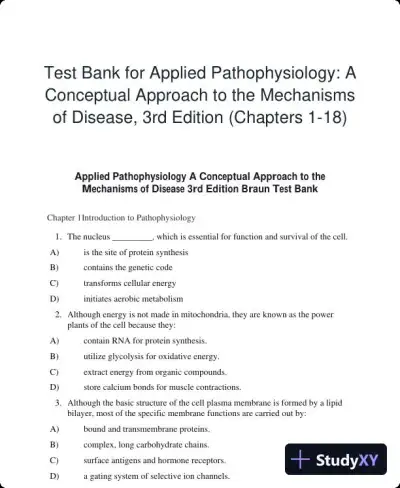 Exam Guides
Test Bank for Applied Pathophysiology: A Conceptual Approach to the Mechanisms of Disease, 3rd Edition (Chapters 1-18)
Medicine
103 pages116downloadsFeb 2025 Class Notes
Lecture Notes for Developing Management Skills, 10th Edition
Medicine
446 pages55downloadsFeb 2025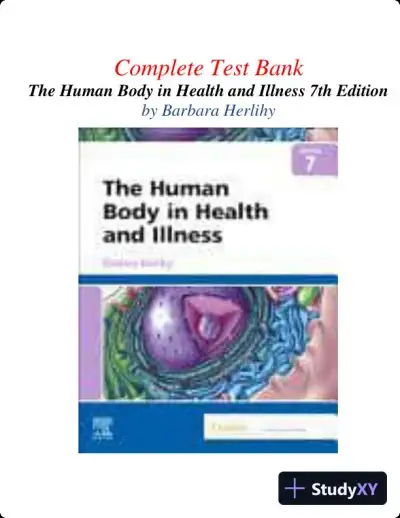 Exam Guides
Test Bank for The Human Body in Health and Illness, 7th Edition (Chapters 1-27)
Medicine
370 pages162downloadsFeb 2025 Textbook Guides
Solution Manual for Pearson's Comprehensive Medical Coding, 2nd Edition
Medicine
462 pages153downloadsFeb 2025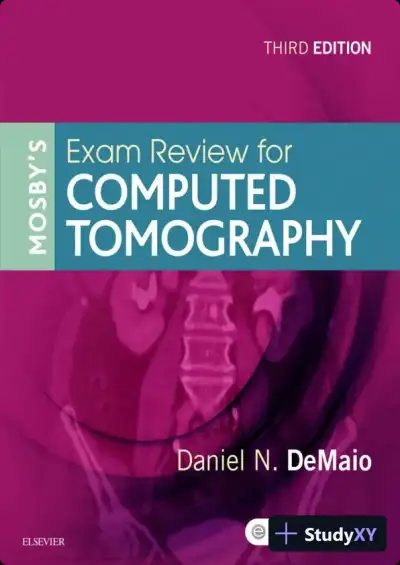 Certification Guides
Mosbys Exam Review for Computed Tomography 3rd Edition (2019)
Medicine
624 pages150downloadsFeb 2025 Exam Guides
Test Bank for CURRENT Medical Diagnosis and Treatment 2020, 59th Edition
Medicine
461 pages149downloadsFeb 2025 Exam Guides
Test Bank for Henke's Med-Math: Dosage Calculation, Preparation, and Administration, 9th Edition (Chapters 1-10)
Medicine
58 pages139downloadsFeb 2025 Exam Guides
Pathophysiology of Disease: An Introduction to Clinical Medicine 8th Edition Test Bank
Medicine
284 pages138downloadsFeb 2025
Study this document with CramX
Once it is in your library, every tool can work from it.